
How to change the drain pump on a Whirlpool washing machine?
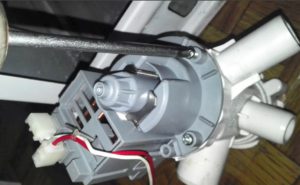 Running your washing machine for several cycles in a row without a break can damage the drainage system. This is especially true if the machine is a long-standing purchase and has been running for a long time without replacing components. In this case, an error code will suddenly appear on the display, indicating a serious problem with the drainage system. Replacing your Whirlpool washing machine's pump can help resolve the issue. We'll explain when this is necessary and what to do in our step-by-step instructions.
Is the pump definitely broken?
The pump isn't always to blame for a lack of proper drainage. Besides the pump, other components of the drainage system, from the waste filter to the central sewer system, could also be at fault. Sometimes the problem is a simple blockage in the drain hose, but sometimes the expensive control board breaks down. There is only one way out: to check all key drainage components in sequence.
The first thing to check is the display. Many modern machines, thanks to their self-diagnostic systems, can automatically determine the nature and location of a malfunction, displaying an error code on the screen. In this case, simply open the manufacturer's manual and decipher the displayed code. Sometimes, a malfunction is indicated by a corresponding "emergency" indicator.
It is prohibited to operate a washing machine with a non-functioning drain – leaks and short circuits are possible!
If the self-diagnosis system fails, we move on to the second step – a comprehensive drainage diagnosis. This involves sequentially checking all drainage components. Several questions need to be answered.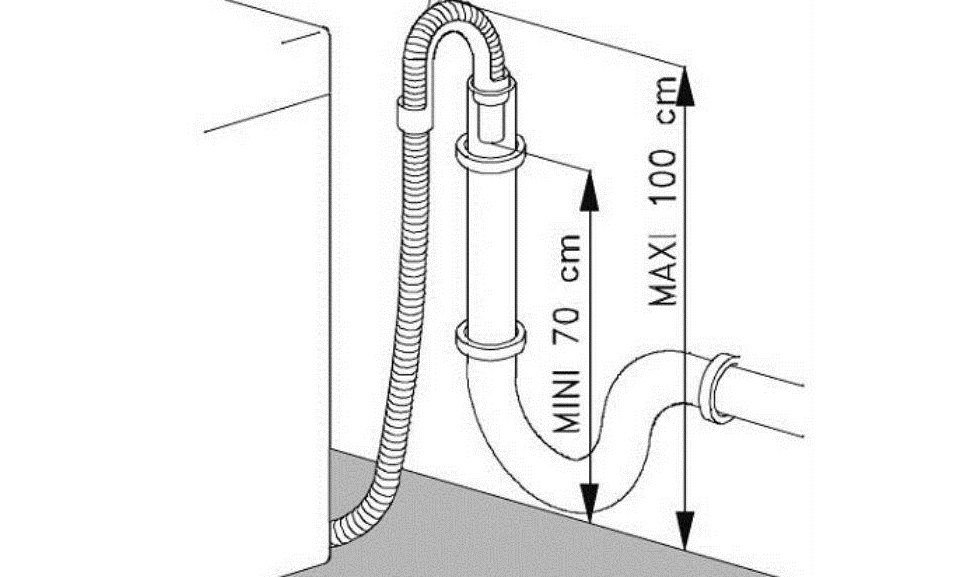
- Was the drain or spin cycle activated? It's possible it's not included in the program or has reset. You need to repeat the cycle and make sure no water is being pumped out.
- Is the sewer connection properly connected? The drain hose must not be pinched, compressed, or positioned below the tank level.
- Is the drain clogged? Disconnect the drain hose from the pipe or trap, then lower it into the bathtub or toilet. The problem may be an external blockage.
Once all the above questions have been answered positively, there's only one option left: the problem lies within the washing machine. Most often, the debris filter is clogged. To fix this, remove the access door, place a container under the black plug, and slowly unscrew the "dustbin." The removed attachment should be thoroughly cleaned of any dirt.
The filter seat must also be cleaned after removing it. Also, shine a flashlight into the "nest" and inspect the surrounding components for any stuck objects. It's a good idea to try spinning the impeller—if the blades rotate, everything is fine. A blocked or dislodged screw indicates that the drain pump needs to be replaced.
Instructions for replacing the part
Almost any Whirlpool user can handle replacing the pump. Firstly, the only tools required are a multimeter and screwdrivers. Secondly, accessing the pump doesn't require disassembling the machine—it can be done through the bottom of the unit. The main thing is to familiarize yourself with the washing machine's design and remember safety precautions. Here are the instructions:
- de-energize the Whirlpool by unplugging the power cord;
- turn off the water supply tap;
- empty the drum by draining the water through the waste filter;
- lay a rag or rug nearby;
- place the washing machine on the rug, but only on its left side;
It is not recommended to place the washing machine on its right side - water remaining in the powder dispenser may get onto the contacts of the control board!
- if there is a tray, unscrew the bottom, having first disconnected the existing wires;
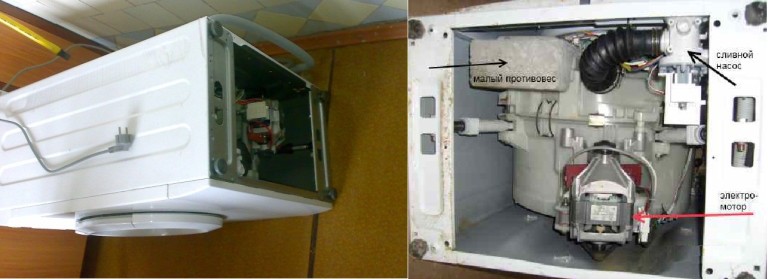
- find the pump located on the snail;
- loosen the fasteners holding the pump;
- disconnect the wiring connected to the device;
- Take hold of the pump body and, after loosening it, remove it from the socket.
Let's begin the inspectionFirst, we assess the condition of the snail, then examine the drain pipe and pump. The latter must be tested with a multimeter: when touched to the contacts, the tester should show a value of 20-30 ohms. If there are any deviations from the norm, the device must be replaced manually. The new pump must match the old one. Ideally, the faulty pump should be removed and brought to the store as a sample. You can also search for an equivalent Whirlpool unit using the serial number.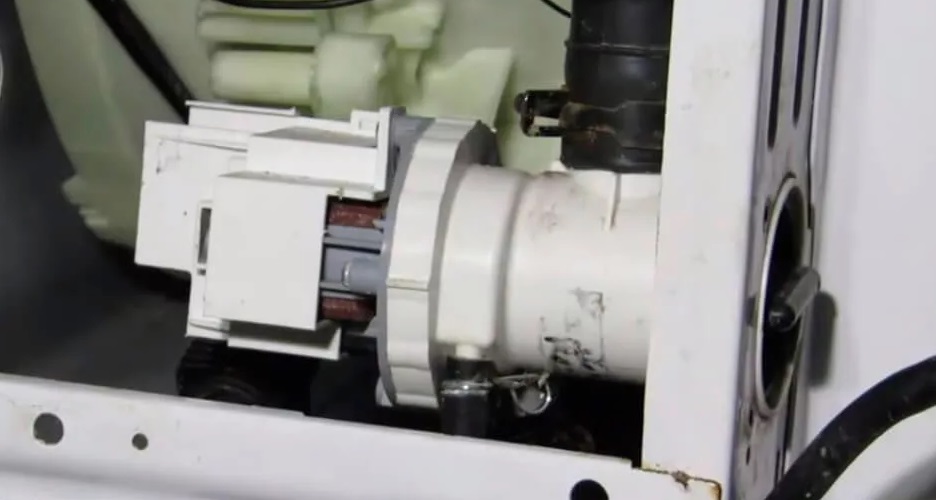
Before installing the new pump, clean the mounting area and the entire accessible drain system. Then, install the pump, secure it with fasteners, connect the wiring, and attach the hose. Then, return the Whirlpool to its upright position and run a test wash. If the water still doesn't drain, the problem lies with the control board. Self-repair is contraindicated here—call a service center first. Replacing the drain pump at home is easy. You just need to be willing, set aside the time, and familiarize yourself with the machine's design. If you're unsure, it's best to play it safe and call a repairman.
Interesting:
Readers' comments
Headings
Washing machine repair




For buyers




For users


Dishwasher




Add a comment