
How to replace the drain pump in an Ardo washing machine?
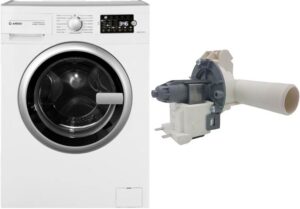 The drain system is considered one of the most vulnerable areas of a washing machine. Constantly running the machine, prolonged use, and a lack of preventative cleaning inevitably impact the drain system's functionality. Hoses and mechanisms become clogged, water pumping from the tank stops, and the system displays an error code. Replacing the pump in your Ardo washing machine can restore proper drain function. We'll explain when this is necessary and how to do it step by step.
Make sure the problem is in the pump.
If you notice problems with drainage, you do not need to change the drain pump immediately. Sometimes, water pumping problems are caused by completely different faults and malfunctions: from a clogged filter to a frozen control board. Every malfunction requires specific repairs, so the technician must first diagnose the problem. To do this, we conduct a sequential diagnostic of all drainage system components.
Do not run Ardo with a problematic drain - this can cause leaks and short circuits!
Sometimes, a quick glance at the display or the dashboard is enough. Modern Ardo circuit breakers are equipped with a self-diagnostic system, allowing them to automatically detect any malfunction. The board detects the malfunction, displays an error code, or triggers a corresponding indicator. The user simply needs to open the manufacturer's manual and decipher the "emergency" combination.
Without the self-diagnostic system triggering, you'll have to proceed manually—that is, check all possible faults sequentially. Let's start by answering some additional questions.
- Is the drain or spin function activated? Some programs don't offer these options or accidentally reset user settings. It's recommended to restart the cycle and check for drainage problems.
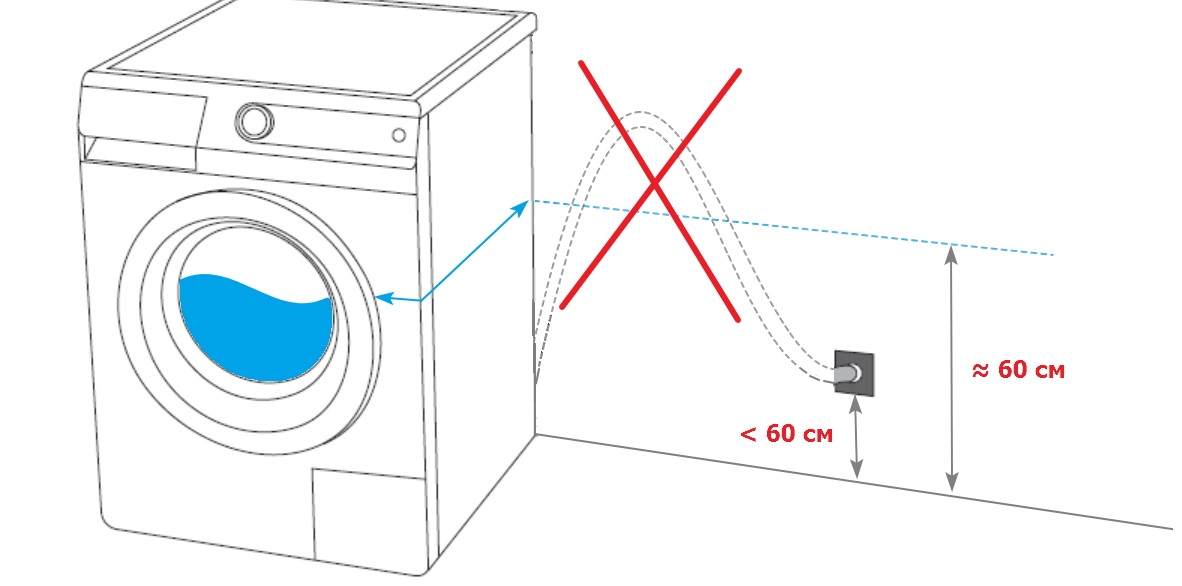
- Is the sewer system installed correctly? The drain hose should be raised above the tank and free to flow, without kinks or compression.
- Is there an external blockage? It's possible the sewer pipe or trap is clogged. The best way to check is to disconnect the drain hose, insert it into the toilet, and run the flush.
If the answer is "yes" to all these questions, then the problem is internal to the washing machine. However, it's not a given that the drain pump is the problem. More often, the culprit is the debris filter, which, without preventative cleaning, becomes heavily clogged and prevents water from flowing down the drain. It's easy to test this: remove the false panel of the service hatch, place a container under the filter, and slowly unscrew the nozzle from its "socket." Thoroughly rinse the removed "coil" to remove any dirt, and at the same time, clean the seat.
Next, we move on and inspect the drain pump and nearby pipes. It's possible there's a foreign object lodged nearby, or the impeller is clogged with hair or debris. It's a good idea to try to unscrew the impeller blades on the pump; if that's not possible, you'll have to remove the pump and inspect it.
Replacing the element yourself
Almost any Ardo owner can remove the pump, evaluate its performance, and replace it with a new one if necessary. The procedure requires minimal tools: a multimeter and a screwdriver. You don’t even need to disassemble the machine – just look inside through the bottom. The most important thing is to first familiarize yourself with the drainage system and remember safety precautions. To avoid making mistakes, follow these instructions:
- disconnect the machine from the power supply;
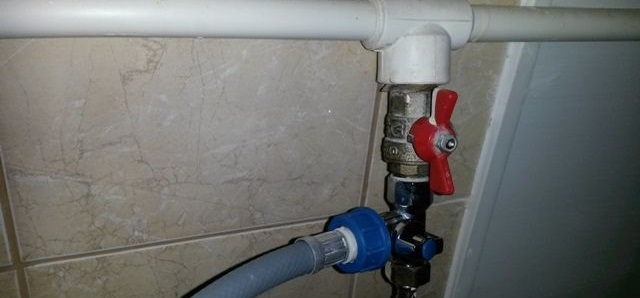
- shut off the water supply;
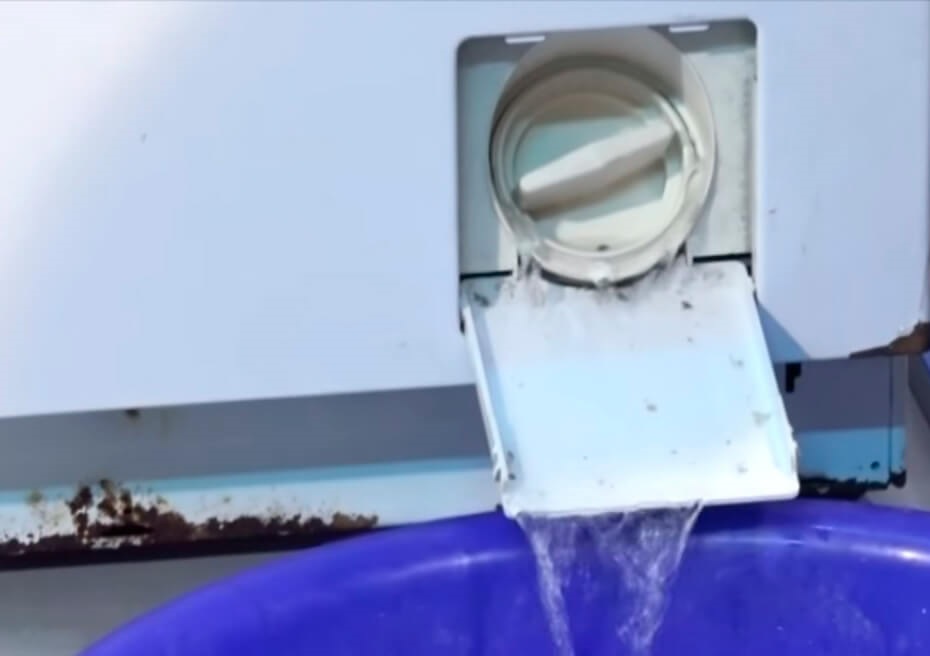
- use the emergency drain or empty the drum by unscrewing the waste filter;
- Place a rolled-up rug or other soft surface to the left of the washing machine;
- lower Ardo onto his left side;
Do not place the washing machine on its right side, as any water remaining in the dispenser will drip onto the control board!
- remove the pan, if present on the Ardo;
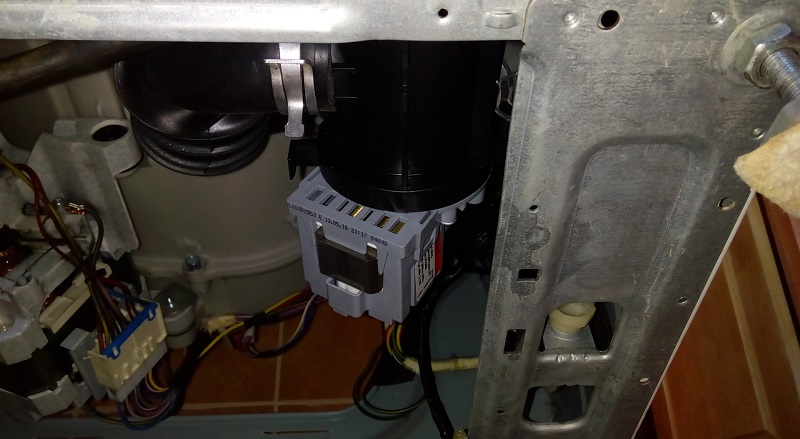
- find the drain pump fixed on the snail holder;
- unscrew the screws holding the pump;
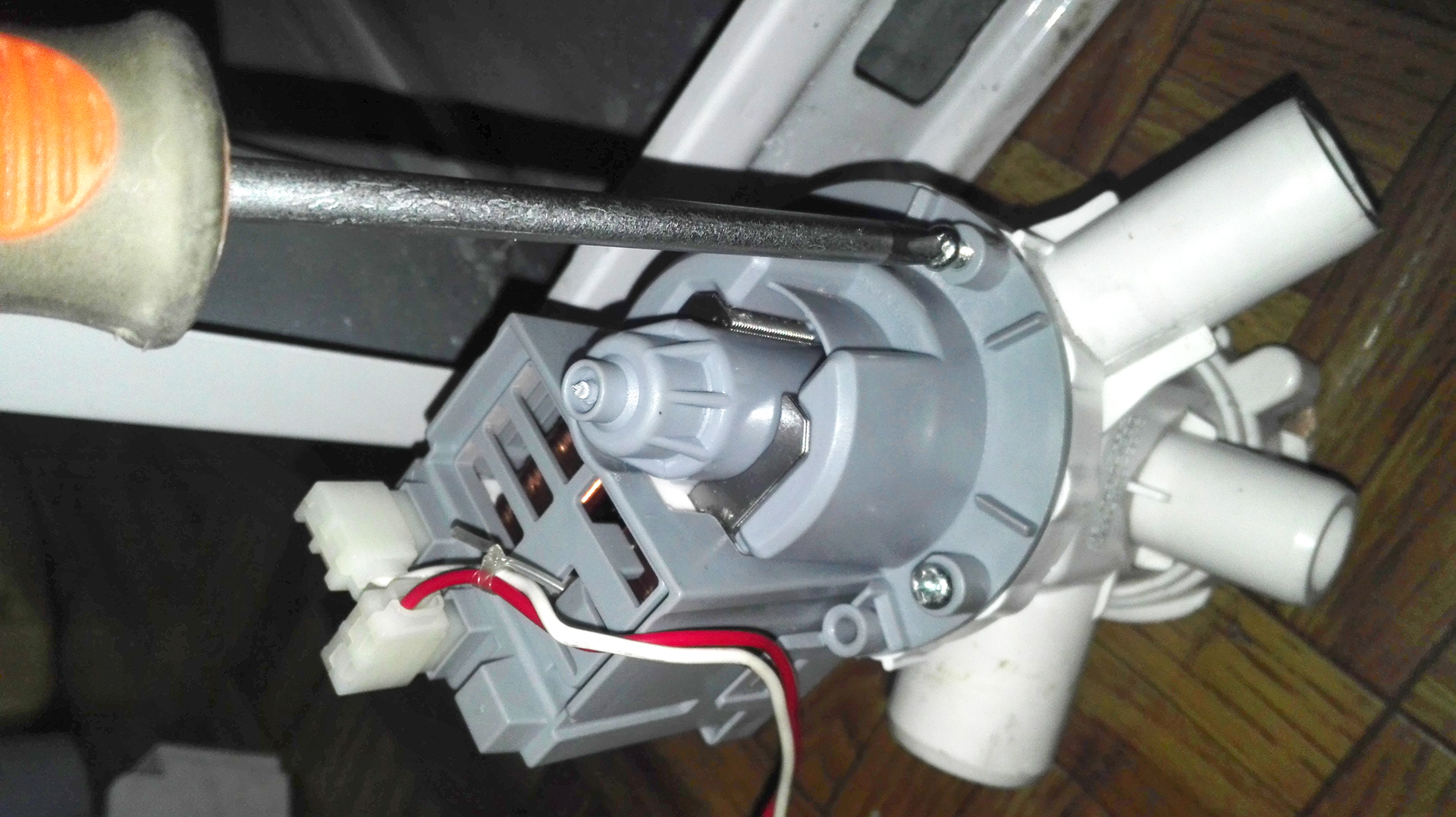
- release the wiring connected to the device;
- remove the pump from its mounting "socket".
After removing the pump, we begin diagnostics. First, we inspect the volute and drain pipe, then the pump itself. We always test the pump with a multimeter: turn on the ohmmeter, connect the probes to the contacts, and evaluate the reading. Normally, the device reads around 20-30 ohms. If the reading is lower, the device needs to be replaced. Disassembling and repairing the pump is practically impossible—it's too difficult and expensive. It's easier and cheaper to buy a new pump based on the washing machine's serial number. Ideally, you should bring the old device to the store and ask them to find an equivalent.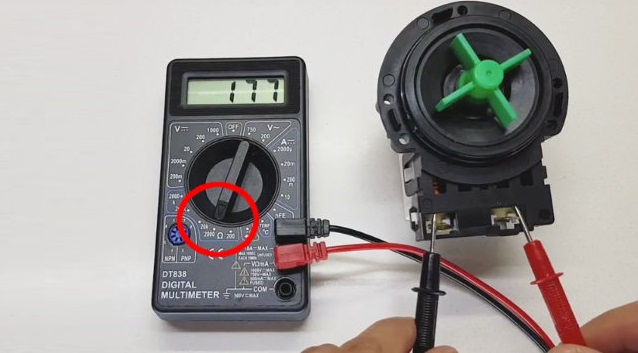
Before installing the pump, thoroughly clean the "nest" of dirt and debris. Then insert the pump into the slots, secure it to the housing, and replace the wiring and hose. Then, place the washing machine upright, plug it in, and run a test cycle. If the drain works properly, you've done everything correctly. A lack of drainage even after cleaning the drain and replacing the pump indicates a problem with the control board. We don't recommend attempting to tamper with the electronic module yourself; it's best to contact a service center immediately.
Interesting:

Readers' comments
Headings
Washing machine repair




For buyers




For users


Dishwasher




Add a comment