
How to change a bearing in a Daewoo washing machine?
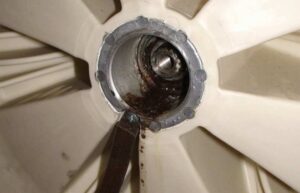 A rattling and banging noise from the machine will alert the user that it's time to replace the bearings. If the bearing assembly is severely worn, increased vibration of the washing machine body and unusual noises during operation, especially during the spin cycle, will be observed. Operating a Daewoo washing machine with damaged bearings is dangerous. It's essential to repair your "home helper" promptly to avoid damage to other internal components. We'll explain how.
Signs of this problem
First of all, I would like to point out that changing a bearing on a Daewoo car yourself is quite simple. Washing machine tank Daewoo It is disassemblable, so there will be no difficulties in gaining access to the bearing unit. The main “symptoms” indicating the need to replace the specified elements:
- a loud hum noted when spinning the drum by hand;
- a distinct knocking and grinding sound when the washing machine is running;
- drum play;
- increased vibration of the body - the machine literally “jumps” around the room.
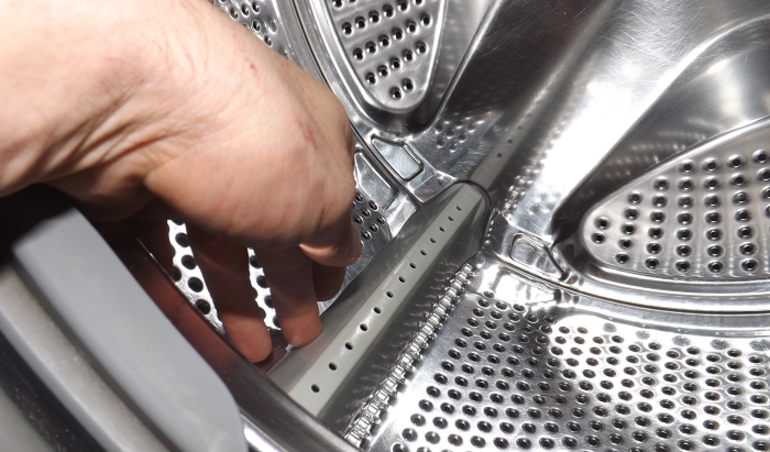
Rarely, in addition to bearing wear, the situation can worsen with damage to the universal joint. In this case, repairs will cost more. The part is not sold separately, so a new drum will need to be purchased.
Primary disassembly
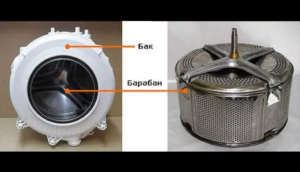
To remove the old bearings, you need to gain access to the inside of the drum. This requires almost complete disassembly of the Daewoo washing machine.
During the repair process, you will need a screwdriver, a pair of screwdrivers (Phillips and minus), a punch, a small hammer, and WD-40 aerosol lubricant.
First of all, do the following:
- turn off the power to the machine, turn off the water supply tap, disconnect the inlet and drain hoses;
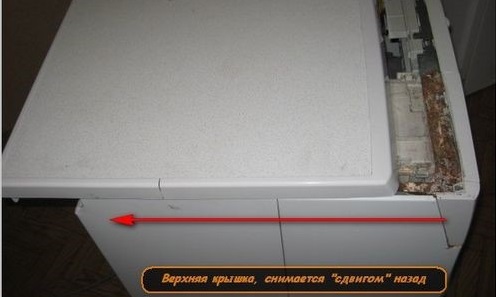
- Remove the "top" of the case. To do this, unscrew a couple of screws holding the panel in place;
- remove the detergent drawer from the washing machine;
- Unscrew the screws securing the control panel. There's no need to disconnect the wires from the instrument cluster; simply hang it on the side of the housing using a pre-prepared hook.
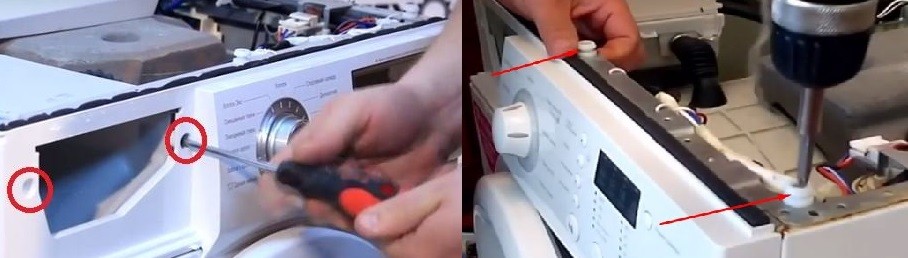
- remove the lower false panel by bending the latches;
- Unscrew the plug of the waste filter, collect the water, the remains of which will flow out of the hole;
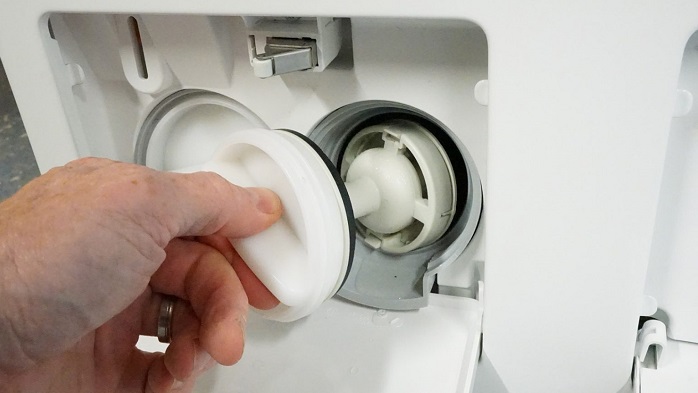
- unscrew the three screws previously hidden behind the decorative panel;
- tuck the outer edge of the cuff into the drum by loosening the clamp that secures the elastic and pulling the rim out;
- Remove the remaining screws holding the front panel in place. They are located in the powder-cooling area, the instrument cluster, and, as mentioned earlier, the lower trim panel.
- Unhook the front panel of the housing. During removal, you will need to carefully release the hatch locking device connector and remove the locking mechanism without damaging its contacts;
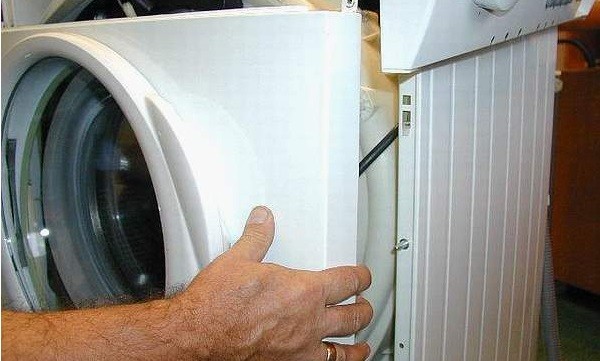
- disconnect the filler pipe;
- unhook the wire connected to the dispenser, pull the “hopper” under the powder receptacle out of the housing;
- remove the top metal strip that is exposed after removing the dashboard;
- unscrew the counterweight bolts and remove the weight from the housing;
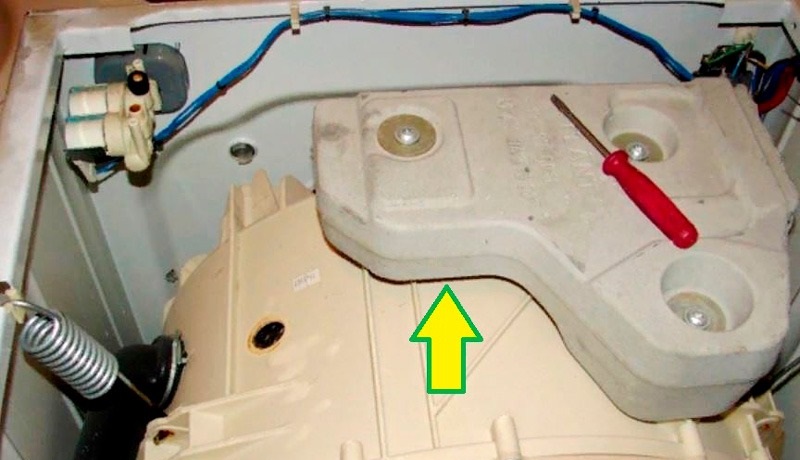
- reset the temperature sensor wiring;
- disconnect the wires and ground from the heating element;
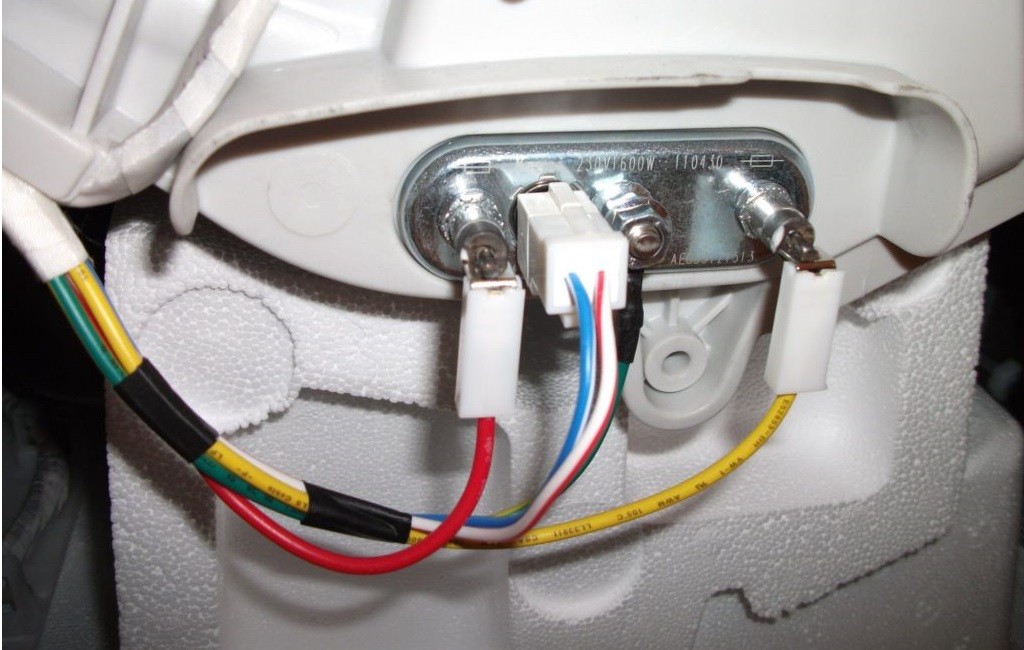
- remove the tubular heater from the housing;
- remove the clamps securing the plastic tank cover;
- remove the lid.
This completes the front disassembly of the Daewoo washing machine. All that's left is to remove the rear panel and work on the components hidden behind it. We'll explain the next steps for replacing the bearing.
Getting to the worn bearings
Next, you'll need to work on the rear of the automatic washing machine. Removing the back panel is very simple—just unscrew the screws holding it in place. The next step is as follows:
- remove the drive belt, put the rubber band aside;
- Unscrew the nut used to secure the drum pulley.
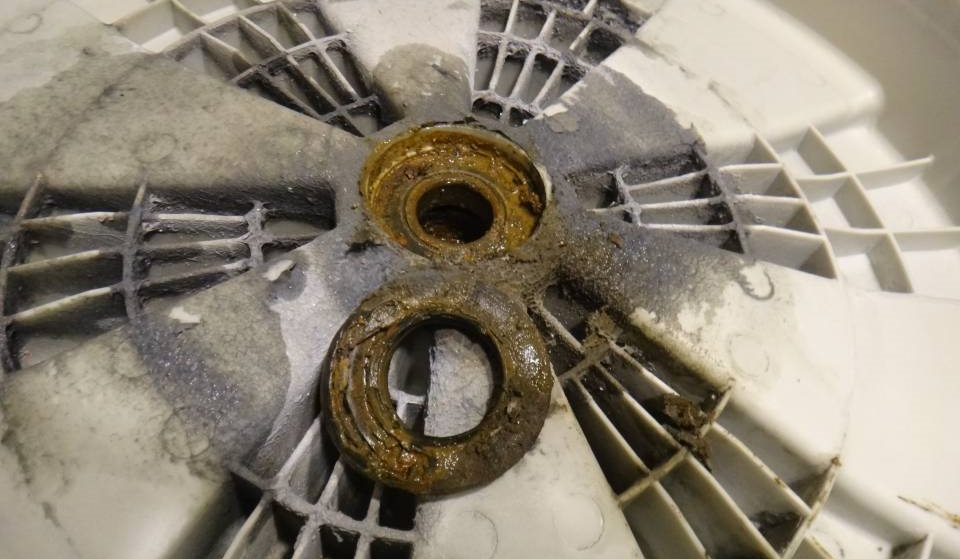
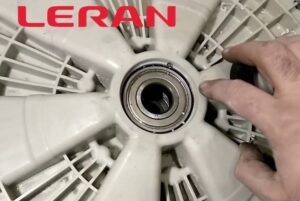
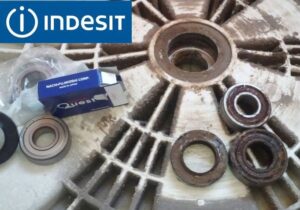
Now you can remove the drum from the Daewoo washing machine. After removing the unit, inspect its crosspiece. If you notice any signs of wear, clean the shaft. Once everything is in good condition, you can begin removing the bearings and seal. For further work, you will need a hammer and a drift. Follow these steps:
- remove the rubber seal (oil seal);
- Place the sharp end of the drift into the center of the inner bearing and hit the tool with a hammer;
- tap the bearing, constantly changing the position of the drift;
- Knock out the second, outer bearing in a similar manner.
Once both metal rings have been knocked out, you need to arm yourself with a rag. Be sure to clean the seat from metal shavings, old grease, dirt and rust. Once you have finished cleaning, you can begin pressing in the purchased bearings.
We install new parts
It's crucial to purchase components that are compatible with your specific Daewoo washing machine. To do this, you need to check the model name and serial number. This information can be found in the machine's manual and on the nameplate. Ideally, you should bring your old bearings to the store. Then, the salesperson will be able to reliably select new components that are identical to the ones you removed.
Pressing the rings in place requires careful attention. One careless blow can damage the new bearing, so proceed with caution. The smaller bearing is installed on the outside of the drum. Drive the bearing into the bearing seat with a drift and hammer. Only the outer ring race can be pressed with a metal rod.
Do not knock on the outer race of the bearing, as this may damage the part.
Once the smaller bearing is pressed in, move on to installing the second ring. Insert it into place and tap it in place with a drift. Once finished, seat the seal on top.
By the way, it's very important not to forget to lubricate the seal and bearings. This will protect the unit from water ingress, thereby extending the life of the components. It is necessary to purchase a special moisture-resistant and temperature-resistant lubricant designed specifically for washing machines. Once the seal is in place, lubricate the drum bushing. This completes the bearing replacement. All that remains is to reassemble the washing machine body in reverse order. First, secure the drum inside, then attach the pulley and the drum lid. Then, tighten the drive belt and install the rear panel of the body. Finally, assemble the front of the machine.
Once assembly is complete, be sure to run a test wash with the drum empty. If the machine no longer rattles, clunks, or makes any noise, the repair has been completed correctly. In fact, replacing the bearings yourself is quite simple. The key is to follow the instructions carefully and observe safety precautions.
Interesting:
Readers' comments
Headings
Washing machine repair




For buyers




For users


Dishwasher




Add a comment