How to change a bearing in a Gorenje washing machine?
A Gorenje washing machine will automatically alert the user when bearing replacement is required. Modern machines will display a corresponding error code on the display. Furthermore, a washing machine with worn bearings will begin to make knocking and rattling noises during operation. Don't put off repairing your "home helper." Continuing to use a Gorenje washing machine with a damaged bearing can damage other internal components. We'll explain the bearing replacement procedure and explain how to repair the machine yourself.
Are the bearings really faulty?
First, it's important to understand the specific signs that indicate bearing problems. If the bearing rings are worn out and broken, your Gorenje washing machine will begin to:
knocking and grinding, especially when spinning;
"play." When spinning the drum by hand, significant play is noticeable;
hum at any stage of the cycle.
In most cases, these "symptoms" indicate a problem with the bearing assembly. Rarely, the situation can be complicated by a broken universal joint. In the latter case, the entire drum will have to be replaced; this part is not sold separately.
You'll have to empty the tank first.
You can repair your "home helper" yourself. The only thing you need to do is move the washing machine to a clear room where nothing will interfere with disassembly. To replace a bearing yourself, you will need to prepare a set of tools: a screwdriver, a couple of screwdrivers (Phillips and slotted), a drift, and a small hammer. In addition, you will need a few clean rags and WD-40 aerosol lubricant.
The bearing replacement process is divided into three stages. The first involves disassembling the washing machine body, removing any parts that could interfere with the drum. The second involves knocking out the bearings and installing new components. The final step is reassembling the machine.
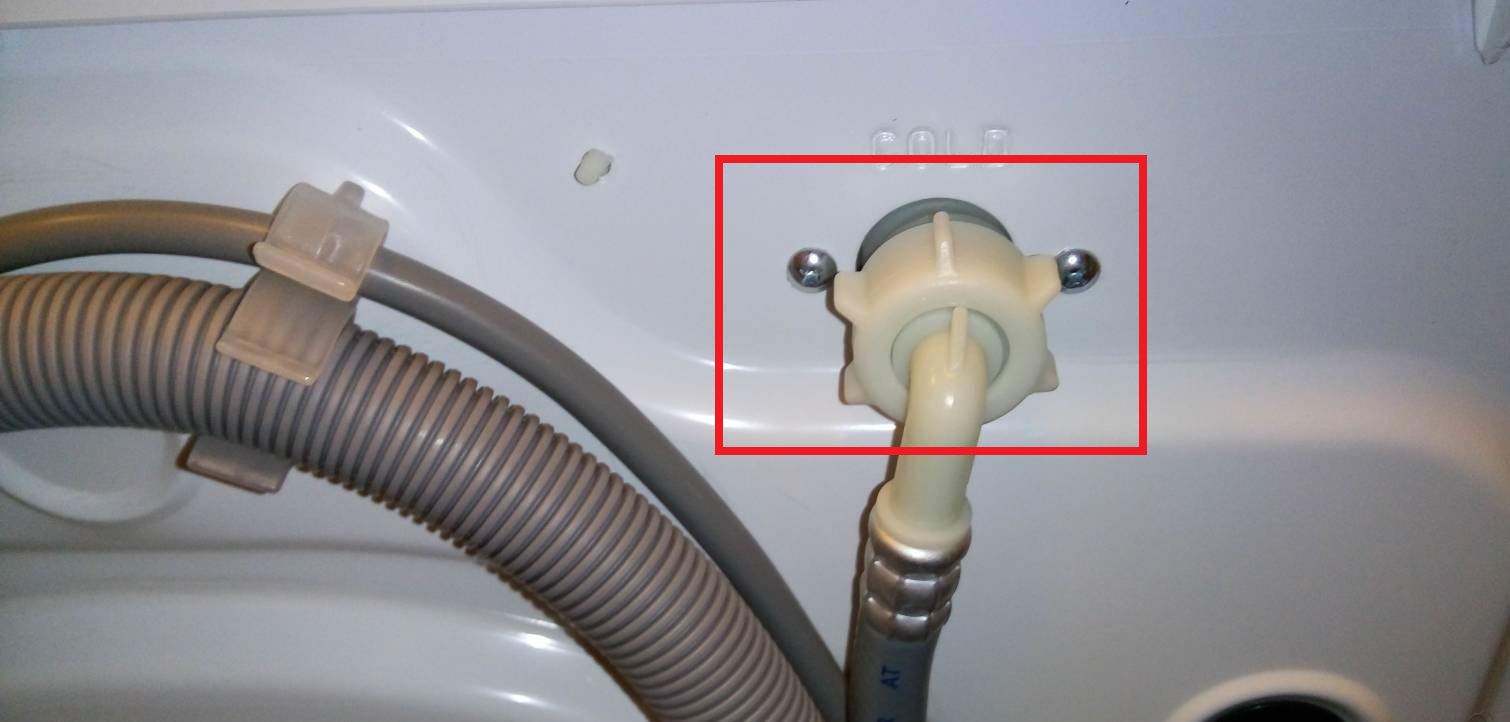
Before starting work, be sure to turn off the power to the Gorenje washing machine and turn off the water supply tap.
The algorithm of actions will be as follows:
disconnect the circuit breaker from the house utilities;
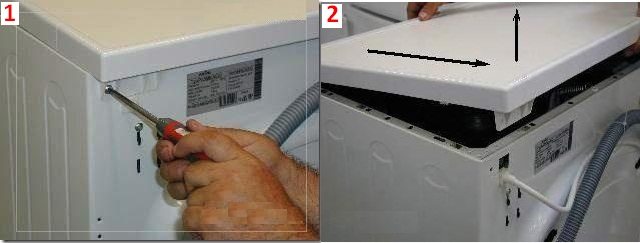
Remove the top panel of the case. To do this, unscrew the two screws securing it and lift off the cover;
remove the powder container from the machine;
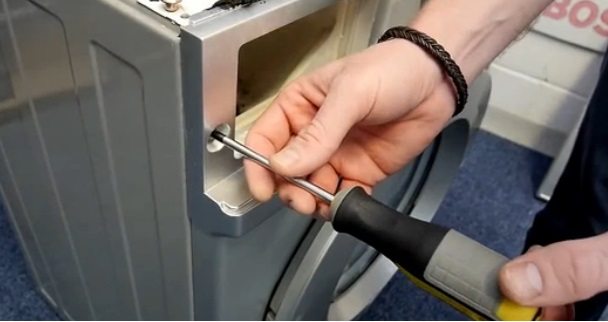
unscrew the bolts securing the control panel;
Carefully move the dashboard to the side, hanging it on the hook provided on the side of the case. It's important not to damage the circuit board wiring.
remove the lower front false panel, behind which the debris filter is hidden;
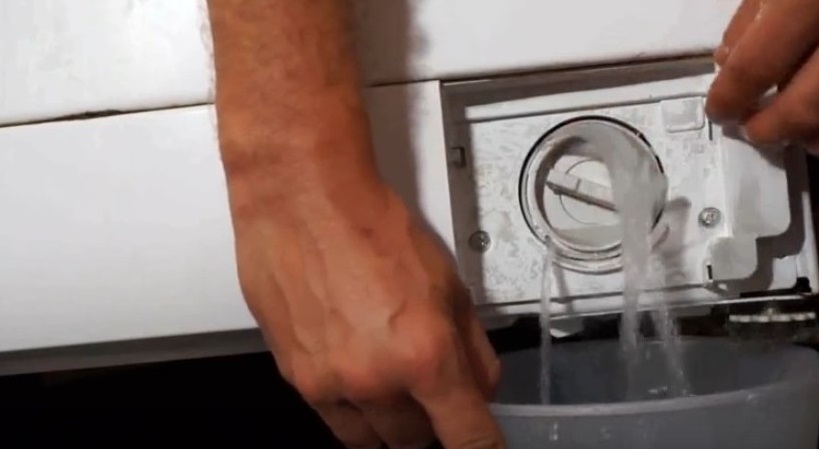
drain the remaining water from the system by unscrewing the waste container plug;
remove the three bolts previously hidden behind the decorative panel;
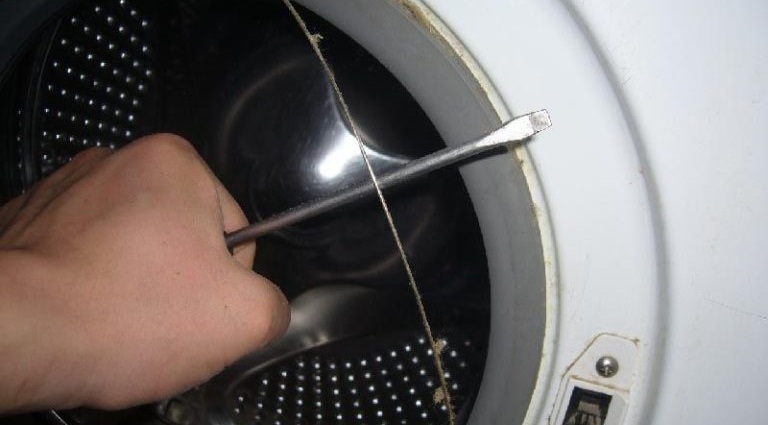
open the hatch door and find the clamp that secures the cuff;
loosen the plastic clamp latch and pull the “rim” out of the housing;
insert the sealing cuff into the drum;
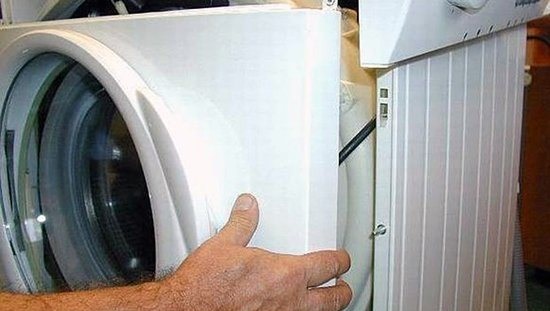
Unhook the front panel of the case. When removing the panel, you will need to carefully release the locking device connector or completely disconnect the lock;
remove the filler neck;
remove the cord from the dispenser and pull the “hopper” out of the machine;
remove the metal false panel located at the top, under the dashboard;
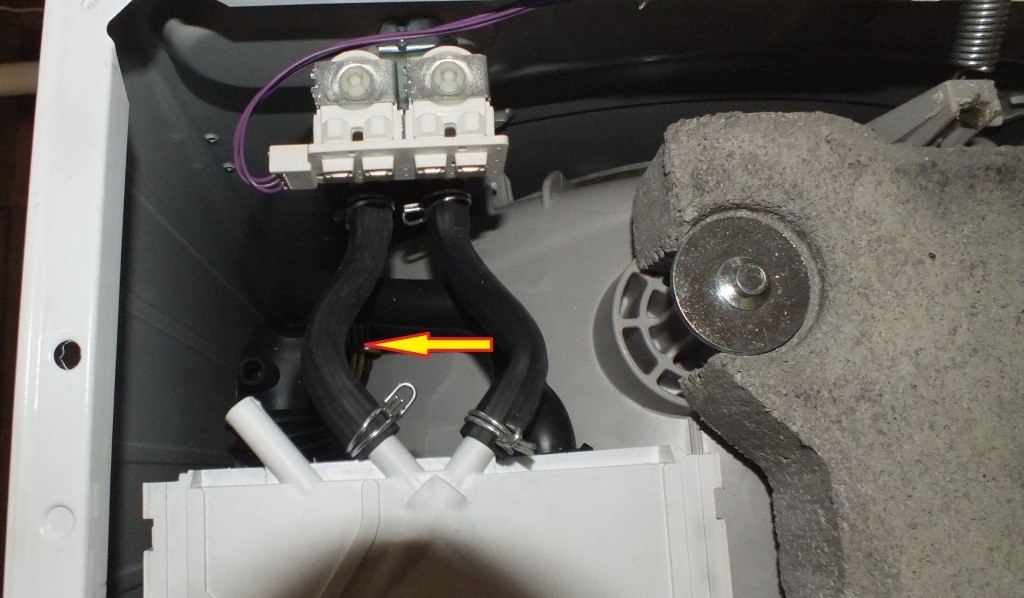
remove the counterweight by removing its clamps;
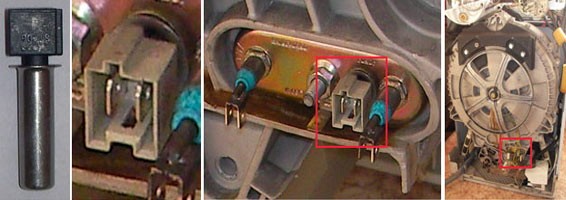
reset the temperature sensor wiring, remove the thermistor;
remove the heating element by loosening its central nut;
unhook the clamps holding the tank "lid";
put the plastic part aside.
Even with a basic understanding of how a washing machine works, you can easily remove the main internal components. Then, all that's left to do is remove the drum from the tub and work on the metal container. We'll show you how to access the bearings.
We take out the tank and disassemble it.
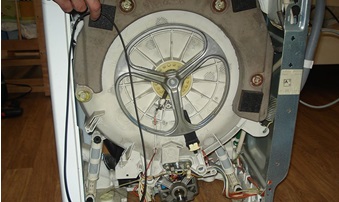
At this stage of the work, the drum is only accessible from the front of the Gorenje washing machine. Now it's time to work on the rear panel. Here's how to proceed:
unscrew the bolts securing the back cover;
remove the drive belt from the pulley;
loosen the nut that holds the drum "wheel";
Remove the drum from the washing machine.
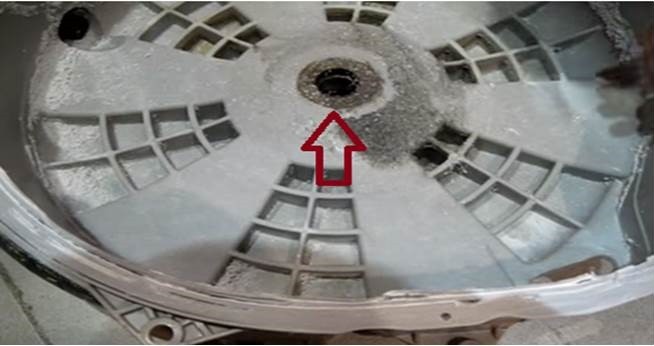
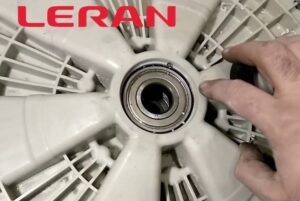
First, you need to inspect the universal joint and assess its condition. If the shaft shows no signs of wear, chips, or other defects, everything is fine, and you can begin replacing the bearings.
If the bearing is stuck to the drum shaft, spray the parts with WD-40, wait 20 minutes, and try removing the element again.
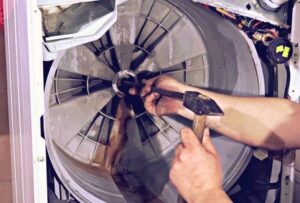
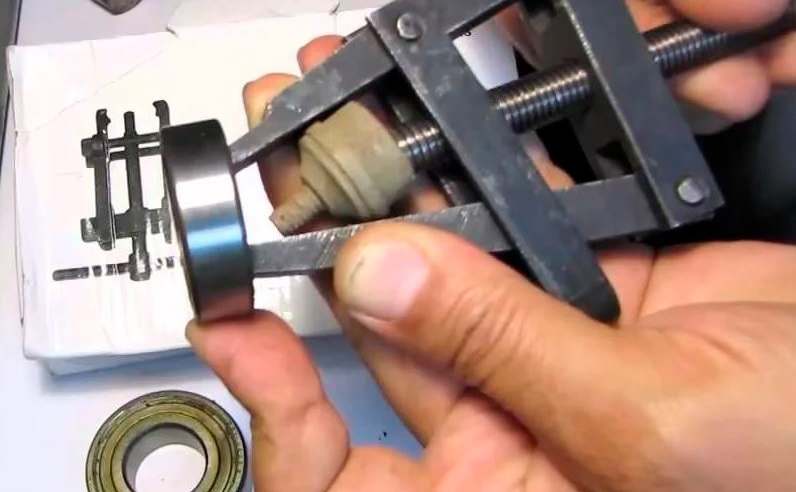
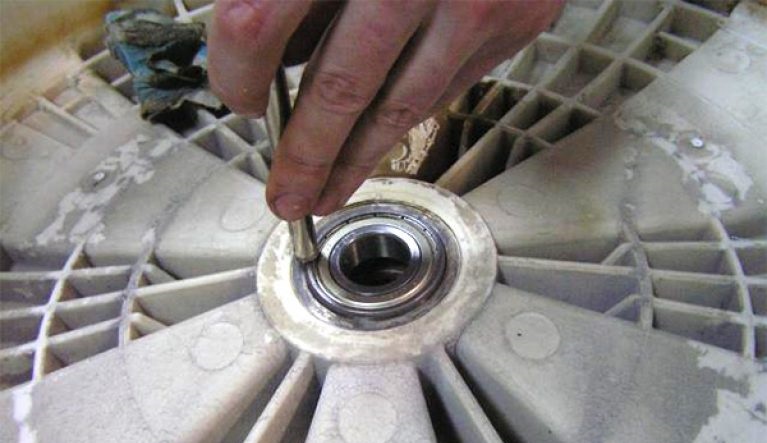
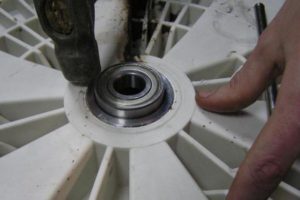
At this stage, you'll need a small hammer and a drift. The drift can be replaced with a blunt chisel or a car repair puller. Using these tools, knock out the worn "rings." The procedure is as follows:
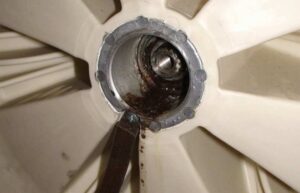
pry the seal with a screwdriver and remove the gasket;
place the drift in the middle of the outer bearing and tap the “ring” by moving the tool in a circle;
knock out the second bearing in the same way.
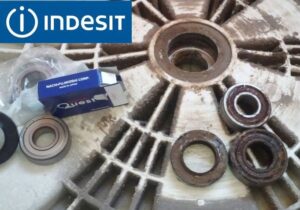
The bearing assembly dismantling is complete. Before installing new bearings, be sure to clean the seat from metal shavings and dirt, and treat the area with a special lubricant. The shaft should also be washed. Once the cleaning is complete, you can install new rings.
We are putting in a replacement
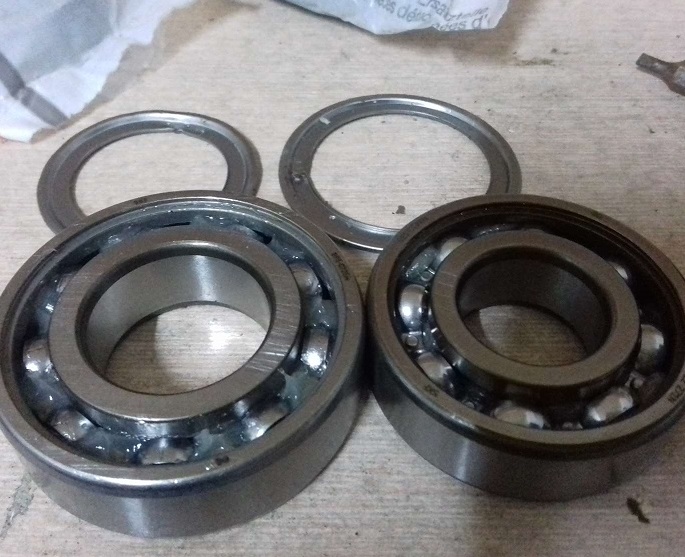
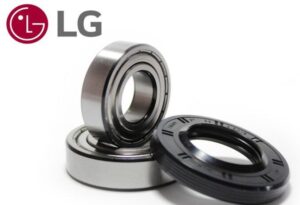
It's important to purchase the correct replacement parts. To do this, check the model and serial number of your Gorenje washing machine. You can also take the old bearings and gasket and show them to the store manager. This will reduce the chance of buying the wrong parts. Replacement is performed as follows:
Place the smaller ring into the seat on the outside of the drum;
drive the bearing in using a drift;
When pressing the bearing, do not hit its outer race, as this may damage the part.
install the second, larger bearing and “drive” it in in a similar manner;
Treat the rings with a special bearing grease;
Lubricate the seal and put it in place.
In addition, it's essential to coat the drum bushing and shaft with lubricant. This protective coating will protect the unit from temperature fluctuations and moisture.
Next, reassemble the Gorenje washing machine in reverse order. Replace the drum, replace the pulley, tighten the drive belt, and secure the rear panel. Next, work on the front of the machine: secure the heating element, temperature sensor, control panel, and other components. Once the repair is complete, be sure to run a test wash and monitor the machine's operation.

 A Gorenje washing machine will automatically alert the user when bearing replacement is required. Modern machines will display a corresponding error code on the display. Furthermore, a washing machine with worn bearings will begin to make knocking and rattling noises during operation. Don't put off repairing your "home helper." Continuing to use a Gorenje washing machine with a damaged bearing can damage other internal components. We'll explain the bearing replacement procedure and explain how to repair the machine yourself.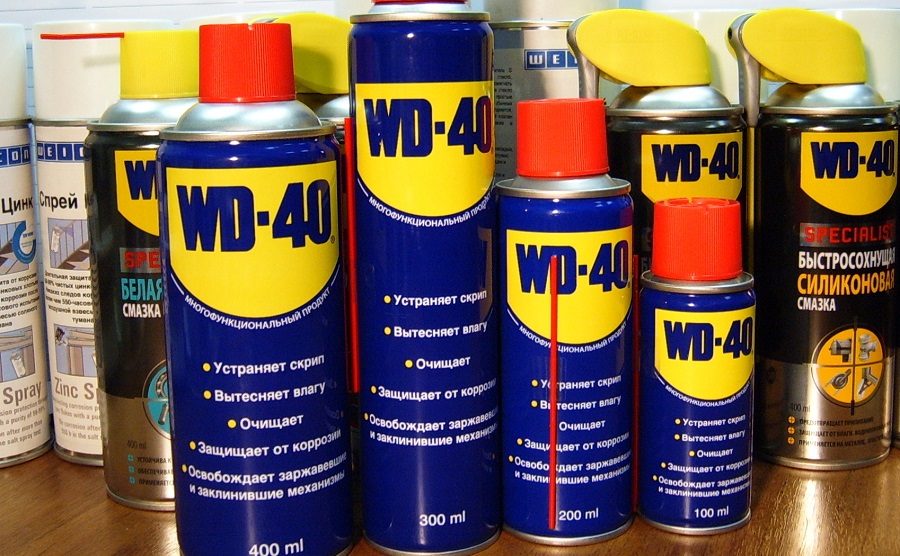















Add a comment