
How to change the power cord of a washing machine?
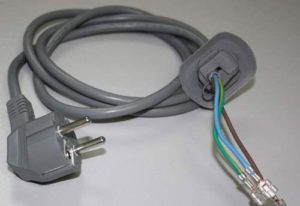 If your washing machine's power cord needs replacing, don't put it off. Suspicious burn marks, severe kinks, or obvious damage can quickly lead to a short circuit and even a fire. Don't hope for a miracle—it's best to immediately turn off the power, call a repairman, or tackle the job yourself. The wire that doesn't reach the outlet should also be replaced. If you decide to do it yourself, follow the step-by-step instructions.
Description of the replacement procedure
To replace the washing machine's power cord, all you need is 30 minutes and a standard set of tools. You'll need electrical tape, a screwdriver, and a knife. Next, check to see if the power is off and shut off the water supply to the washing machine. Drain any remaining liquid by opening the access hatch in the lower right corner of the machine and using the emergency drain. Then, proceed as follows.
- Turn the washing machine 90 degrees and place it on the side next to the detergent drawer. Never turn the machine on its other side, as water from the dispenser will cause a leak and damage the control board.
- We detach the bottom by unscrewing eight bolts.
- We look for a noise filter to which the power cord is connected.
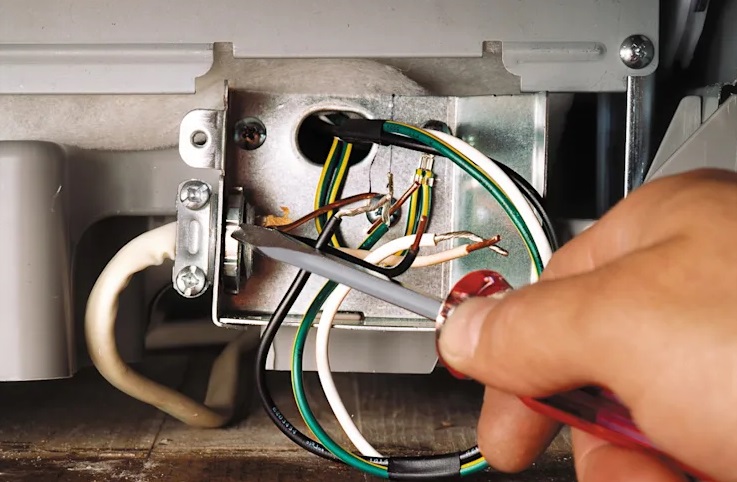
- Loosen the screw securing the interference filter, slide it, and lift it away from the machine body. Compress the inner clips of the plastic retainer and push it outward.
- We move the cord and push it inside, after which access to the filter will open.
- We disconnect the protective cover and release the wire contacts.
Remember the color coding of the wires: green shades indicate "ground," black or brown indicate the phase, and blue-light blue indicates "zero."
Before you begin disconnecting the cable contacts, you should take care of marking or photographing them. It is necessary to mark the phase, ground and neutral so as not to confuse the location of the conductors during assembly. Then, unclamp the terminals and carefully pull the cord out of the washing machine. Connect the new cord in reverse order.
In what cases is the wire changed?
Even if a newly purchased cord is reliable, over time and with improper use it can overheat, melt, and become a real hazard. The main cause of excessive heating is connecting the cord to a weak electrical network. A standard washing machine produces approximately 2 kW of power, which requires a dedicated outlet and a separate circuit breaker on the electrical panel.
Washing machines cannot be connected to the electrical network via extension cords or multiple sockets.
In addition to improper connection, trivial problems can lead to the need to replace the cord.
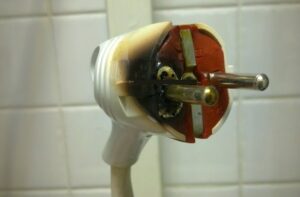
- A manufacturing defect in the plug or cord, or mechanical damage. If damage occurs, melting will occur, followed by combustion. The characteristic acrid smoke of burning plastic will indicate a malfunction. Do not use a melted plug or cord—the contacts are damaged and will overheat, which will lead to a full-blown fire if continued use occurs.
- Cable breakage due to repeated kinking. Repeatedly kinking the cord severely causes the strands to break and the connection to be lost. The current doesn't reach the machine, being "lost" in the insulation. Trying to cut out the problem area and twist the conductors with electrical tape won't help – such connections are fire hazardous and unreliable.
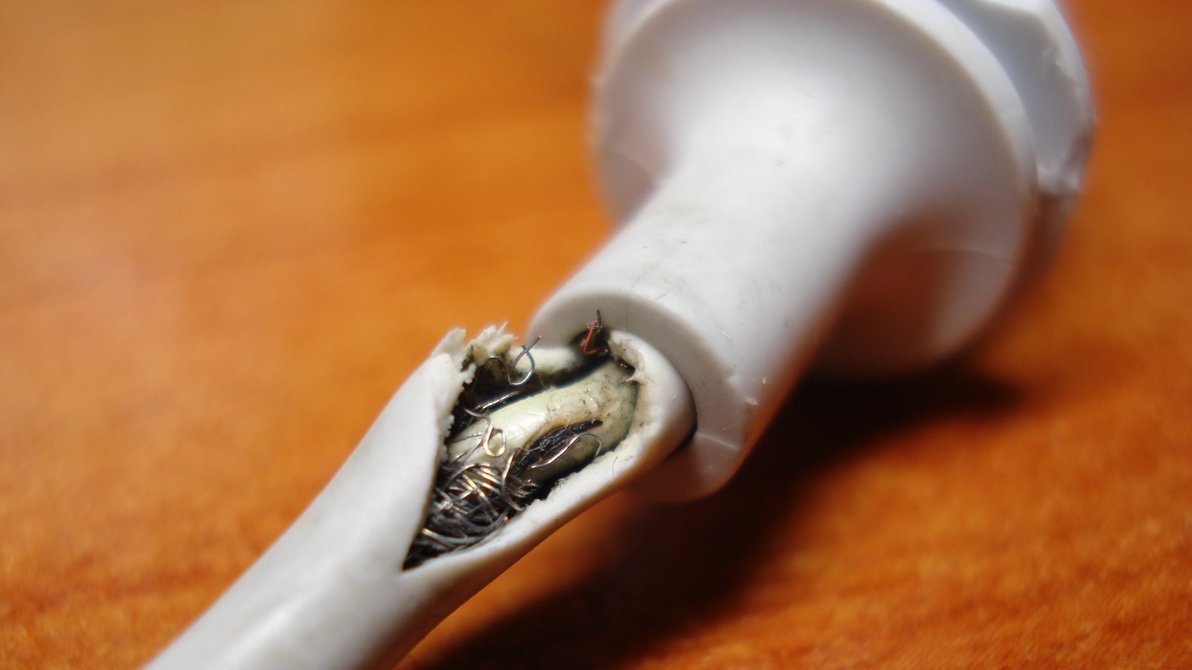
- A similar problem arises from broken or pinched cords. For example, when moving a washing machine carelessly, the cable gets caught under the bottom or foot. Carelessness can result in power surges, erratic power switching on and off, and eventually the connection is lost forever. Removing the damaged section and twisting the wires together will also not work - only a complete replacement of the network cable will do.
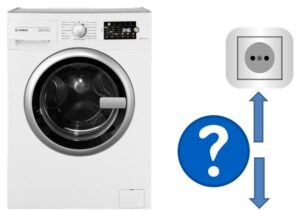
There's also a fail-safe option: the factory-installed power cord is insufficient. The washing machine must be connected directly to the power outlet, without an extension cord, which isn't always possible. The solution is to replace it with a longer one. To do this, you need to purchase a ready-made new network cable from a specialist store. Or, you can build one from scratch: buy a 2- to 4-meter long PVS 3 x 2.5 cable and a detachable plug. The cable is replaced in the same way as if it were damaged.
Interesting:

Readers' comments
Headings
Washing machine repair




For buyers




For users


Dishwasher




Add a comment