
How to change the heating element in a Beko washing machine?
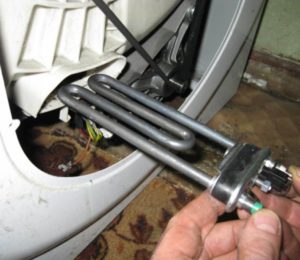 If the water in your washing machine remains cold on the high-temperature program, it means the machine has stopped heating. Several faults can cause heat problems, the most common of which is a faulty tubular electric heater or heating element. Ignoring heating problems is strongly discouraged; it's best to have them diagnosed and repaired as soon as possible. Failure to replace the heating element in a Beko washing machine in a timely manner will have dire consequences. To avoid unpleasant surprises, follow the instructions strictly.
We will prepare everything necessary
Almost anyone can remove a faulty heating element and install a new one themselves. Moreover, there's no need to purchase any special tools or equipment—a standard household "kit" will suffice. Specifically, you'll need a ratchet with an 8mm socket, a Phillips-head and flat-head screwdriver, a multimeter, and any available technical lubricant.
Selecting a replacement heater is no more difficult. You can order a replacement for your broken heating element from your local hardware store, a service center, or online.The average price for a heating element ranges from $8 to $10.
The main task is to select the ideal heating element. Each washing machine model is equipped with a specific type of heating element, and a new unit with a power or size that doesn't match will lead to premature failure. To avoid making a mistake when purchasing, you should: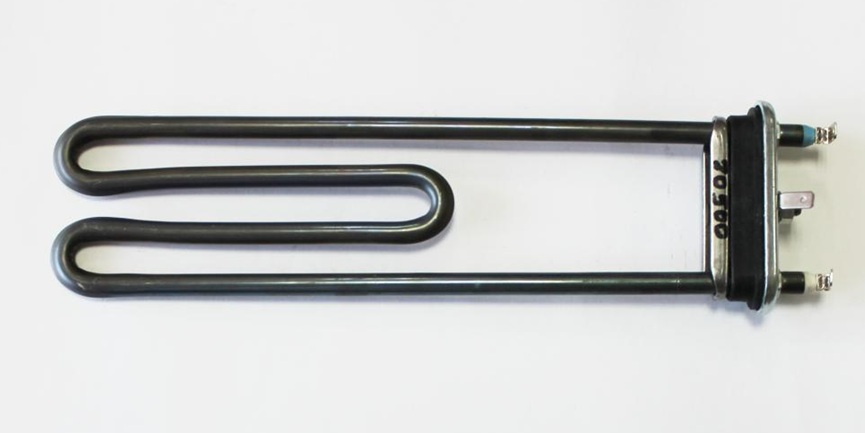
- copy the markings from the old heating element that are applied to the surface of the coil;
- dismantle the device and bring it to the store as a sample;
- Use the serial number of your existing Beko as a guide.
The average cost of a new heating element is $10.
In any case, it's important to determine the required heating element power as accurately as possible. Typically, Beko washing machines are rated at 1850 watts. However, some machines can operate at higher power levels—it's a purely individual matter.
We are looking for a heater in the case
In Beko washing machines, the tubular electric heater is located in the standard location for automatic machines—under the drum. Accessing the heating element is easy: simply unplug the machine from the power supply and water supply, turn the machine over, remove the rear panel, remove the drive belt, and take a closer look. Just under the bottom of the drum, you'll find the element you're looking for—a round metal plate with numerous wires attached.
It's impossible to confuse the heating element with the motor or any other component of the washing machine—it's always located under the drum and surrounded by wiring. This is the first thing you notice after disassembling the machine.
While finding and replacing a heater is easy, determining the cause of the breakdown often presents challenges. Heating elements fail due to a variety of issues, and a comprehensive diagnostic is recommended before repair. Typically, the following faults lead to "thermal failures":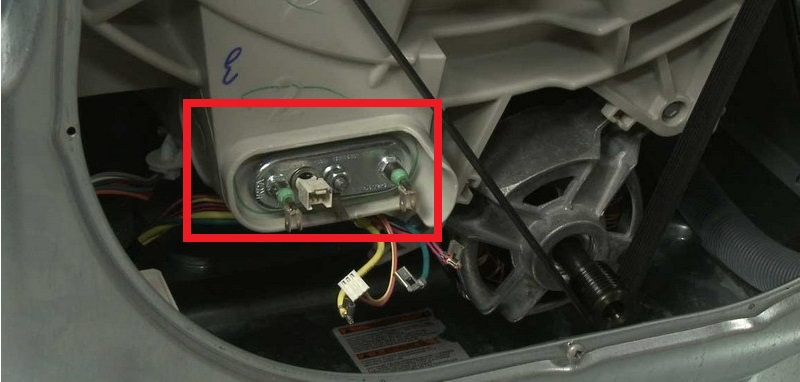
- sharp voltage surges in the network;
- incorrect operation of the heating element temperature sensor;
- overheating of the device due to a thick layer of scale (if the water in the tap is dirty or too hard);
- water getting on the contacts;
- human carelessness or error;
- manufacturing defect.
Most often, the heating element burns out due to power surges.
In most cases, replacing a faulty heating element will resolve the issue. It's even worse if the control board is at fault. A module that is not working properly, for example due to damaged tracks or loose contacts, must be repaired separately. However, we strongly advise against repairing the electronic unit yourself – it is safer to contact a service center.
We repair the machine ourselves
Do not operate the washing machine with a faulty heating element. Firstly, when turned on, the self-diagnostic system will activate, alerting you to the fault on the display or through the LED indicators. Secondly, washing with cold water will not remove stains. It's best to proceed with repairs immediately.
Now, here's a step-by-step guide on how to replace a heating element at home. First, check to make sure the washing machine is unplugged. Next, shut off the water supply and sewer lines. The third step is to drain any remaining water from the unit, as any waste liquid may leak out and get on the contacts during subsequent repairs.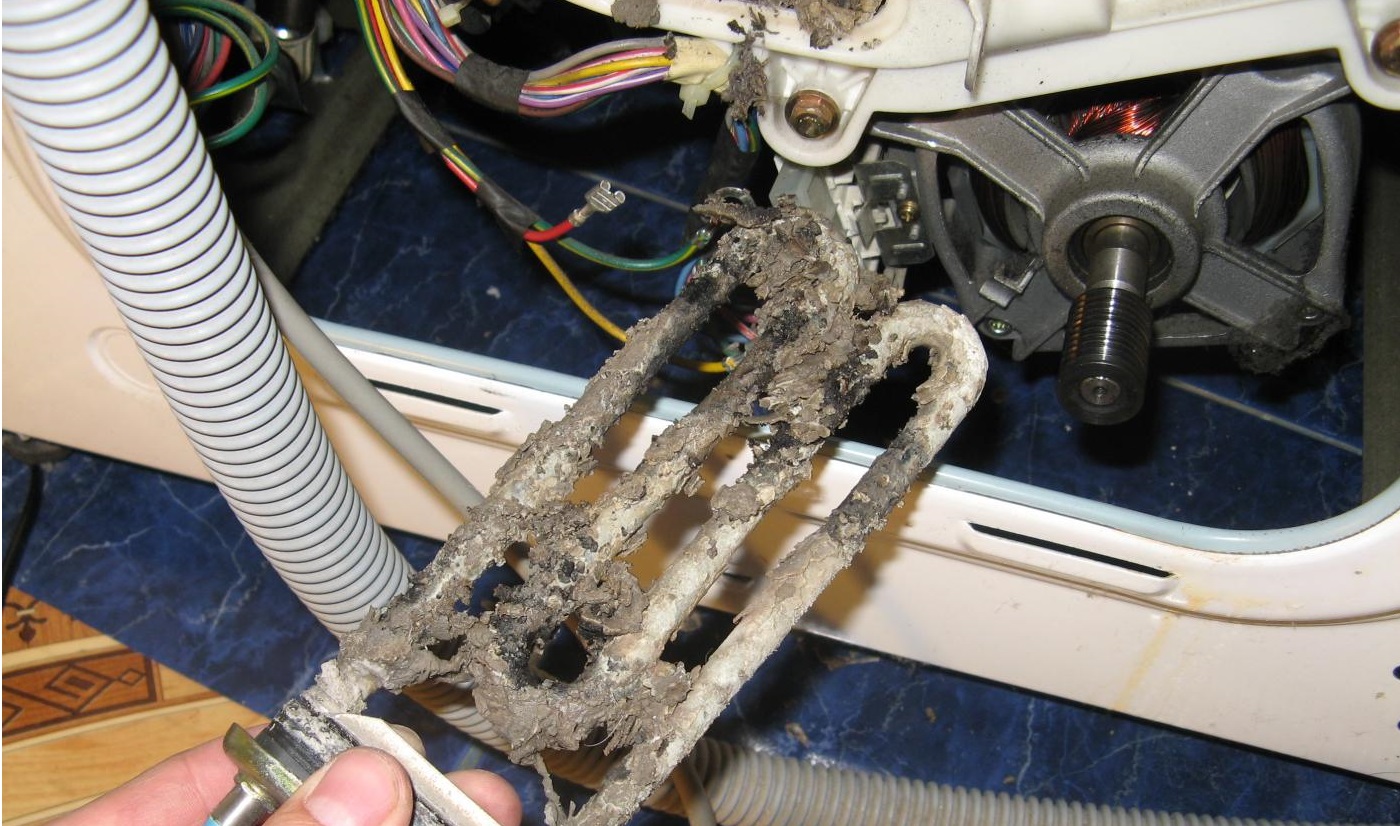
The water is drained through the waste filter:
- we pry the technical hatch with a screwdriver and remove it;
- prepare rags and oilcloth;
- place a container under the filter to collect water;
- unscrew the debris filter, turning it clockwise;
- We collect dirty water.
The empty machine is turned over and partially disassembled. First, after unscrewing the retaining bolts, the rear panel is removed, followed by the drive belt. Once the heater is accessible, we begin diagnostics:
- we look for the heating element under the tank;
- we disconnect the wiring from the “chip”;
- set the multimeter to the “Resistance” mode;
- we apply the tester probes to the heater contacts;
- We evaluate the displayed value - normally the resistance should fluctuate within 20-30 Ohms.
If the multimeter shows an abnormal value, it needs to be replaced. To do this, remove the old heater: simply loosen the central bolt, push the fastener inward, pry the base of the heating element with a screwdriver, and remove the unit. It's important to proceed with extreme caution and avoid damaging the rubber seal, which ensures the watertight seal.
When dismantling the heating element, do not damage the seal - a torn rubber seal will begin to leak water, which will compromise the seal.
After removing the heating element, thoroughly clean the mounting surface. Next, screw the nut onto the heating element bolt, apply lubricant to the rubber gasket, place the element in the groove, and secure it in place. Finally, connect the wiring.
Having completed the repair, we check the quality of the work done. We start an “empty” wash with water heating up to 50-90 degrees and 20 minutes after the start, we place our palm on the hatch door. If the glass is hot, then the heater replacement was successful.
Does Calgon help preserve the heating element?
According to the advertising, without adding Calgon, your washing machine will break down in a matter of days due to scale-covered heating elements. The images and experiments shown are so realistic and terrifying that many washing machine owners add the product to the detergent drawer every wash. However, experts claim that using this detergent doesn't produce the desired effect.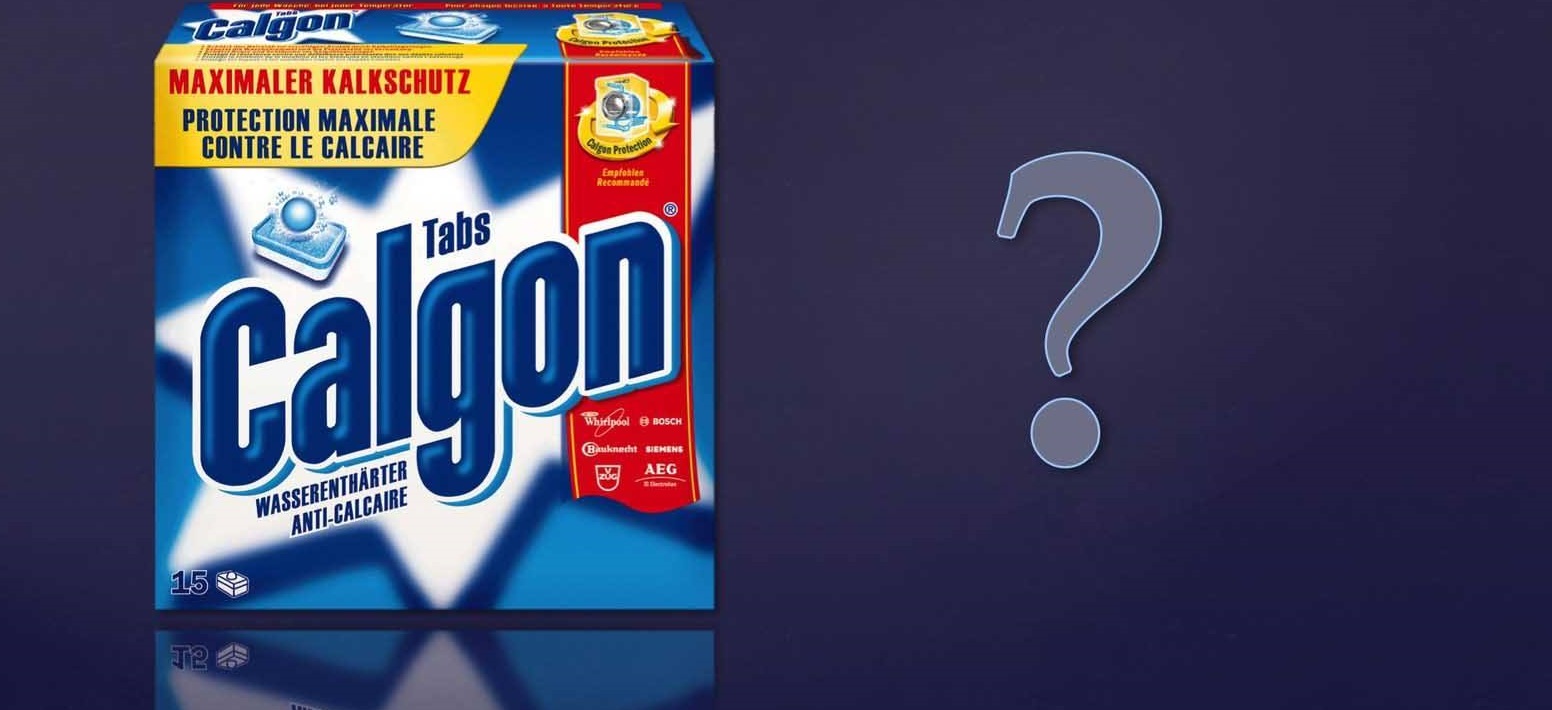
There are several counterarguments to the usefulness of Calgon.
- Calgon doesn't protect against malfunctions. No one can predict which tire will puncture faster: a clean one or a dirty one. The same applies to heating elements: scale doesn't directly affect the appliance's performance, and deposits are the last cause of failure. It's far more important to operate the appliance correctly, choose a quality manufacturer, and include a voltage stabilizer in the circuit.
- The product does not provide any guarantees. Calgon only slows down the sedimentation of substances. It is much more reliable to organize a water filtration system.
- Calgon's effectiveness is debatable. More effective alternatives exist: annual cleaning with specialized cleaning agents or replacing the heating element every 3-5 years. Even such drastic measures are less expensive than Calgon.
The heater requires special care, but using Calgon is not necessary. Regular cleaning of the machine and installation of a water filtration system are far more effective.
Interesting:
1 reader comment
Add a comment
Headings
Washing machine repair




For buyers




For users


Dishwasher




Thank you very much. The video is very informative. Simple, clear, and nothing superfluous. Enjoyable and interesting to watch. You're great.