
How to change the heating element in an Ardo washing machine
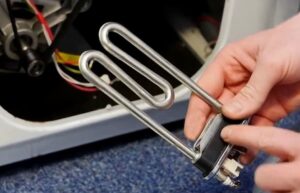 When your indispensable "home assistant" suddenly stops heating the water for washing, it's likely either the low-temperature setting was selected, or the heating function has stopped working for some reason. This could be due to various internal components, but most often it means the heating element in your Ardo washing machine needs to be replaced. Ignoring the problem and continuing to use the machine without heating the water isn't recommended, so it's best to repair the machine as quickly as possible and prevent further damage. We'll explain in detail how to do this yourself without calling a technician.
What is needed for repairs?
Replacing a water heating element is relatively easy, as it requires neither special tools nor extensive repair experience. To do the job yourself, all you need are standard tools: a ratchet with an 8mm socket, Phillips and flat-head screwdrivers, a standard multimeter, and any industrial lubricant, such as WD-40.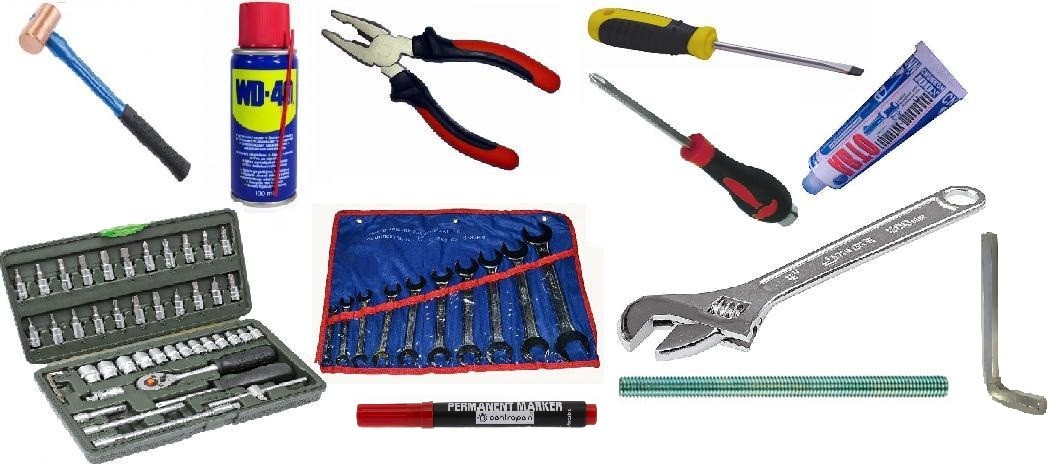
Finding a suitable heating element is also easy. The easiest way is to disassemble the machine to remove the damaged water heater and take it to the store as a sample. You need to buy either an identical heating element or one with the appropriate rated power. Also, consider whether the heating element has a hole for the thermistor located on the housing. The cost of the part varies greatly depending on brand, power, and other factors, so you can find it for as little as $5 and as little as $20.
Where is the heating element installed?
The location of the water heater in Ardo brand appliances is standard – directly under the tank. To replace it, you need to disconnect the washing machine from all communications, ensure free access to the rear wall, remove it, remove the drive belt and go to the heating element itself. The part is installed just below the bottom of the drum and looks like a round metal element surrounded by wiring.
Don't rush to disconnect the wires - first take a few photos of the connection so you can use the photos as a reference when connecting the new heater.
While it's easy to detect and remove a heating element, determining the exact cause of its failure is much more difficult. This fragile component is very easily damaged in a variety of ways, so before replacing it, it's recommended to determine the cause of the malfunction to ensure the safety of the new part. Most often, water heating elements fail due to the following reasons: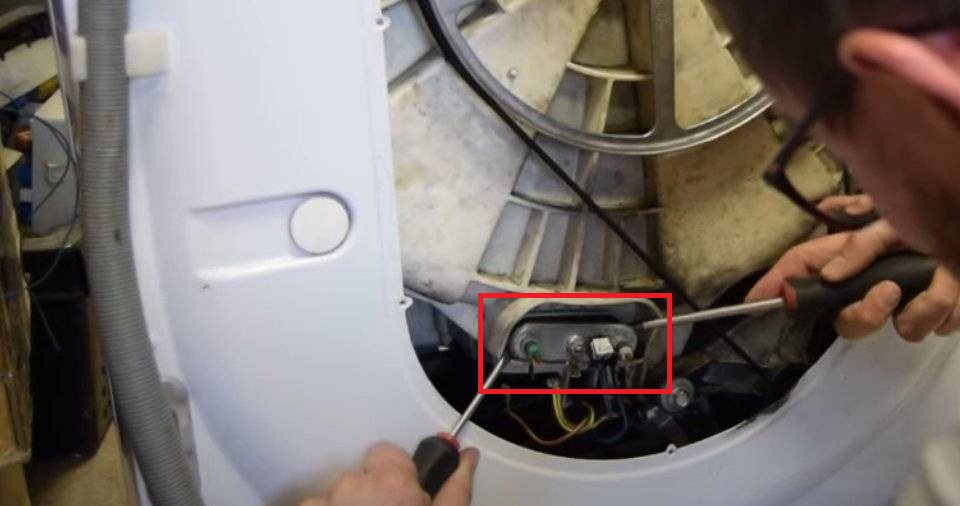
- strong voltage surges in the electrical network;
- incorrect operation of the temperature sensor;
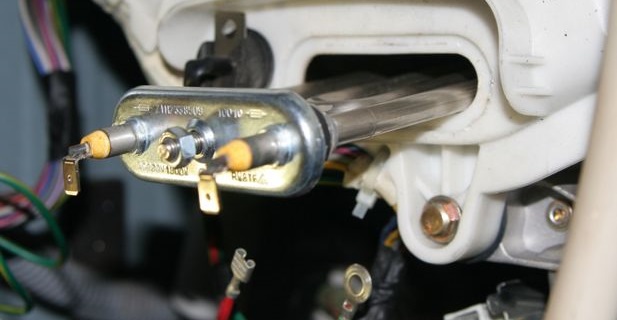
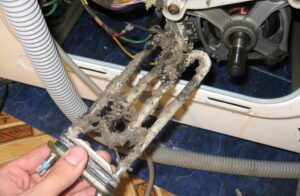
- overheating of the heating element due to scale formed during operation in conditions of hard, poor-quality water;
- liquid spilled on the contacts of the part;
- user inattention;
- manufacturing defect.
Among all the causes, sudden voltage surges are considered the most common, so it is recommended to check the heating element after each such incident.
Most often, replacing the water heater will resolve the heating issue. If replacing this component doesn't resolve the issue, the problem most likely lies in the Ardo washing machine's control module. In this case, the control board may have been damaged by burnt-out circuits or damaged contacts, which is nearly impossible to fix on your own. If this happens, the module should be taken to a service center, as working with this electronic component requires not only specialized equipment but also extensive experience with electronics.
Progress of work
Never use a washing machine with a damaged water heater. Not only will you be faced with the self-diagnostic system constantly triggering, actively signaling an error, but you'll also be unable to wash dirty clothes that will still have stains after being treated with cold water. That's why it's better not to delay repairs.
If you're ready to begin restoring your "home assistant," first ensure the appliance is disconnected from all utilities. Then, disconnect the hoses and drain any waste water remaining in the system from the previous cycle. This is essential to prevent water from accidentally contacting the electronic contacts during repairs. How do you drain the waste water through a drain filter?
- Use a screwdriver to pry the service hatch open and then remove it.
- Prepare some unnecessary towels or rags and place them under the machine.
- Place a water container, such as a basin or bucket, under the debris filter.
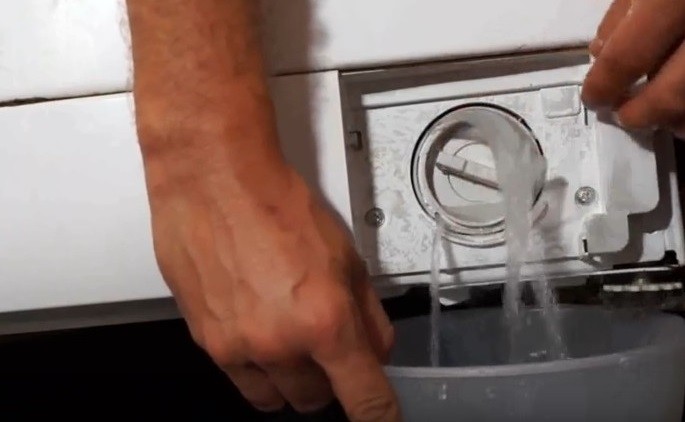
- Unscrew the filter by turning it clockwise.
- Collect all waste liquid.
Now that the appliance is empty, you can begin partial disassembly. Unscrew the fasteners from the rear panel to remove the wall panel, and then the drive belt. Once you have free access to the water heating element, begin inspection.
- Find the water heater.
- Disconnect all wires from it.
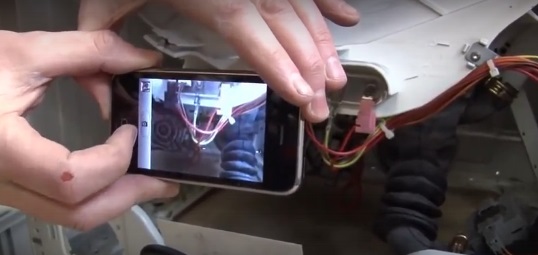
- Set the multimeter to resistance measurement mode.
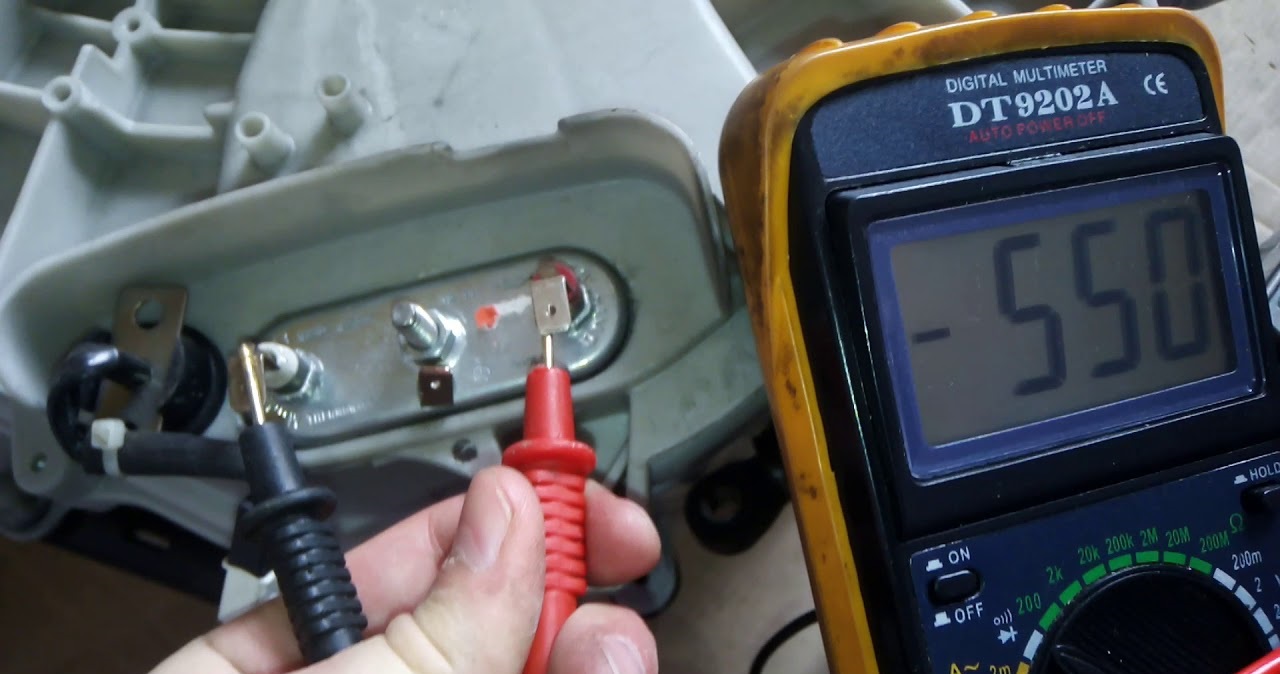
- Place the device's probes on the heating element contacts.
- Evaluate the obtained data, which should normally be within the range of 20-30 Ohms.
If the readings differ, the heating element needs to be replaced to restore the Ardo washing machine's functionality. Remove the old heating element by first loosening its central bolt, pushing the pin into the tub, and prying it out with a screwdriver. Be extremely careful when doing this to avoid accidentally damaging the tub on the side where the element is located.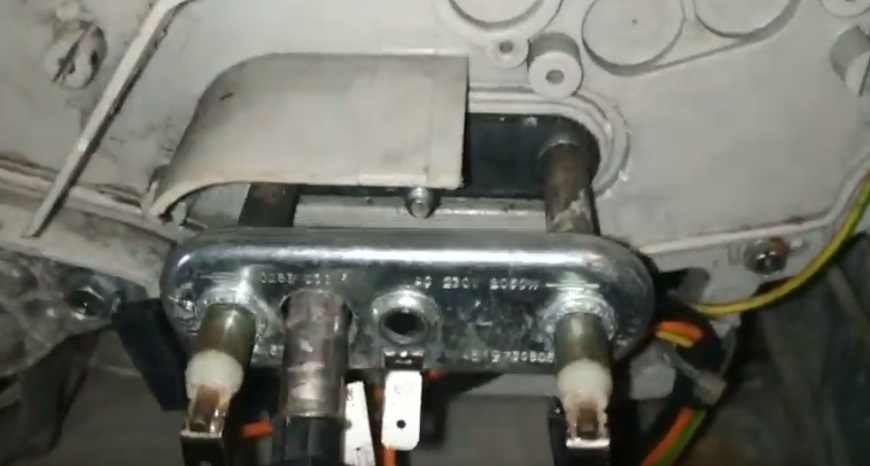
Be sure to clean the water heater groove of any dirt or debris before installing the new part. Install the nut on the bolt of the new element, treat the rubber gasket with WD-40 or similar, and then place the heating element in its seat, securing it in place and connecting all the wires.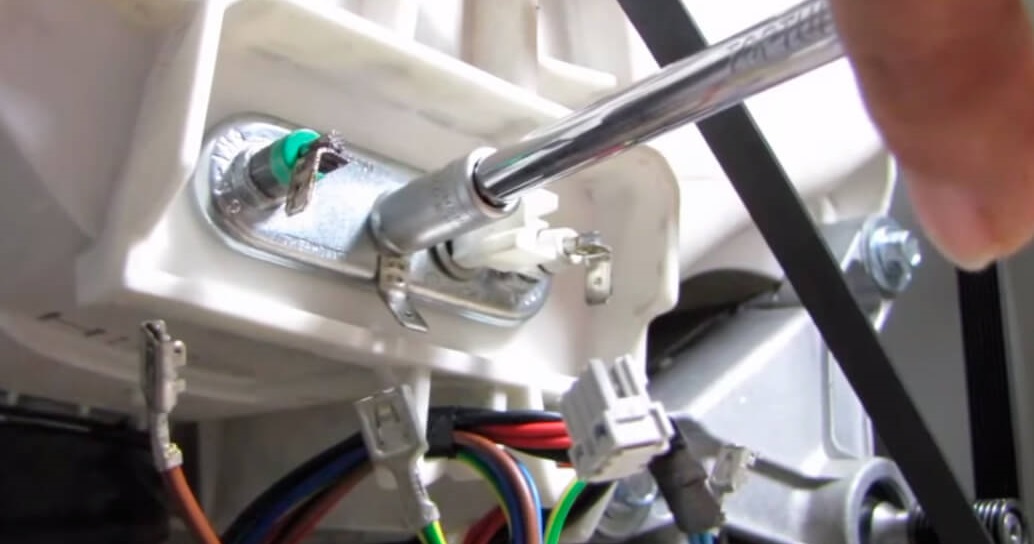
After installation, be sure to run a test cycle to assess the work done. You can subjectively test the water heating, or you can wrap a baby thermometer in a cloth and place it in the washing machine drum. An empty cycle without a wash at a high temperature will clearly demonstrate whether the heating issue has been resolved. Once the wash cycle is complete and the rinse cycle begins, stop the cycle and drain the used water.
During the test, do not let the machine run the rinse cycle, as it will drain all the hot water and fill with cold water, which will affect the thermometer readings.
If you've done everything correctly, the baby thermometer will show the correct temperature. And if it matches the selected temperature for the operating cycle, the heating issue is resolved.
Does Calgon protect the heating element of the machine?
All that remains is to examine the advertised method of preserving the heating element using Calgon household cleaning products. The brand's representatives warn users that without their product, the washing machine will quickly become coated with limescale, leading to the failure of the heating element and then the entire "home assistant." To avoid this dire situation, many housewives obediently add Calgon to every wash, but many experts believe this is completely unnecessary.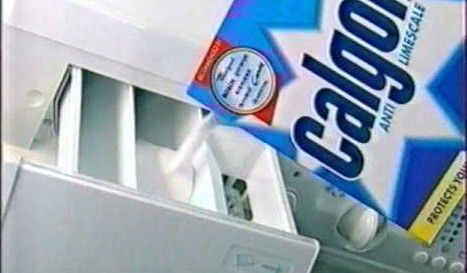
The fact is, scale doesn't directly affect the performance of a water heater. In fact, scale is considered one of the least common causes of heating element failure. It's far more important to address common operating errors rather than scale, as well as using a voltage stabilizer to avoid sudden power surges.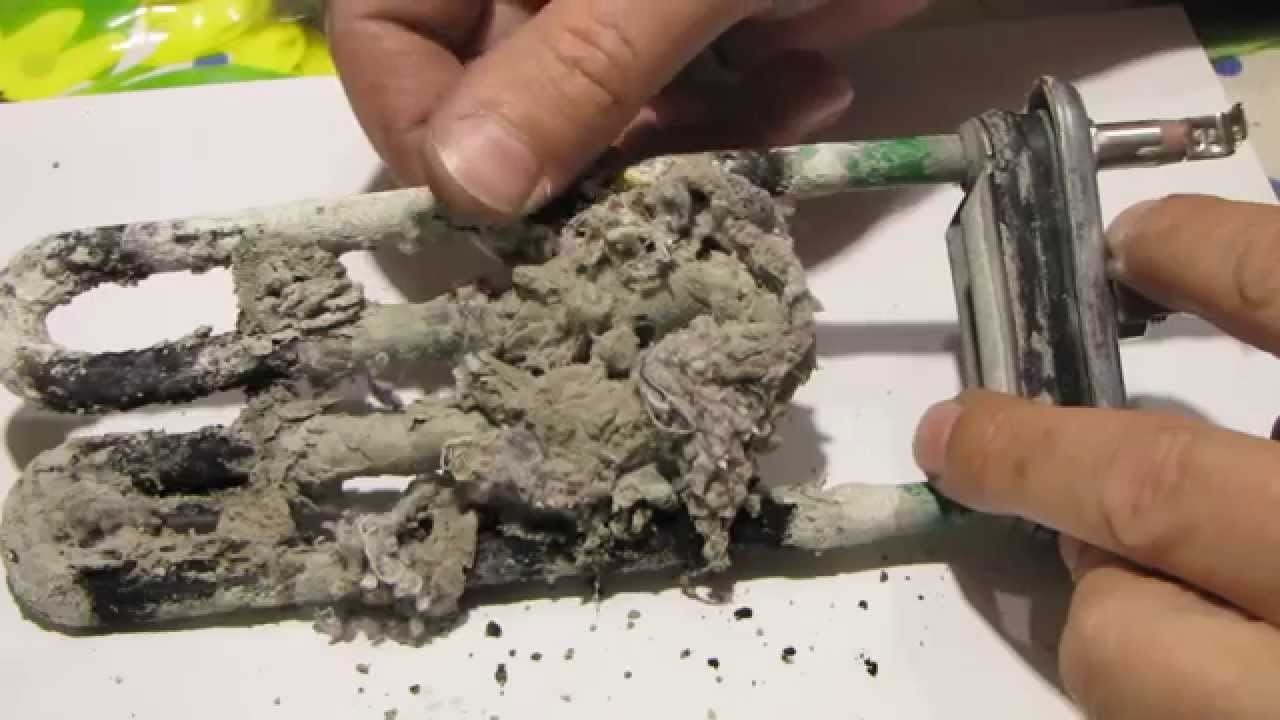
Furthermore, Calgon doesn't prevent scale formation, but only slows its development. Therefore, it's more effective to simply prepare a tap water filtration system. Finally, routinely cleaning your washing machine every six months and replacing your water heater every few years will be more effective and even cheaper than regularly using the aforementioned household chemicals.
So, Calgon can indeed help combat scale, but it's not a panacea, as the heating element will eventually fail. Therefore, it's best to regularly clean your "home helper" and use water filters that soften hard water.
Interesting:

Readers' comments
Headings
Washing machine repair




For buyers




For users


Dishwasher




Add a comment