How to replace the heating element in a Haier washing machine?
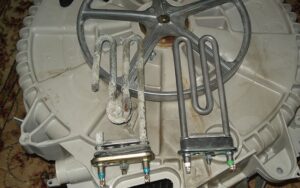
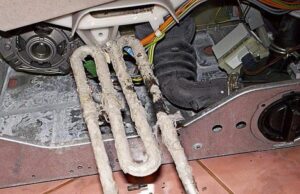
If the door glass remains cold after 20 minutes of a high-temperature wash, the water isn't heating up. In most cases, this is due to a faulty heating element. Operating a machine with a faulty heating element is dangerous, so it's important to check the element as soon as possible. Let's look at how to diagnose the problem and replace it if necessary.
We purchase the necessary spare part
You can replace the heating element in your Haier washing machine yourself, without calling a technician. This procedure is fairly simple and quick, and doesn't require any special knowledge. You don’t need any special tools either – you’ll need a screwdriver, a drill, a 10mm socket, and a multimeter. It's important to purchase the right heater. It's best to remove the faulty heating element and take it to the store. To avoid making the wrong choice, you should:
remember the marking applied to the tubular heater (the designation is engraved on the part);
Tell the sales consultant the serial number of your Haier washing machine.
It's crucial to determine the correct heating element wattage. Most Haier models have 1800-watt heating elements.
Original heating elements for Haier washing machines are expensive, around $25-27, so you can choose a cheaper alternative from the Indesit brand.
Indesit heating elements cost half as much. They are perfectly compatible with Haier washing machines in terms of power and design. Buying a new heating element for your washing machine is easy. You can order the part online from the manufacturer's website or from a direct reseller. Alternatively, you can contact a service center; specialists will help you select the right heating element.
Heater Replacement Instructions
Even a novice can replace the heating element themselves. The job takes about 15-20 minutes. It's crucial to follow safety precautions: before disassembling the machine, be sure to disconnect it from the power supply and turn off the water supply. The washing machine must be moved away from the wall to access the rear of the machine. The next steps are as follows:
inspect the back wall of the automatic machine, find the technical door (it takes up most of the panel);
take a screwdriver or a drill, unscrew the bolts located around the perimeter of the service hatch, and set it aside;
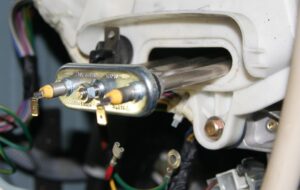
Find the heating element. It is located underneath the washing machine drum, on the left side;
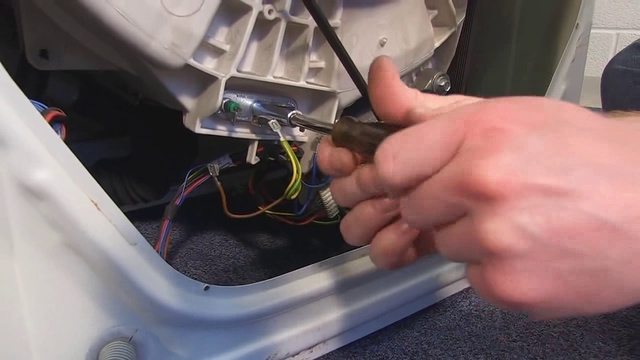
Disconnect the power terminals from the heating element. It's best to take a photo of the wiring diagram to avoid mistakes during reassembly;
disconnect the temperature sensor contacts;
take a 10 mm socket and unscrew the central nut of the heater;
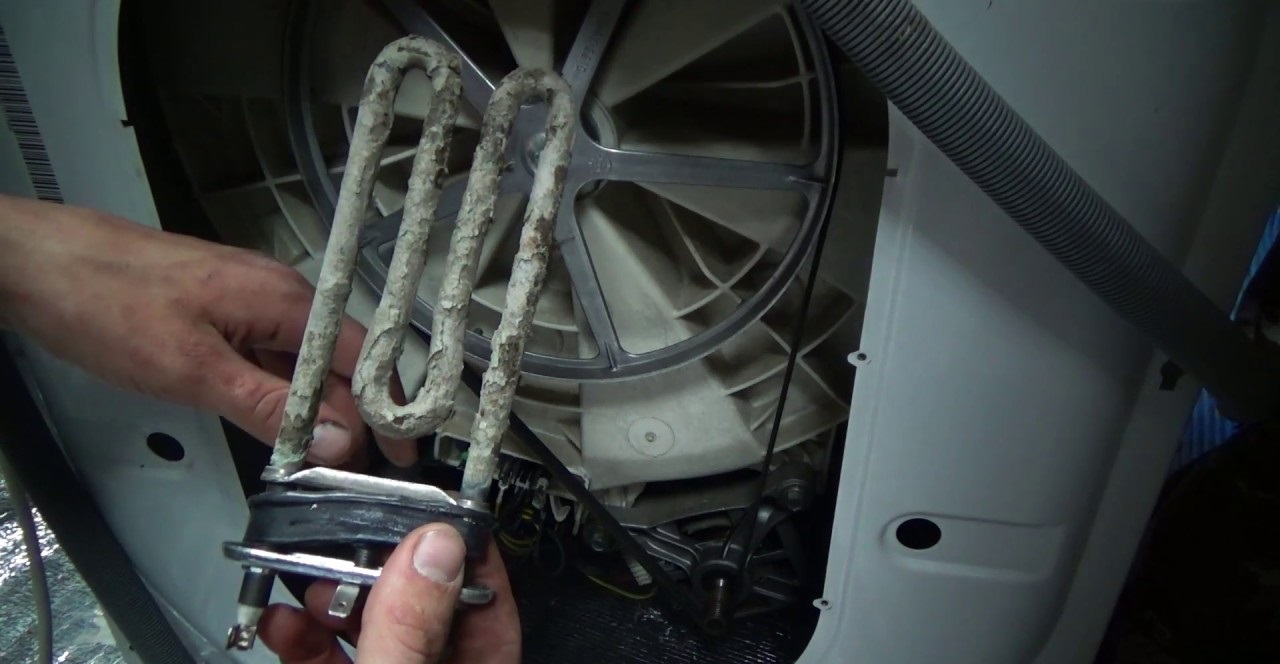
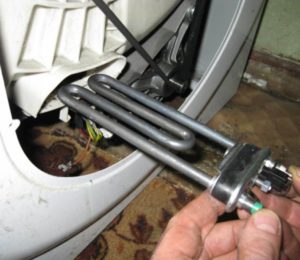
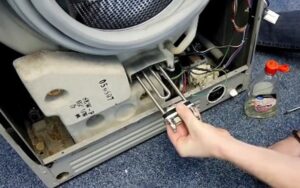
remove the heating element from the "nest".
It's worth noting that the temperature sensor is not removable from the Haier heating element. Therefore, when replacing it, you'll have to either buy a branded heater with a thermistor, or purchase a similar element from a different brand and figure out how to disconnect the thermistor from the original part. Then, you can proceed with installing the working tubular heater. Install the new heating element into its socket and secure it to the housing with a nut.
When installing a new heater, it is important not to overtighten the retaining nut, otherwise this will lead to deformation of the heating element seal and leaks in the future.
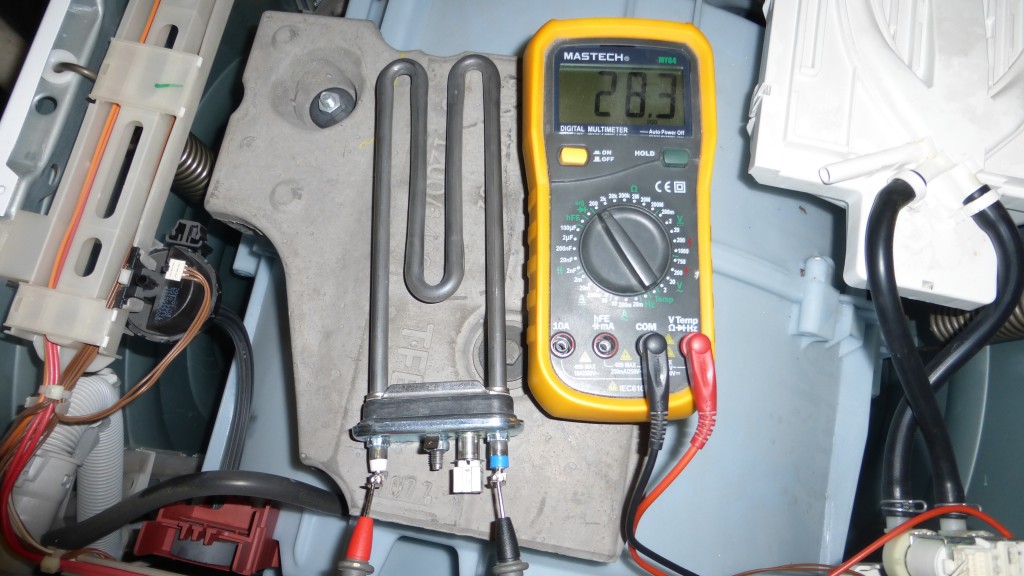
After securing the tubular heater, replace all the terminals. It's important to ensure the wires are positioned correctly, so it's best to refer to the photo taken earlier. Next, secure the access door by screwing all the screws back in. If you're unsure whether the heater is the problem, test it with a multimeter. A working heating element with a power of 1800 W should produce a resistance of 25-28 Ohms.
Set the tester to resistance measurement mode and attach the probes to the heating element contacts. If the display shows a value close to the specified value, the heating element is working properly. A one on the multimeter display indicates an open circuit within the element, while a zero indicates a short circuit.
Additionally, the heating element is checked for breakdown. Set the multimeter to buzzer mode, and place one tester probe on the heating element terminal and the other on the housing. If the device beeps, the tubular element is faulty. This is how you can replace the heating element yourself. After completing the repair, check the machine. Run a high-temperature wash with the drum empty, ensuring that the water is heating. Also, check for any leaks in the tubular element area. If everything is in order, you can use the washing machine safely.
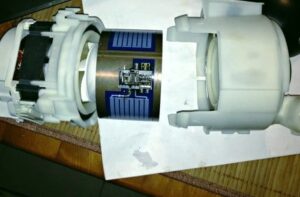
My positive wire fell off, the contact corroded and started to heat up, after which it fell off, I put in a new terminal, crimped it and everything worked.

 If the door glass remains cold after 20 minutes of a high-temperature wash, the water isn't heating up. In most cases, this is due to a faulty heating element. Operating a machine with a faulty heating element is dangerous, so it's important to check the element as soon as possible. Let's look at how to diagnose the problem and replace it if necessary.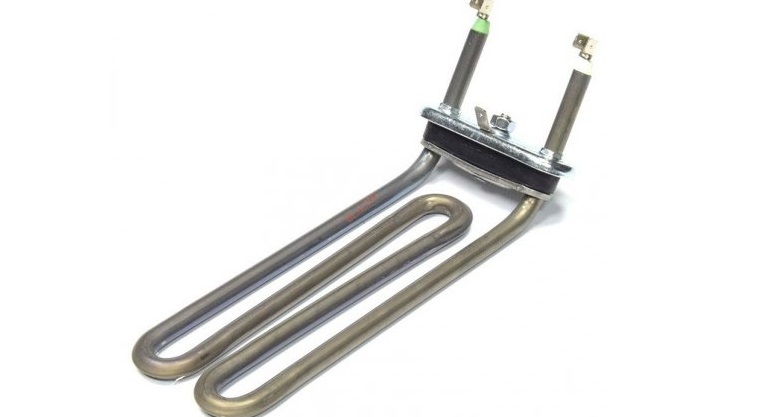















My positive wire fell off, the contact corroded and started to heat up, after which it fell off, I put in a new terminal, crimped it and everything worked.