
How to change the heating element on a Vestel washing machine?
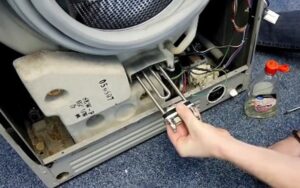 It's easy to tell if your washing machine's heating element has failed. The water in the drum will remain cold throughout the entire cycle, and the door glass will be coated with condensation. Many modern machines won't even start the wash cycle, displaying a corresponding error code. You can replace the heating element in a Vestel washing machine yourself, without calling a technician. The repair will take about half an hour, and all you need are a couple of screwdrivers, a small hammer, and a socket wrench. We'll show you how to remove the old heating element and install a new one.
We will find the detail
First, you need to understand where the heating element is located in the washing machine. If the machines Indesit or LG The heating element is located at the back of the machine Vestel - in front. Therefore, in this case, you will need to remove the front panel of the case, and it is a little more difficult to dismantle than the rear panel.
There are also some advantages to this heating element placement. Firstly, you won't have to move the machine too far away from the wall to access the rear panel. Secondly, there's no need to disconnect the drain and inlet hoses from the unit. If you decide to replace the heating element yourself, follow these steps:
- de-energize the washing machine by unplugging the power cord from the socket;
- turn off the valve that supplies water to the system;
- prepare a shallow container and a dry cloth;
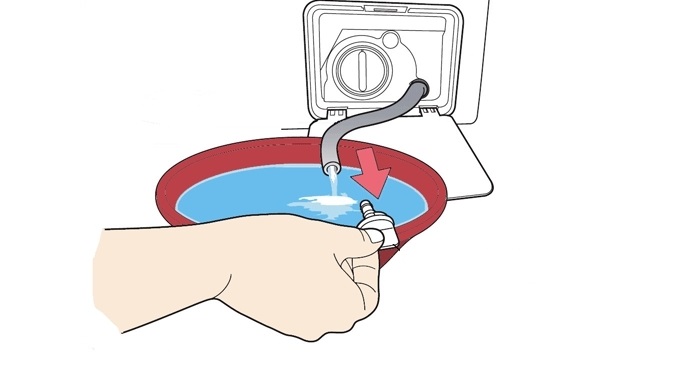
- open the technical hatch located in the lower corner of the body;
- Place a basin under the bottom of the machine in the area where the dust filter is located;
- unscrew the plug of the "garbage container" and collect the water that will start to flow out of the hole;
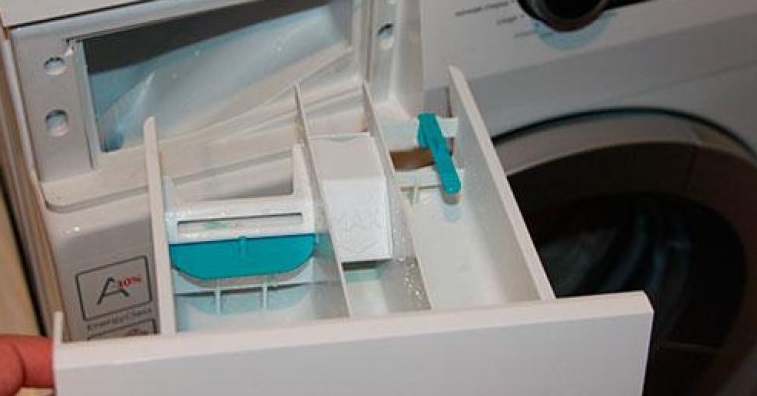
- remove the powder tray;
- Unscrew the 2 bolts holding the housing cover;
- move the top panel aside;
- unscrew a couple of screws that appear after removing the powder receptacle;
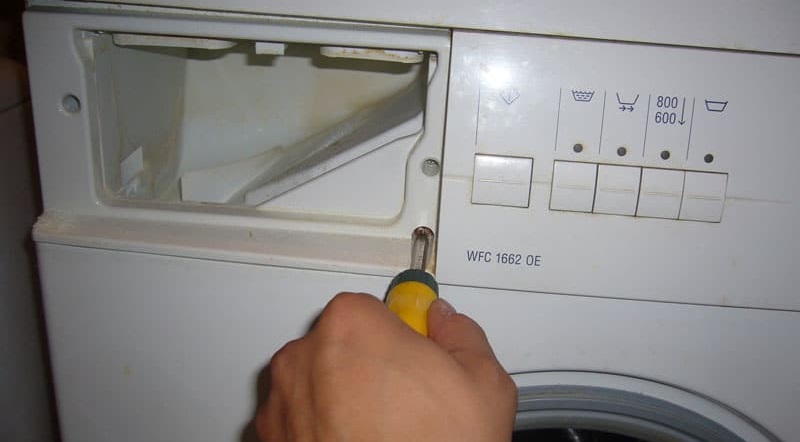
- remove the bolt located on the right side of the dashboard;
- Carefully place the control panel on top without damaging the wiring;
When lifting the dashboard, be careful, the wires are very flimsy and can be easily damaged.
- open the hatch door, use a slotted screwdriver to hook the cuff clamp, loosen the latch and pull the ring out;
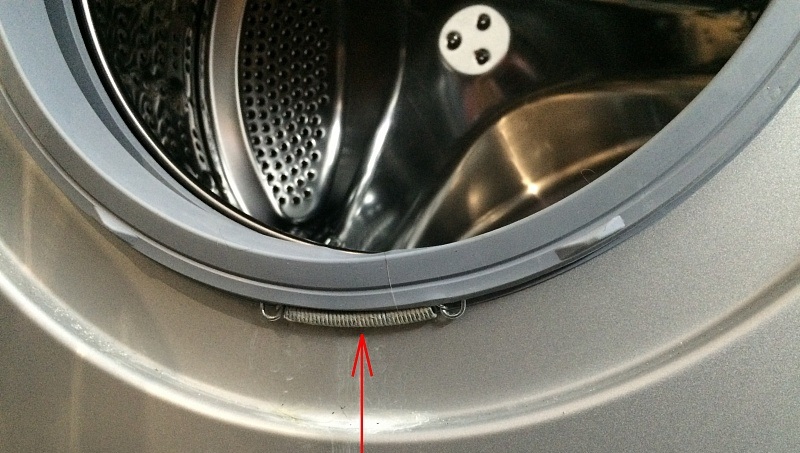
- tuck the sealing rubber inside the drum;
- Remove the remaining bolts holding the front panel of the case. They are located near the debris filter and in the control panel area;
- Now the front panel of the Vestel washing machine is held in place by only a couple of hooks. Grasp the bottom corners, gently lift, and remove it from the mountings.
- Place the panel to the side of the housing. Be careful not to damage the hatch locking device wires, which will follow the retractable front panel.
Once the front panel is removed, you can begin repairs. First, we recommend confirming that the problem is indeed with the heating element. A damaged control module or a faulty temperature sensor could be the cause of the water remaining cold. We'll explain how to check if the tubular heater is working properly.
Check the heating element carefully
There is always time to change the heating element, but first you need to check the part. To diagnose the heating element, you will need a multimeter. The tester should be set to resistance measurement mode. Then, disconnect all wiring from the tubular heater. It's important to proceed carefully to avoid damaging the contacts. Once complete, you can begin the diagnostics:
- apply the multimeter probes to both contacts of the heating element;
- look at the number displayed on the tester screen;
- Compare the values with the standard ones.
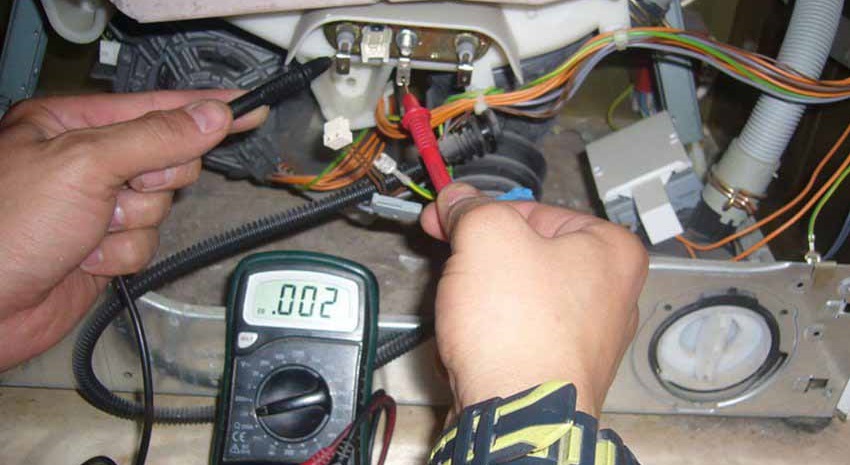
When the multimeter screen shows a value between 25-30 ohms, the tubular heater is working properly. If it displays 0 or 1, the heating element is faulty. You'll need to buy a new one and install it in place of the burnt-out one. In fact, the heater isn't the most expensive part in a Vestel automatic washing machine. A new one can be purchased for $10-15.
The heating element power of Vestel washing machines is usually 1800 watts.
When purchasing a heater, you should select it based on the model and serial number of your washing machine. Different Vestel washing machines have different heating elements, so be careful when purchasing. Ideally, take the faulty heating element with you to the store. A salesperson will select the appropriate heater based on the part's markings.
We remove the burnt-out heating element and install a new one.
Once you've purchased a working part, you can begin the replacement. You'll need a socket wrench to loosen the heater's central nut. Follow these steps:
- loosen the center mounting nut;
- grasp the contacts of the tubular heater;
- rock the part in different directions;
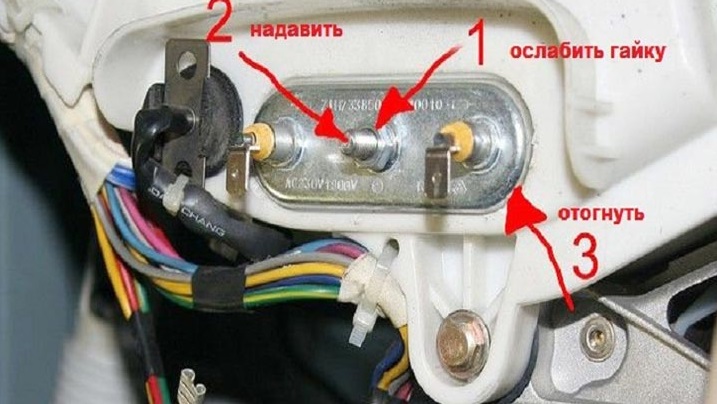
- Use a small hammer to tap the stud from which the nut was unscrewed. The bolt should fall inside;
- Using a slotted screwdriver, carefully pry up the heating element and move the heater from its seat;
- Pull the element contacts and pull it out.
After removing the heating element, inspect it. Most likely, the part will be covered in a thick layer of scale. There may also be black spots on the surface of the tubes, a clear sign that the element has burned out. Next, take the purchased part and use a multimeter to verify its proper functioning. Installing the heating element yourself is very simple: lubricate the rubber seal with machine oil and push the tubular heater into the "socket." Then secure the part with a nut.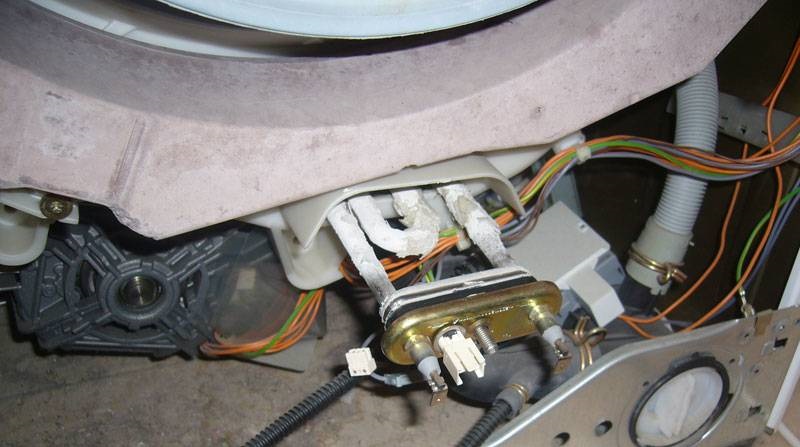
Once installation is complete, connect the temperature sensor contacts and the previously removed wiring. Next, all that's left to do is reassemble the washing machine body: hang the front panel, secure it with screws, attach the door seal, the control panel, insert the detergent drawer, and replace the top cover. Then, run a test wash and observe how your "home helper" performs.
To ensure your new heating element lasts as long as possible, it's important to periodically descale the inside of your washing machine with a special descaling product. It's also a good idea to install a filter to soften hard tap water—this will prevent limescale from accumulating on the machine's parts.
Let's clean out the trash from the bin at the same time.
Not everyone knows that debris constantly accumulates at the bottom of any automatic washing machine's drum. This could include pieces of limescale, soggy paper, buttons, pins, paper clips, coins, and other foreign objects. The more debris accumulates, the higher the risk of future problems with your "home helper."
When changing the heater, it is better to take the opportunity to clean the tank of debris at the same time.
The hole created by removing the heating element is quite large. You can use this "hole" to manually remove any debris that has fallen into the machine's tank. What should you do? You can simply reach into the hole and scoop out whatever has accumulated at the bottom of the centrifuge. Another option is to use a spoon to scoop out the debris. A clean tank is the key to the normal operation of an automatic washing machine. Therefore, this recommendation should not be neglected.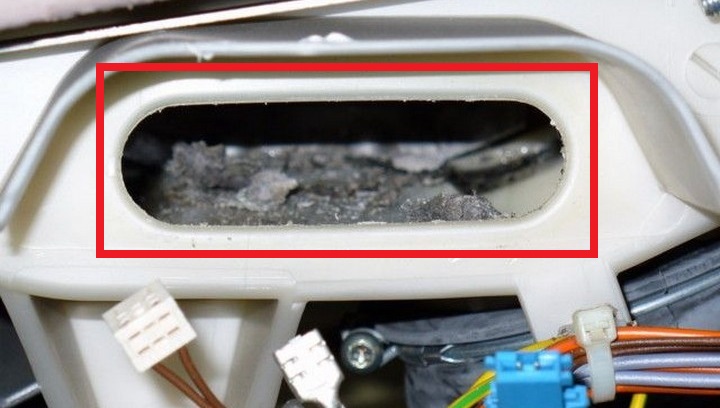
Now even a novice can understand how to check the heating element of a Vestel washing machine and, if necessary, replace it. The job won't take much time if you follow the instructions strictly. Therefore, if you notice that your washing machine isn't heating, don't rush to call a repairman; try repairing your "home helper" yourself. If replacing the heating element doesn't help and the machine still isn't heating, a more extensive diagnosis is required. The problem may be a communication problem between the heating element and the control board. It's best to call a repairman to check the electronic module; tinkering with the washing machine's internals yourself is not recommended—it could only make the situation worse.
Interesting:

Readers' comments
Headings
Washing machine repair




For buyers




For users


Dishwasher




Add a comment