
What can I use instead of dishwasher detergent?
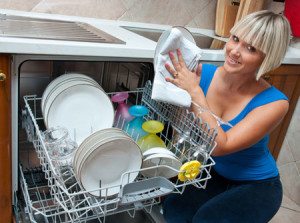 More and more housewives in our country are starting to use dishwashers, appreciating the convenience and time- and energy-saving benefits of their "iron helper." However, using a dishwasher comes with additional costs, as salt and detergent are constantly needed, and both are quite expensive. This raises the question: can they replace their dishwasher detergent with something cheaper but equally effective, and if so, what should they use? We'll answer this question in this article.
What dishwasher detergents does the manufacturer offer?
Hundreds of different dishwasher detergents are available in stores today. But even if you choose the cheapest ones, if you use your dishwasher regularly, you'll spend an additional $20-$30 on detergents per year. And you also need dishwasher salts, which should also be considered absolutely necessary consumables, because if you don’t add salt to your car, it will quickly break down.
Manufacturers create and sell detergents in three main forms:
- powder;
- gel;
- pills.
The most popular and effective are tablets; they dissolve gradually layer by layer, providing excellent dishwashing quality. But you'll also have to pay twice as much for this quality. If you use your dishwasher heavily, you'll need about $60 worth of tablets per year. That's a price that might give some pause. Gel is priced between tablets and powder, with powder being the cheapest option.
Please note: Our calculations were based on the prices of the cheapest tablets, gel, and powder as of spring 2016.
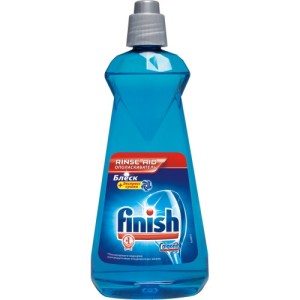 If you use powder or gel, you'll need to use dishwashing liquid rinse aid at least occasionally to prevent streaks. So, we'll need to add another $10 per year for rinse aid to the $2,000–$3,000.
Let's draw a conclusion. The minimum annual cost for store-bought dishwasher detergent is $20–$30, plus about $10 for salt and $10 for rinse aid. The total is $40–$50 per year. A family of three spends roughly the same amount on electricity over six months. It's a bit much, but what can you do? You can't use a washing machine without salt and detergent. You can try finding alternatives to store-bought detergents, but there are some caveats.
Homemade Dishwashing Powder: Pros and Cons
As the saying goes, "necessity is the mother of invention," and our thrifty housewives have found a solution here too, coming up with their own recipe for dishwasher detergent. They claim that a homemade detergent will cost you no more than $7 a year. To make your own, you'll need:
- washing soda or baking soda;
- regular dry mustard;
- The cheapest powder for washing white clothes.
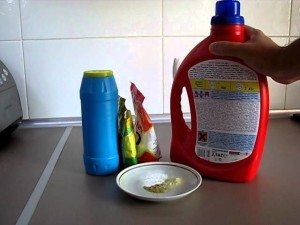 The ingredients should be mixed in the following proportions: baking soda – 100 g, mustard – 30 g, powder – 30 g. The resulting dry mixture should be stored in a tightly sealed glass or metal container in a cool, dry place. The mixture can be stored without problems for up to 6 months. Before washing dishes, pour household detergent into the powder compartment, and then run the washing program as usual.
What are the benefits of homemade detergent?
- Price. Homemade powder is very inexpensive and won't put a strain on the family budget.
- Eco-friendly ingredients. Cheap store-bought detergents contain a lot of harmful chemicals, but homemade detergents are completely eco-friendly.
- Easy to prepare and store. You can make this remedy yourself, very quickly and effortlessly.
- The ingredients for homemade powder are readily available and can be found in every home.
There are many advantages to homemade laundry detergent, especially its low cost, but there are also disadvantages that should be taken into account. Powder and mustard are harmful to the dishwasher. During testing of the homemade powder, it turned out that after just the third wash, the nozzles of the dishwasher impeller became clogged with mustard and had to be cleaned with a toothpick.
Overall, this product is passable; if you alternate it with store-bought tablets or gel, it's perfectly acceptable for washing dishes. It cleans dishes well, but to avoid streaks on plates and cups, you need to use rinse aid. You can use this homemade product constantly, but in this case, you'll need to clean your dishwasher regularly—about once every 4-5 washes.
Important! If you use homemade mustard powder regularly, it's best to reduce the mustard concentration to 20 g.
Looking for a replacement for dishwasher rinse aid
If replacing the detergent isn't as straightforward as described above and has its drawbacks, it's quite possible to find an inexpensive and completely safe alternative to store-bought rinse aid. Here's the recipe: take 100 g of water, add 50 g of any dishwashing liquid and 30 g of ethyl alcohol, mix everything gently, and you're ready to use. Never shake the rinse aid; if it sits for a while, stir it gently again before using.
Incidentally, housewives who use homemade dishwasher rinse aid claim that in some cases it can even replace dishwashing gel (if the dishes aren't too dirty). It's a two-in-one product: rinse aid and detergent in one.
Important! Don't increase the concentration of dishwashing detergent to water, as this will cause the homemade rinse aid to foam excessively. To prevent foaming, you can add more alcohol.
How to make homemade dishwasher tablets?
Now that we've figured out how to replace powder and rinse aid, we need to figure out what dishwasher tablets are. Is there an effective alternative? Let's be clear: making modern 3-in-1 tablets at home that dissolve layer by layer throughout the wash cycle isn't possible, and perhaps it's unnecessary. However, creating a replacement for simple, classic tablets (like Finish Classic) is entirely possible. What should you do?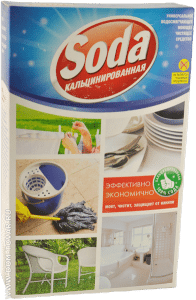
We prepare the ingredients for future tablets:
- 200 g of soda ash;
- 100 g of common borax;
- 100 g Epsom salt;
- 100 g freshly squeezed lemon juice.
Making tablets from these ingredients is simple. First, pour the baking soda, borax, and salt into a bowl and mix everything together. Then, while continuing to stir, gradually pour in the lemon juice. The mixture will begin to fizz, but continue stirring and adding the juice.
Once the mixture stops fizzing, take the ice cube trays out of the refrigerator and pour the mixture into them. Next, place the trays in direct sunlight. In a pinch, you can place them on a hot radiator, but direct sunlight is preferable. Once the mixture has dried, you can remove the finished tablets. Store tablets in a dark, dry place out of the reach of small children. This product is ideal for washing dishes; it can easily replace simple, cheap tablets.
In conclusion, homemade detergents can be a great alternative to store-bought powder, gel, rinse aid, or tablets, and they're quite inexpensive. However, it's important to understand that using such products in your expensive dishwasher is a risk. Moreover, dishwasher manufacturers strictly prohibit the use of homemade detergents. Ultimately, the choice is yours!
Interesting:
3 reader comments
Add a comment
Headings
Washing machine repair




For buyers




For users


Dishwasher




If you're adding the cheapest laundry detergent for whites to your homemade laundry detergent, how is that the most environmentally friendly product? Just wash with washing soda without any other detergents; it'll clean just as well, but you won't end up eating laundry detergent residue off your plate!
A recipe for using dishwasher detergent with regular laundry detergent is not only unfriendly, it's also stupid. And as for using a rinse aid containing dishwashing detergent, it's important to remember that rinse aid is the last thing in the dishwasher cycle, so it doesn't get rinsed off. Rinsing off laundry detergent with dishwashing detergent is idiotic. It's better to use baking soda instead of dishwasher detergent and vinegar to neutralize the alkalinity at the end, instead of rinse aid.
Tanya and Lena really picked up on these nuances! Thank you.