
Replacing the washing machine inlet hose
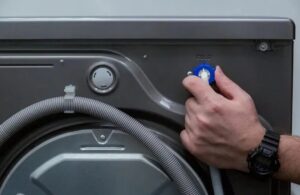 The pressure inside a washing machine's inlet hose is so strong that even the slightest damage can cause all the water to rapidly leak out. Worst of all, if the owners are away when the leak occurs, they risk not only damaging their expensive flooring but also flooding their downstairs neighbors. Forewarned is forearmed, so it's best to replace your washing machine's inlet hose in advance if it's frayed or has other visible damage that could cause a flood. Let's look at the best way to do this yourself.
We remove the old hose and install a new one.
Replacing the inlet hose typically takes no more than 20 minutes, so you can complete the task without professional help or even tools. The most important thing is to follow basic safety precautions. First of all, you need to turn off the water supply to the washing machine and cover the floors with rags or old towels to avoid damaging the floors. After this, you should disconnect the equipment from the power supply and move it away from the wall so that you have free access to the rear panel.
Be careful not to accidentally tear the drain hose off the washing machine while moving it.
If you've already shut off the water, you can safely unscrew the plastic nut on the inlet hose from the housing, having first prepared a container for the waste liquid remaining in the system. A basin or bucket will be useful for submerging the end of the hose and draining any remaining water. Once the liquid has drained, unscrew the similar nut on the other end of the inlet hose, which is attached to the tee valve.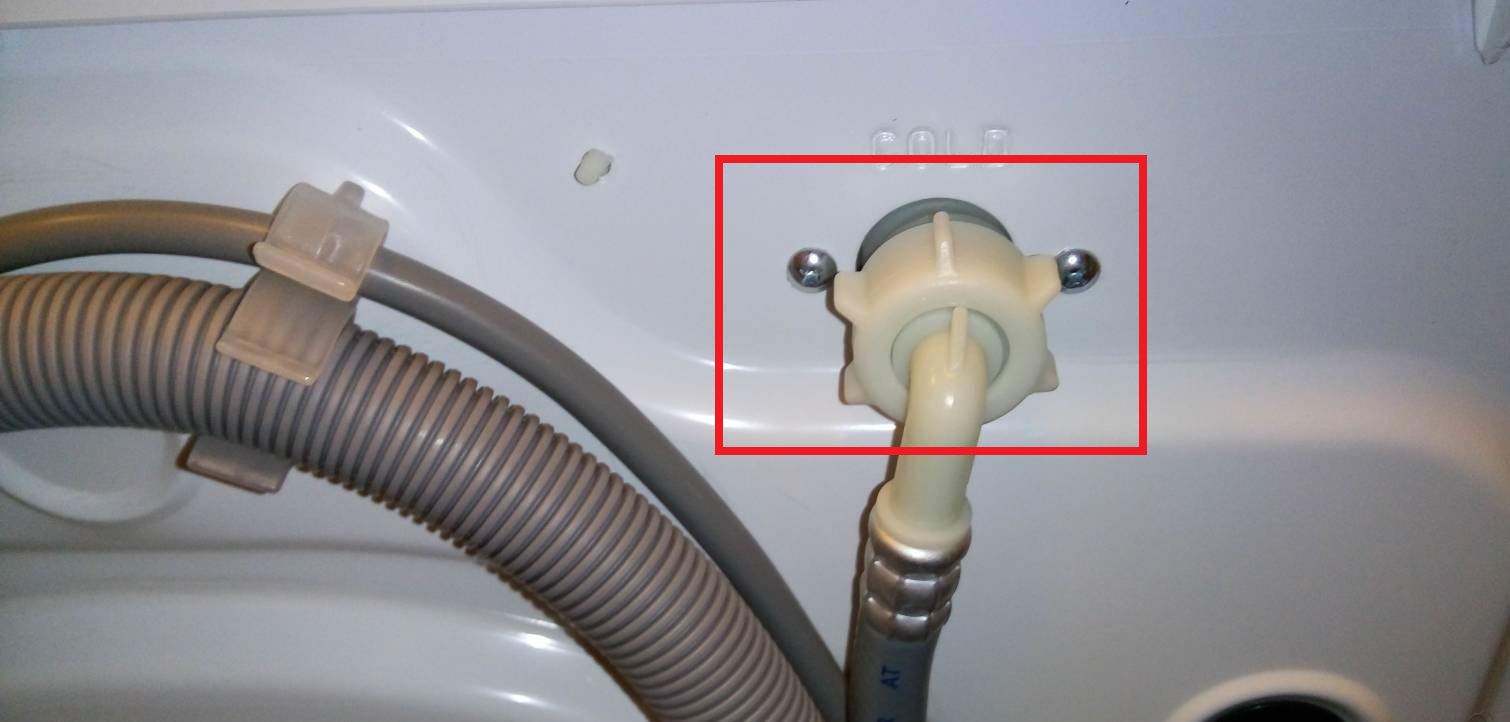
Now all that's left to do is install the new element in place of the damaged hose. First, install the rubber seals, which are usually included with the hose. Next, clean the threads of the tee valve, wrap some tape around it, and screw the nut onto one end of the filler hose. Never use tools to tighten the plastic nut, as this can damage the fragile element by deforming it or stripping the threads. Instead, simply carefully tighten the retainer by hand.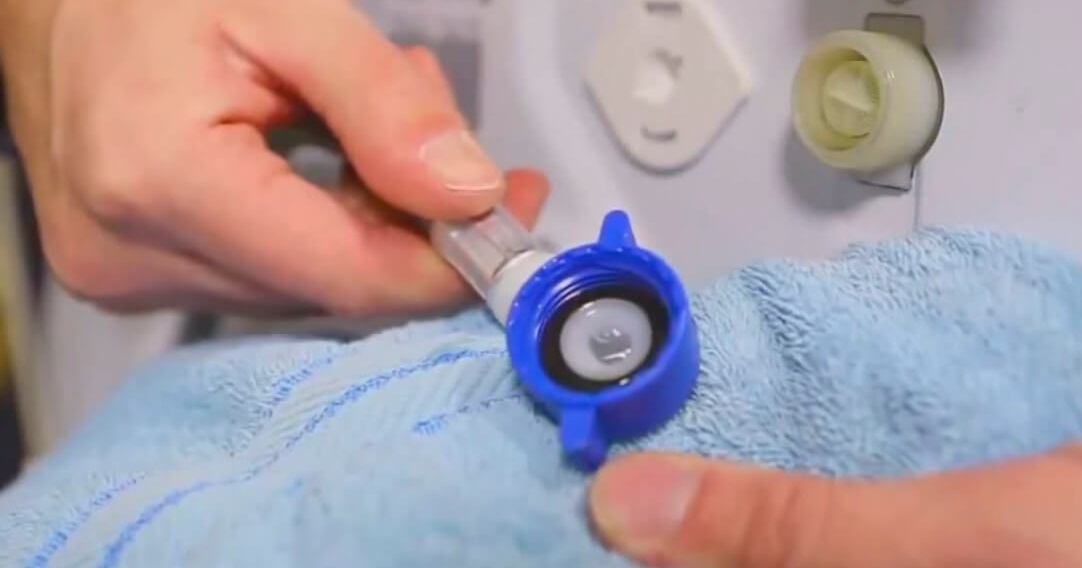
Next, install the other end of the hose onto the washing machine. This should also be done carefully, without using tools. Be sure to not insert it past the threads and cause a leak during the first cycle.
This completes the inlet hose replacement, and all that's left to do is reconnect the appliance to the water supply, sewer, and power lines, then test the connection using a dry cycle. Don't rush to move the appliance back to the wall; it's important to monitor its operation for at least 15 minutes, as sometimes the hose doesn't leak immediately, but rather during the wash cycle.
Choosing the right hose
To ensure a successful replacement, you need a high-quality inlet hose that's a perfect fit for your "home helper." To do this, you need to know what components are available on the market.
- A regular rubber hose. This is the cheapest option, allowing you to save money, but it's not of good quality, so it's best avoided.
- Reinforced drain hose. This hose features a reinforced wire layer and a nylon liner. This corrugated hose doesn't provide 100% leak protection, but it's certainly much more reliable than a standard rubber hose.
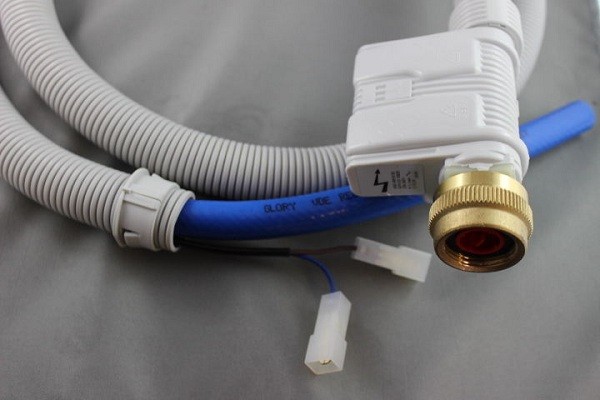
- The Aquastop double hose with leak protection. For washing machines, there's no better option than a similar inlet hose with a special block protecting the user from leaks. This block, with its absorbent or valve, makes the hose a bit pricey, but the high level of protection justifies the high price.
A hose with this type of protection can only work once, so after a leak it needs to be replaced.
Floor repairs and compensation for damage to neighbors will cost much more than just a single inlet hose, so experts advise against skimping on this component and instead choosing the best option. It's also worth considering that adjustable-length hoses are available on the market. For example, the following models are common today:
- ordinary hoses without adjustment, which can be from 1 to 5 meters in length;
- special hoses that can be stretched to the required length;
- Hoses in coils, suitable for situations where equipment is located far from utility lines. Moreover, such elements can be up to 10 meters long.
As you can see, finding a spare part is easy if you calculate the required hose parameters in advance. Try to buy original washing machine parts, avoiding cheap counterfeits that can cause flooding.
What to look for when choosing a hose?
Nowadays, it's very easy to purchase any washing machine components, not only in appliance and spare parts stores, but also online. Before purchasing, be sure to consider a few factors.
- Length. Since it's prohibited to extend the length of the inlet hose, you should select a hose that's large enough to connect the washing machine to the water supply. Furthermore, the hose should be long enough to avoid excessive tension and kinking. Therefore, before purchasing the hose, carefully measure the distance from the utility lines to the washing machine.
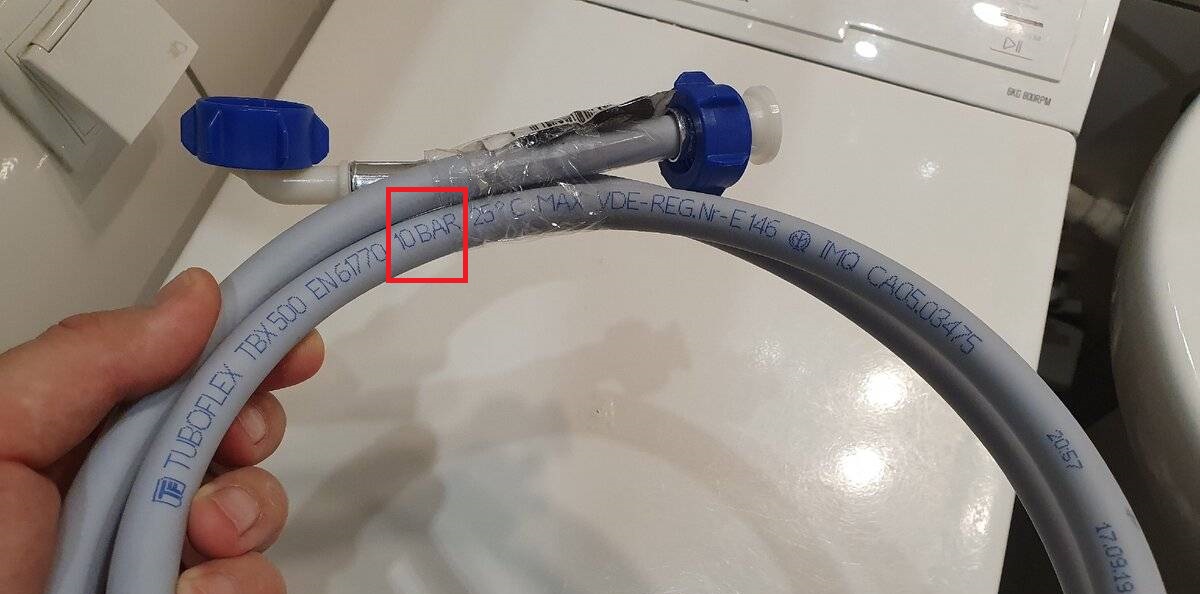
- Maximum pressure. This rating is usually written on the hose itself, making it easy to find. Since water pressure in the pipe fluctuates frequently, the inlet hose must be able to withstand it. Therefore, for safety reasons, it's best to purchase a part with a reserve. For apartment buildings, it's recommended to purchase a product with a pressure rating of 10 bar, and for single-family homes, 20 bar.
Since most Aquastop leak-proof hoses can withstand pressures up to 20 bar, they can be safely installed not only in apartments, but also in private homes.
- Maximum temperature. Finally, it's important to consider the water temperature the hose can withstand. If it's not protected from hot water, it will quickly fail. Make sure the hose can handle hot water up to 90-100 degrees Celsius to avoid damaging appliances and repairs.
Don't skimp on a water inlet hose, as it's the component that determines the safety of your home. The best leak-proof hoses start at $15, but it's well worth the investment, as such a purchase can save you tens or even hundreds of dollars. Don't rush before purchasing; carefully select products based on length, temperature, and pressure rating. Finally, try to buy products designed specifically for the brand of your "home helper."
Interesting:

Readers' comments
Headings
Washing machine repair




For buyers




For users


Dishwasher




Add a comment