
The washing machine smells like sewerage.
 Washing machine owners sometimes encounter this problem: a sewer-like odor emanating from the machine, even though it's being used properly and with high-quality detergents. This is unacceptable, and they must urgently determine the cause of the sewer smell and decide what to do to eliminate it.
What causes sewer odor?
A foul odor doesn't arise by chance. It's a consequence of larger problems with the washing machine. There can be several reasons why household appliances become the source of a foul odor.
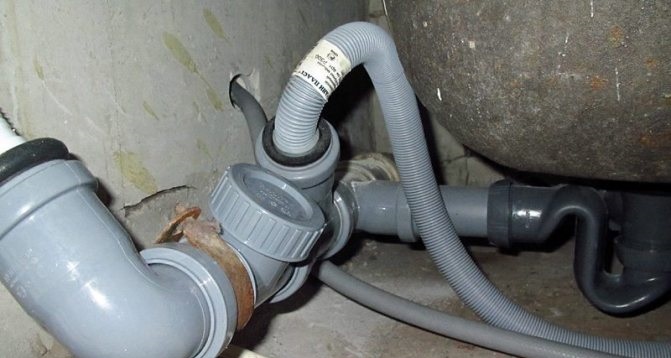
- The most common malfunction is an incorrectly connected drain hose. A washing machine can operate without problems for a long time without a problem. However, if a sewer smell comes from the drain, this indicates a missing water seal. The system is connected to the interior of the appliance, and sewage pipes can leak waste into the machine's drum. This poses a health risk, as waste can remain on the laundry.
- The washing machine operates in economy mode, at an excessively low water temperature and a shortened rinse program.
Important! Under these conditions, pathogenic microorganisms, including bacteria, are not eliminated but remain within the equipment.
- Closed door. If the drum is not ventilated after washing, it creates an environment conducive to the growth of bacteria and fungi.
Dirt and buildup on the components and inner walls of the washing machine's pipes can also pose a serious problem. Firstly, they're very difficult to reach and clean. Secondly, it's impossible to look underneath the drum, which may appear clean on the outside, to check for dirt. High humidity, which promotes the growth of microorganisms, makes the situation worse. If dirt and moisture aren't removed, the sewer smell will only worsen.
Algorithm for eliminating stench
Once the cause of the problem has been identified, all that's left to do is eliminate the odor. To do this properly, you can follow the advice of experts. They recommend a number of steps.
- Check the washing machine's connections. In some cases, simply replacing the pipes is sufficient. If the drain hose smells unpleasant, clean it and position it so it sags slightly, forming a "U" shape. This will create a water seal that will separate the system from the machine. Additionally, you can install a check valve (some models don't include one).
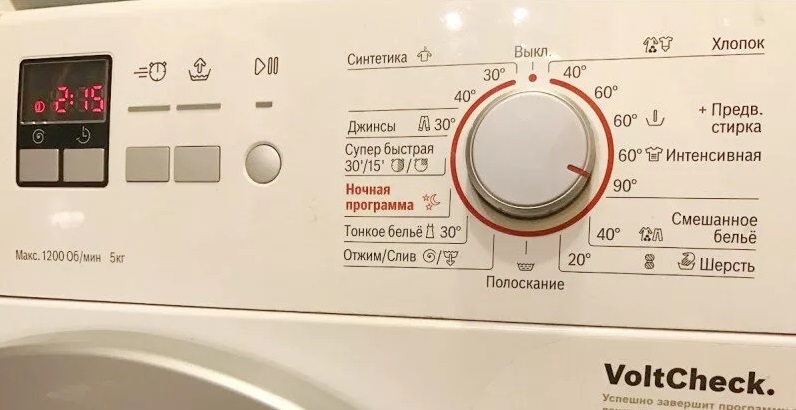
- Wash on an intensive cycle. These cycles should be used periodically to remove any buildup of microorganisms.
- To prevent unpleasant odors, experts recommend remembering to open the door after each wash. Leaving a small gap is sufficient. In addition, you should use high-quality detergents for washing and check pockets before putting items in the drum.
How to avoid bad smell in the future?
If your washing machine smells like sewer, take immediate action. Perform preventative maintenance. This not only prevents unpleasant odors but also extends the life of the appliance's components. What procedures should you take?
- Before pouring powder into the tray, wipe its compartments thoroughly. It's also recommended to ensure the tray's housing and rubber seals remain dry.
- Another task worth performing regularly is cleaning the drain filter. It's located at the bottom of the appliance. Any organic contaminants should be removed from the drain filter promptly. This will prevent odors and component damage.
- Every month, it is recommended to run the “Boil” program and add chlorine-containing detergents to the powder dispenser.
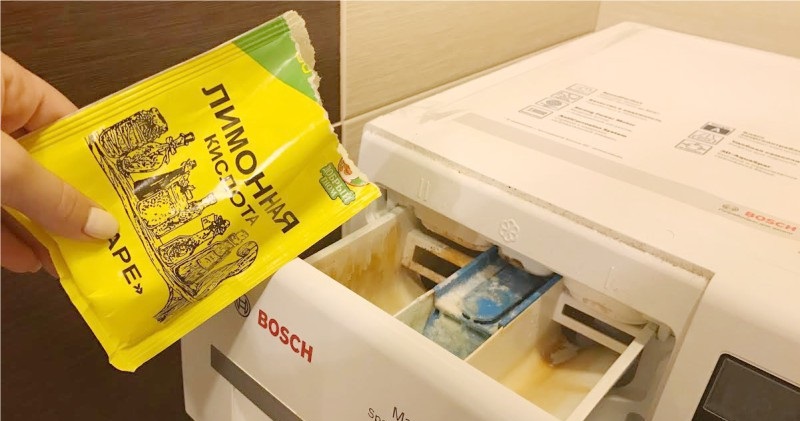
- The heating element should be cleaned every two months. You can use citric acid or special cleaning agents for this purpose.
- It's best to wash your laundry with high-quality detergents. You don't have to use expensive powders and gels. You can find decent products in budget-friendly options.
Please note! Experts warn against overusing conditioners and rinses. They often cause buildup.
By following these rules, you can avoid worrying about your washing machine developing a sewer smell. Furthermore, the lifespan of parts, seals, and components will be significantly extended.
Interesting:


Readers' comments
Headings
Washing machine repair




For buyers




For users


Dishwasher




Add a comment