After replacing the brushes on the washing machine, a smell appeared.
Sometimes washing machine owners encounter an unpleasant problem: a smell after replacing the brushes. Is this due to a DIY repair gone wrong, or is it a normal reaction from the machine to the new part? Let's find out.
Where did the smell come from?
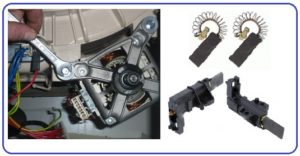
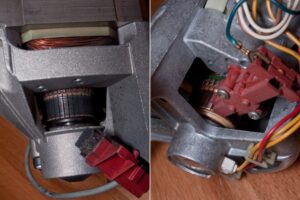
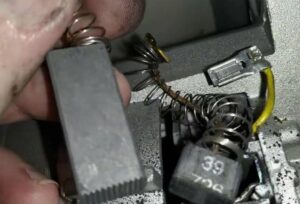
In fact, a distinctive burning smell after replacing the brushes in a washing machine's motor is completely normal. Current is supplied through the brushes, and their contact with the stator sets the motor in motion. However, the motor components are very tightly packed together, and the new brushes need time to "break in" with the motor stator. Once the graphite rods adjust to the "environment," the smell will disappear. This usually takes a few washes, or even less.
What should really be a warning sign is sparks appearing under the washing machine's body. If this happens after reinstalling the brushes, it means the elements were installed incorrectly, and if the brushes haven't been replaced in a while, they're likely worn out. In any case, don't delay, otherwise you risk damaging the motor or, worse, leaving the entire apartment without power.
Why do brushes fail quickly?
Natural wear and tear on brushes is unlikely to be the cause of their rapid failure—these elements are typically designed for long-term operation. However, many other factors can indeed trigger premature failure, so it's important to identify the causes and address them.
The most common cause is overloading the washing machine drum, which causes the motor to overheat and all its components to quickly become unusable.
Power outages. Power surges negatively impact all electrical components of the washing machine, including the brushes.
If moisture somehow gets inside the motor, this also disrupts the natural contact, causing the brushes to overheat.
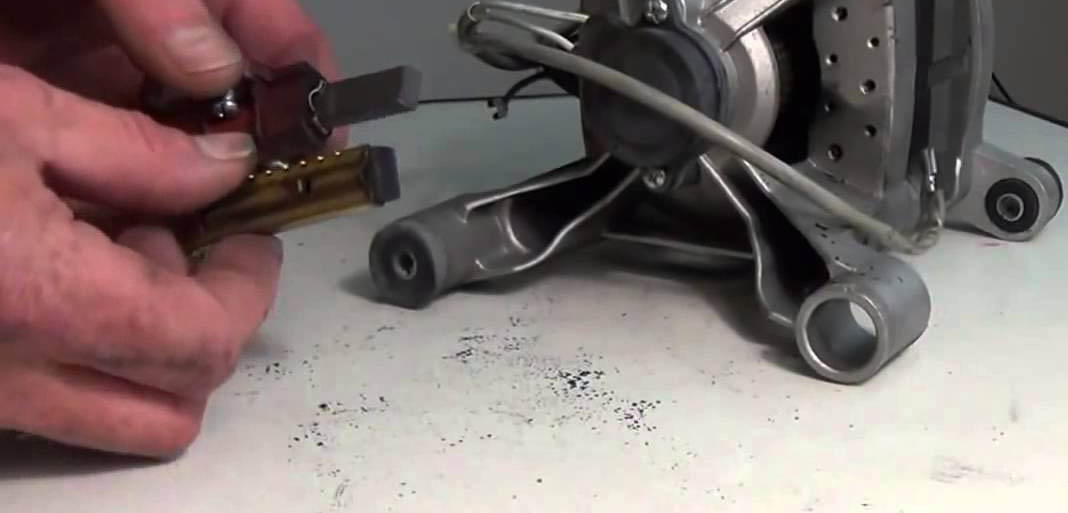
When any element mechanically rubs against metal, so-called metal-abrasive dust is produced. If the washing machine is installed incorrectly or for other reasons, powder may accumulate inside the motor and interfere with proper operation.
The above factors can not only cause premature wear of brushes or other parts of the electric motor, but also lead to chipping of brush pieces, which is much more serious.
How do you know when to change your brushes?
Since brush wear that's not diagnosed in a timely manner can cause a variety of serious problems, the question naturally arises: how do you know when replacement is necessary? After all, constantly changing brushes just for preventative purposes is energy-consuming and unprofitable. The following signs can help:
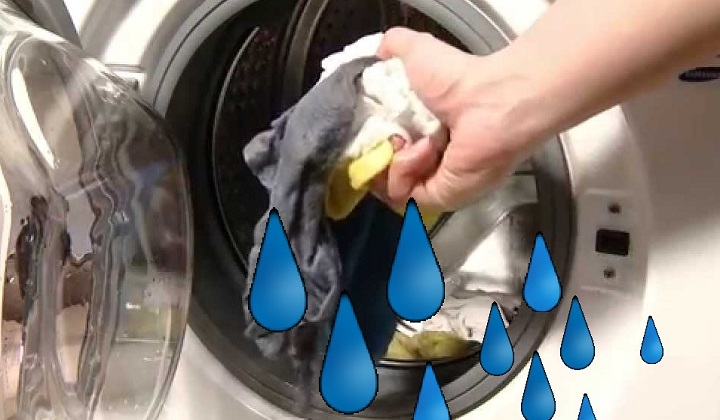
You're removing wet laundry from the machine even at high spin speeds. This indicates insufficient motor power, which may be directly related to worn brushes.
unusual sounds (humming and crackling) coming from the place where the motor is installed when the machine is running;
unexpected stop of washing;
if sparks are flying out from under the washing machine body, smoke is coming out, or a strong burning smell is emanating from the entire unit, despite the fact that the brushes were changed a long time ago;
The corresponding error code appears on the washing machine's display. Modern washing machines are typically equipped with a self-diagnostic system, allowing the user to pinpoint the problem and focus on repairs rather than troubleshooting.
Important! Most washing machines don't have a specific error code for brush problems, but they do have one for motor issues! For example, for German Bosch washing machines, this code is the letter E or F21.
In any case, artificial intelligence is not yet capable of accurately determining the causes of a washing machine's malfunction, so the user must be prepared to conduct inspection and diagnostics independently.

 Sometimes washing machine owners encounter an unpleasant problem: a smell after replacing the brushes. Is this due to a DIY repair gone wrong, or is it a normal reaction from the machine to the new part? Let's find out.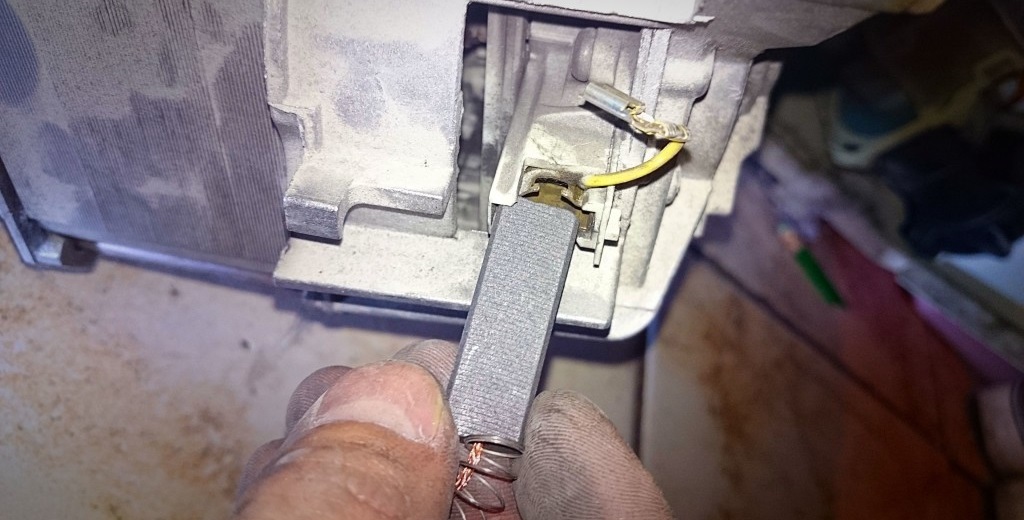















Add a comment