
My LG washing machine smells like rubber.
 Most users aren't surprised by the rubber smell coming from their LG washing machine. Many are accustomed to the smell of a new appliance initially emitting from factory lubricants and worn rubber seals. Low-quality plastic often adds to the odor. But sometimes a rubbery smell signals a malfunction. Delaying repairs is dangerous – a comprehensive diagnosis of the machine and troubleshooting is necessary as soon as possible.
Where does the stench come from?
Newly purchased appliances often smell of rubber and plastic, including LG washing machines. This is usually normal. When the machine is first started, the rubber components are actively rubbed in, which is accompanied by a burnt smell, creaking and humming. This break-in period lasts 2-3 cycles, after which the washing machine “gets used to it” and stops emitting odorous vapors.
Make sure there are no problems with the electrical wiring: power cord, wires or socket!
The key is to distinguish the smell of grinding compound from a burning smell. Often, the smell isn't caused by rubber components, but by damaged wiring: burnt insulation, a hot cord, or an outlet. This is more dangerous—immediately disconnect the power to the machine and thoroughly inspect the electrical connections. A washing machine can also emit a "plastic odor" when other appliances are malfunctioning. The drive, drum, seal, motor, low-quality parts, and detergent are often the cause of the unpleasant odor.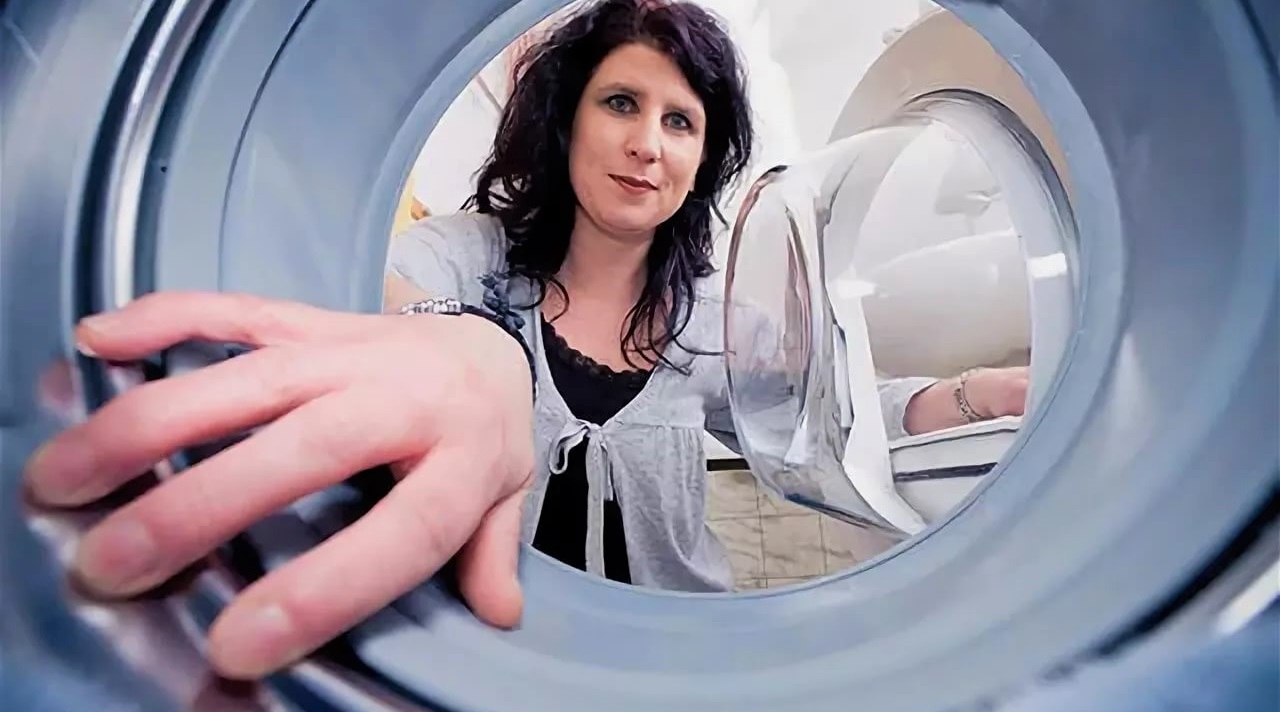
- Washing tub. The container is made of polymers that release plasticizers and chemical additives when heated. Over time, the odor disappears.
- Drive belt. If the rubber band is not tensioned correctly, it will heat up as the pulley rotates and start to smell. This requires intervention: adjust the "rim" position or replace it.
- Cuff. The rubber polymer seal may smell when heated. This is completely normal and will disappear after the third or fifth wash.
- Low-quality spare parts. Cheap plastic inevitably emits chemical fumes at high temperatures. The worse the materials the car is made of, the stronger the smell of burnt rubber.
- Detergent. Often, the cause of an unpleasant odor is a poor-quality detergent. It's worth replacing the detergent after a few cycles and checking.
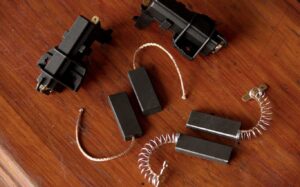
- Motor. Initially, the motor's electric brushes will smell—their carbon tips rub against the motor housing. A smell also occurs when the fuel tank leaks and water comes into contact with hot components of the running electric motor.
It's important to understand why your washing machine smells like burning plastic or soot. The steps are simple: first, rule out wiring issues, then sequentially check all possible causes of the smell. A detailed action plan is provided below.
Preliminary actions
If your new LG washing machine starts to smell, don't rush into disassembling it. First, don't forget about the rubber components' settling in and the chemical fumes. Most likely, after 2-3 washes, all the vapors will evaporate on their own. Secondly, remember about the warranty – for 6-12 months after purchase, do not open the case without a specialist, otherwise you will lose the right to free service of the machine.
The best solution is to wait. The main thing is to make sure the electrical connections are intact and the car isn't at risk of electrical leakage. If the wiring is intact, the unpleasant odor will disappear on its own over time. There's no exact timeframe: it all depends on the quality of the materials used. Typically, it takes about 5-10 days.
New household appliances may smell like burnt plastic for 5-10 days – this is normal!
It's a different matter if it's not just the washing machine that smells, but also the clothes washed in it. Then the problem lies in a thick layer of factory grease that wasn't washed out during the initial start-up. You'll need to thoroughly clean the machine using professional cleaning products, citric acid, or vinegar.
If waiting and cleaning don't eliminate the odor, the problem is a malfunction. For a preliminary diagnosis, you need to:
- unscrew the top and technical cover of the washing machine body;
- run the last running program (or high temperature mode);
- de-energize the equipment;
- Touch the drive belt, the hatch cuff and the power cord, assessing the degree of their heating.
If you notice excessive heating of an element, you can sound the alarm and check for the detected fault. We'll cover how to diagnose the drive, engine, or seal in our step-by-step instructions.
Is something wrong with the engine?
Often the cause of the unpleasant smell is the engine. Sometimes the problem is water leaking from the washing tank onto the motor, but more often the electric brushes are to blame. The carbon tips of the latter constantly rub against the engine body and spark. If new carbon tips become smooth over time, the worn ones need to be replaced.
The instructions for replacing the brushes are simple:
- de-energize the machine;
- remove the back panel;
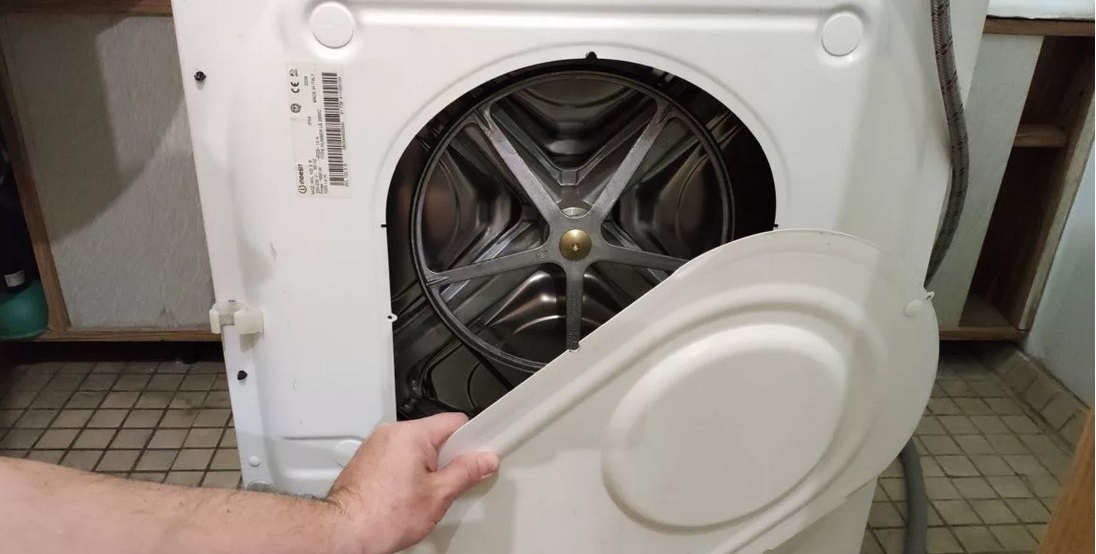
- remove the drive belt from the drum pulley;
- look under the tank and see the electric motor;
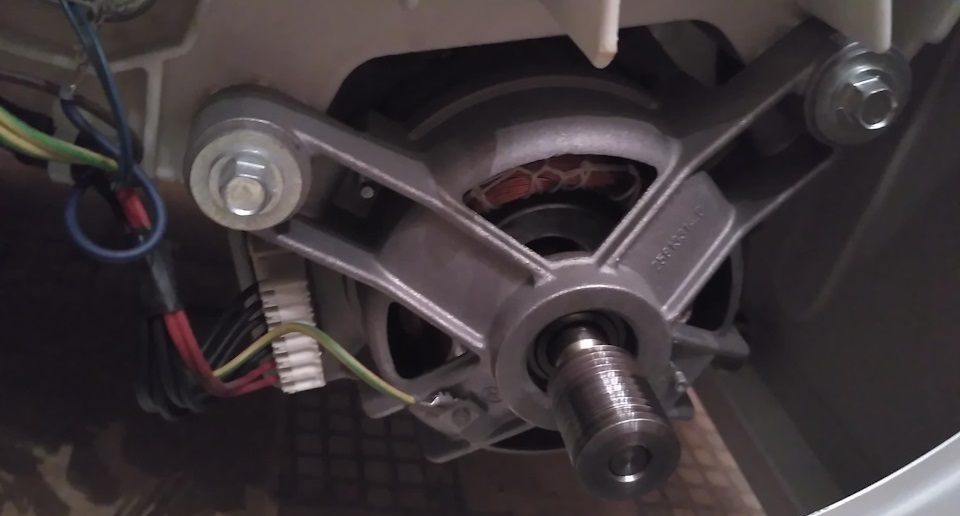
- disconnect all wires from the engine;
- unscrew the screws securing the motor;
- After rocking, remove the engine from its mounting location;
- find the electric brushes on the sides of the motor - plastic cases;
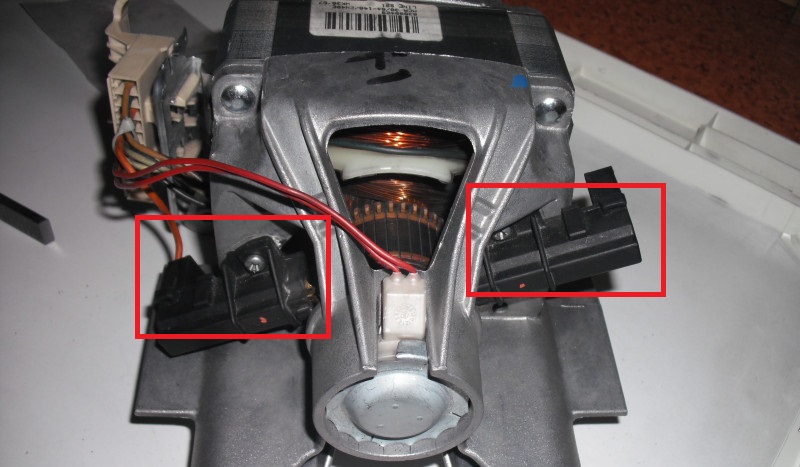
- loosen the bolts holding the casings;
- detach the brushes from the housing;
- fix new cases.
Brushes cannot be replaced individually—only in pairs. It's important to select the correct replacement, based on the LG model's serial number. To avoid mistakes, it's recommended to bring the removed brushes to the store and use them to find an equivalent. If the brushes are fine, the entire motor should be inspected. Inspect the housing for damage, then connect it to a multimeter and test the winding. The winding often shorts out, overheats, and begins to smell burnt.
The main suspect is the belt
The burnt smell also comes from the drive belt. Incorrect installation of the washing machine and fallen bearings displace the pulley, causing the rubber to rub against the tank. The situation worsens during the spin cycle—the machine may start smoking. To change the belt, follow these steps:
- de-energize the equipment;
- remove the "back";
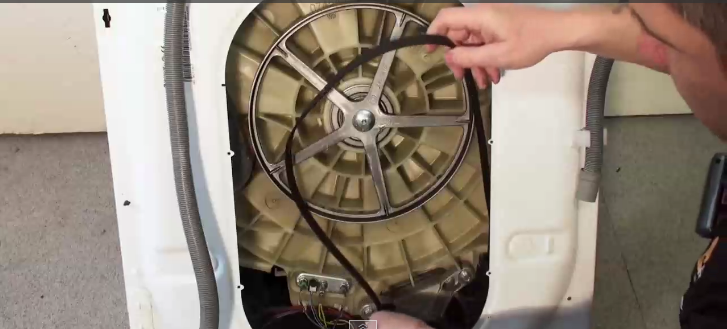
- remove the rubber band from the pulley;
- put the new belt on the shaft, and then on the pulley.
It's important to immediately address the cause of the bent belt: replace the bearings and align the machine housing. Otherwise, the situation will reoccur.
Interesting:


Readers' comments
Headings
Washing machine repair




For buyers




For users


Dishwasher




Add a comment