
How to remove odor from a dishwasher
 After using their dishwasher for a while, some users complain of an unpleasant odor developing inside. In fact, this odor is usually due to a lack of proper maintenance, but there are also situations where the odor is caused by a malfunction. It's worth investigating, and we'll tell you how to fix this problem.
Causes of odor
First, let's take a closer look at the causes that can cause unpleasant odors in your dishwasher. If the smell appears after several washes in a new dishwasher, then this smell most likely comes from low-quality plastic. In most cases, as users note, it goes away after a couple of weeks.
Most often, people complain about a putrid, moldy, or sewer-like odor. This is where the question arises: why does it occur and how to get rid of it? The main cause of this odor is food residue left inside the dishwasher. This can accumulate:
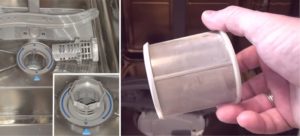
- in a mesh filter;
- in the drain hose;
- below the door;
- on the rocker arms.
A small amount of water remaining after washing can cause an unpleasant odor. If the dishwasher isn't wiped down and dried, and the door isn't closed tightly, an unpleasant odor will develop. Note that moisture accumulates both at the bottom of the dishwasher and under the rubber seal.
Important! A sewer smell can occur if the drain hose is improperly connected. Ideally, the dishwasher should be connected to the drain via a trap, which will trap odors.
 Sometimes your dishwasher may smell like glue or melted plastic. This is caused by non-compliance with operating instructions, meaning the user placed a plastic item or an item with glued parts in the washing machine and selected a high temperature setting. As a result, the plastic began to emit an odor.
If your dishwasher starts to smell like melted wires, you shouldn't use it anymore, as this is one of the signs of a malfunction. Along with the smell, the circuit breaker in the electrical panel may also trip. This means the dishwasher's wiring has burned out, or the heating element contacts have burnt out, which is a common occurrence with Zanussi dishwashers. In this case, the only possible solution is replacing the heating element.
Methods for eliminating odors
Now it's time to talk about how to eliminate the unpleasant smell of rot or mold. And we'll start with cannot be used to combat odor in the dishwasher, This:
- chlorine and chlorine-containing products;
- washing powder;
- cleaning agents with abrasive particles.
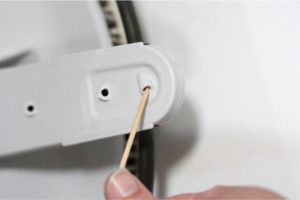
These harsh chemicals won't eliminate the odor in the machine, but they will damage the metal parts. Over time, they may corrode. Physical cleaning, however, is the first step in combating the odor. Start by washing the mesh filter at the bottom of the dishwasher, then inspect the water spray arms and clean them as well, paying particular attention to the holes where food can become stuck.
Next, wash the walls and bottom of the sink; any remaining grease may have settled on them. To remove this, use a soft cloth and water with a small amount of detergent. You also need to wash the rubber seal around the perimeter of the door.
Important! Do not use metal sponges or hard brushes to clean the dishwasher, as they may damage the surface of the washing chamber.
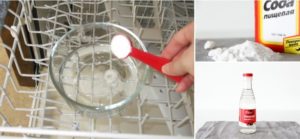 Baking soda and vinegar are effective odor removers. First, add one cup of white vinegar to the bottom of the empty dishwasher. Then run a long cycle at high temperature. Vinegar absorbs odors well, but it leaves its own odor. Therefore, you can use baking soda after vinegar. Take half a cup of baking soda, sprinkle it on the bottom of the dishwasher, and run a short cycle. At the initial stage of odor formation, you can use baking soda alone without vinegar.
If you don't trust homemade methods, purchase a special grease and limescale remover for your dishwasher. Follow the instructions and rinse the machine with this product, and the smell will be gone. After any chemical treatment, the car must be rinsed several times with water, then wiped with a dry cloth and the chamber ventilated.
Note! Dishwasher freshener is effective in combating unpleasant odors, but it should only be used after eliminating the source of the odor, otherwise it will be ineffective.
If the smell still persists after this cleaning, you'll need to clean the drain hose. This isn't very convenient, as you'll have to move the machine out of its niche. Then, disconnect the hose, rinse it under running water, and reconnect it. We also recommend checking the trap and drain, cleaning them if necessary.
Prevention of occurrence
To prevent this unpleasant smell from haunting your dishwasher in the future, follow these operating instructions:
- Before washing dishes, it is necessary to thoroughly clean them from food residues;
- After washing, wipe the car with a dry cloth, inspect it for grease and stuck food particles, and let it dry thoroughly; moisture is a source of bacteria and, consequently, unpleasant odors;
- Regularly clean the machine from grease and scale using special products;
- Don't forget to rinse the mesh filter, even if you clean your plates very well before eating;
- Don't leave dirty dishes in a closed dishwasher for long periods of time. If you don't have time to wash them, at least use the rinse function and a dishwasher fragrance to absorb odors.
So, keep your dishwasher clean, and you won't have to deal with unpleasant odors inside. Maintaining the machine is very simple and takes very little time.
Interesting:






3 reader comments
Add a comment
Headings
Washing machine repair




For buyers




For users


Dishwasher




There is a good product called Odorgon, I used it to get rid of the unpleasant smell.
I use this product too, and it does its job well. And now they've released a new one called OdorGone Home. It's truly versatile. A must-have for everyday use.
Thanks for the advice, Odorgon really does work. The salesperson recommended Odorgon Home for our dishwasher, saying it's specially designed for such appliances. Well, what can I say—the smell disappeared almost immediately. I'm so glad!