
How to turn on a washing machine without a door lock
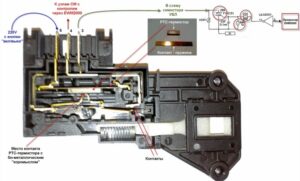 Until the machine's "brain" receives a signal that the door is closed, the cycle won't start. Water won't begin filling the drum if the system isn't sealed. However, some DIYers still manage to trick the control module and start the wash cycle even with a broken door lock, as long as the locking contacts are intact. Let's figure out how to start a washing machine without a door lock. Or, more precisely, with one, only with a faulty one. We'll explain the steps.
How to remove the lock from a washing machine?
Of course, the surest way is to replace the door lock immediately upon discovering a malfunction. If buying a new lock isn't feasible, another option is to slightly "fake" the broken lock.
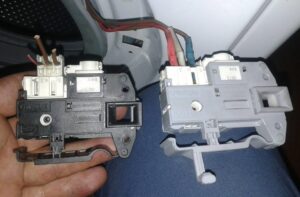
To close the contacts of the blocker and start the wash cycle as if without it, it is necessary to dismantle the device.
There are several ways to remove the door lock. Some mechanics remove the hatch seal and then dismantle the lock. The risk with this method is that an inexperienced person will have difficulty replacing the rubber seal. Therefore, an easier option is to access the door lock through the top of the washing machine. The procedure is as follows:
- unplug the washing machine;
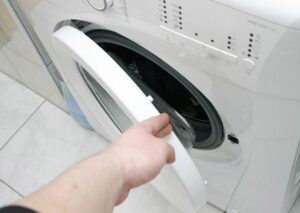
- open the hatch door wide;
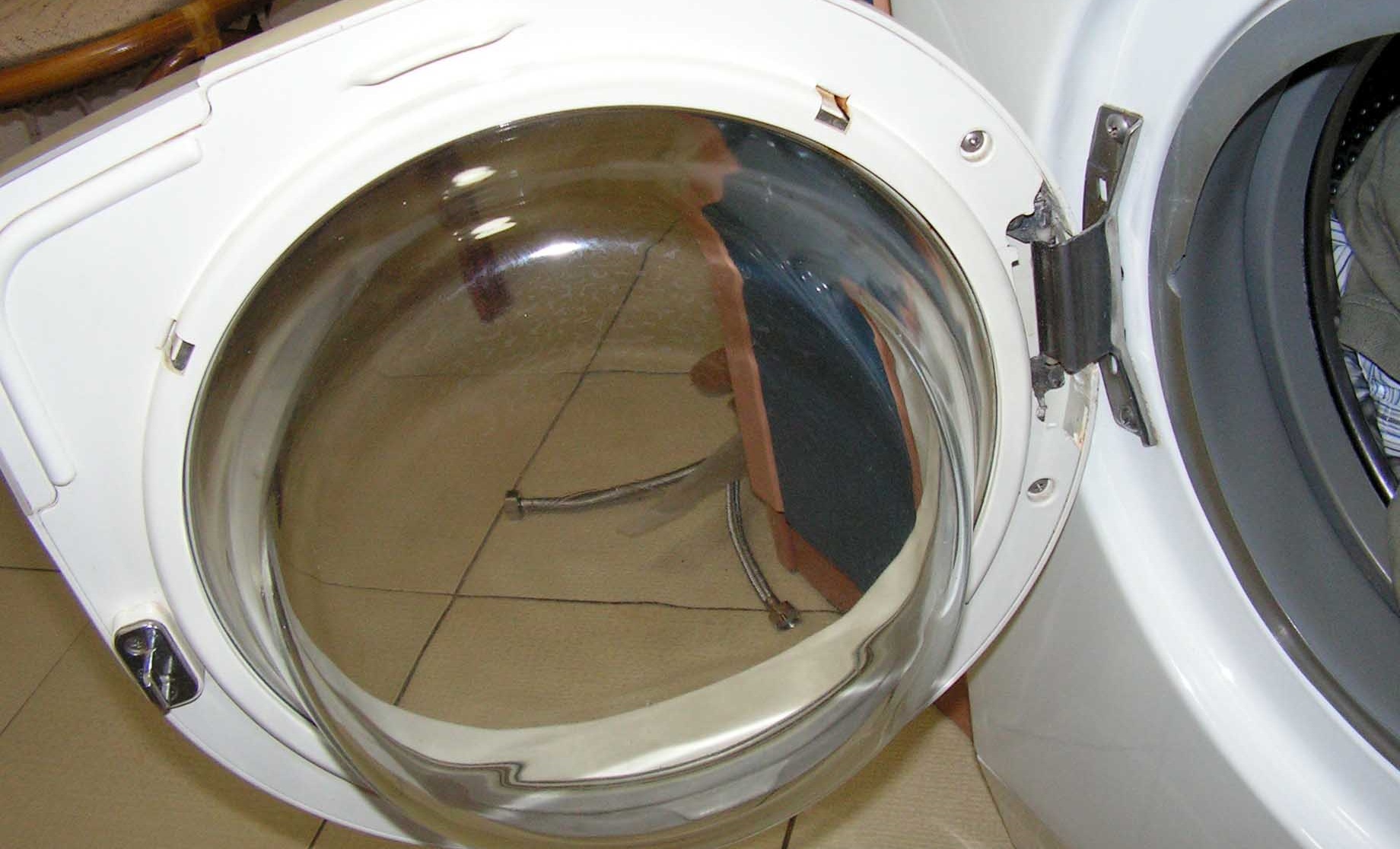
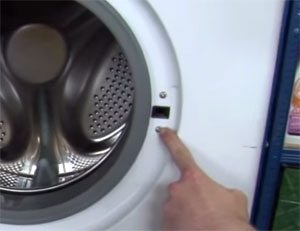
- find the hole where the lock tongue goes;
- unscrew the two bolts located next to the “hole” for the hook;
- remove the top panel of the case by unscrewing the two screws holding it;
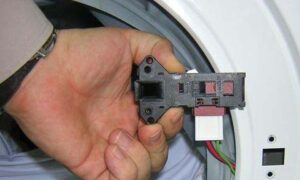
- Use your hand to reach the UBL through the top of the machine and carefully remove the connector with the wires;
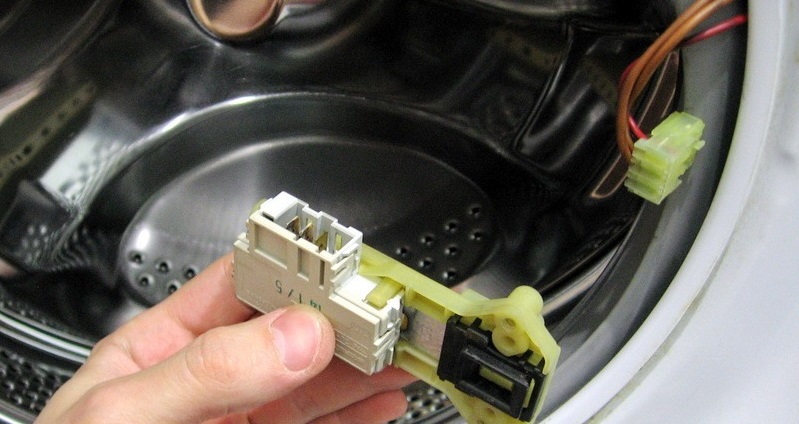
- Slowly pull the lock out of the housing.
Next, we'll need to work on the broken lock contacts. We'll figure out what to do with the removed lock and how to turn on the washing machine.
We simulate the switched on UBL
To start a car with a broken lock, you will have to “convince” the control module that the lock is completely functional. You can fool the automatic machine's intelligence by short-circuiting the UBL contacts in the locking position. To do this, you need to understand how the mechanism works.
A standard blocker has three contacts: N, L, and C. Voltage is applied to the first two contacts. This heats a thermal coil, which then heats a bimetallic strip. The hot strip then connects contacts L and C.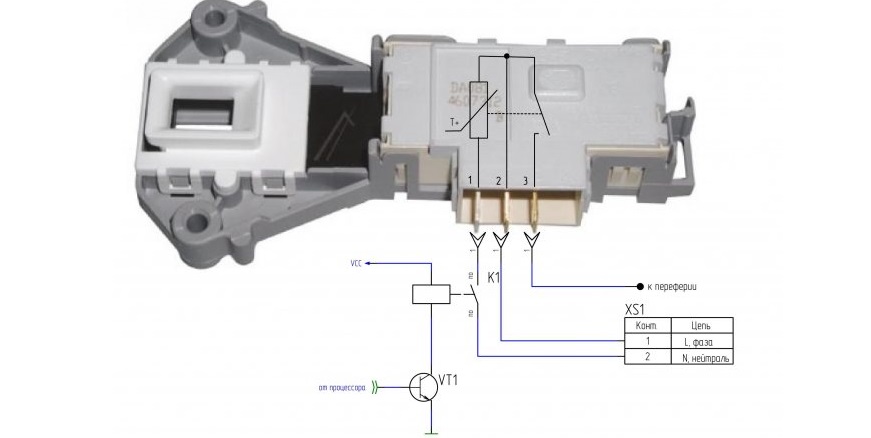
The closure of the two outer contacts signals the smart module that the hatch door is tightly closed. After this, the "brain" activates the inlet valve, and water begins to flow into the tank.
To turn on the machine with a broken lock, you need to short-circuit the two outer contacts of the UBL - L and C.
After replacing the "retrofitted" lock, try starting a cycle. The machine may take a few minutes to "think," but in most cases, the wash will begin. Don't tug on the door to see if it's securely closed. The locking mechanism is inoperative, so opening the door should be very easy.
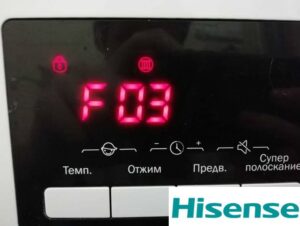
This trick won't work with the most modern machines. They have a protective algorithm, so shorting the contacts with a jumper will only result in an error code being displayed. This technology is rare these days, so you can try to "trick" the electronic module.
Interesting:

7 reader comments
Add a comment
Headings
Washing machine repair




For buyers




For users


Dishwasher




It worked for me on an Ariston als948tx.
Zanussi. Which wires should I short to bypass the door lock?
Beko there are contacts 1.2.3. Which ones should I short?
2 thick ones usually, the thin one should be insulated separately.
If you're worried about messing up the door lock contacts, disassemble the door lock completely and physically short-circuit the contact inside the door lock. It's best to remove the thermal plug completely.
This won't work, as the contact plate extends the stopper to lock the bar. The door simply won't open. You need to figure out which pins in the connector are used to connect these contacts and connect them.
Electrolux top-loading washing machine - which contacts should be connected?