
Washing machine protection against limescale
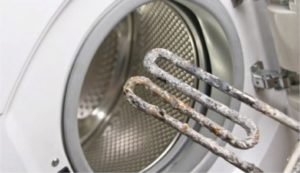 Regular maintenance and care will help extend the life of your washing machine. Since the water entering the machine from the mains is often very hard, and the detergents used contain overly aggressive ingredients, this increases the risk of scale buildup inside the machine.
Limescale buildup on the heating element, drum, and other components of the machine will ultimately lead to equipment failure. Let's look at how to protect your washing machine from limescale as effectively, safely, and affordably as possible.
Why is scale dangerous?
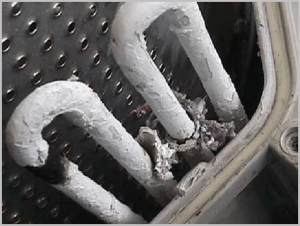
Foreign particles that settle on the washing machine components over time form a dense layer that is difficult to remove. Scale is an insoluble sediment that forms on the internal parts of an automatic machine, significantly reducing the service life of the equipment.In most cases, the surface of the heating element becomes the site of plaque localization.
Limescale deposits on the heating element will inevitably lead to increased energy consumption, as the heating element's heat output will be significantly reduced. Furthermore, an insoluble layer on the tubular heater will contribute to internal overheating of the component, which, over time, will lead to element failure.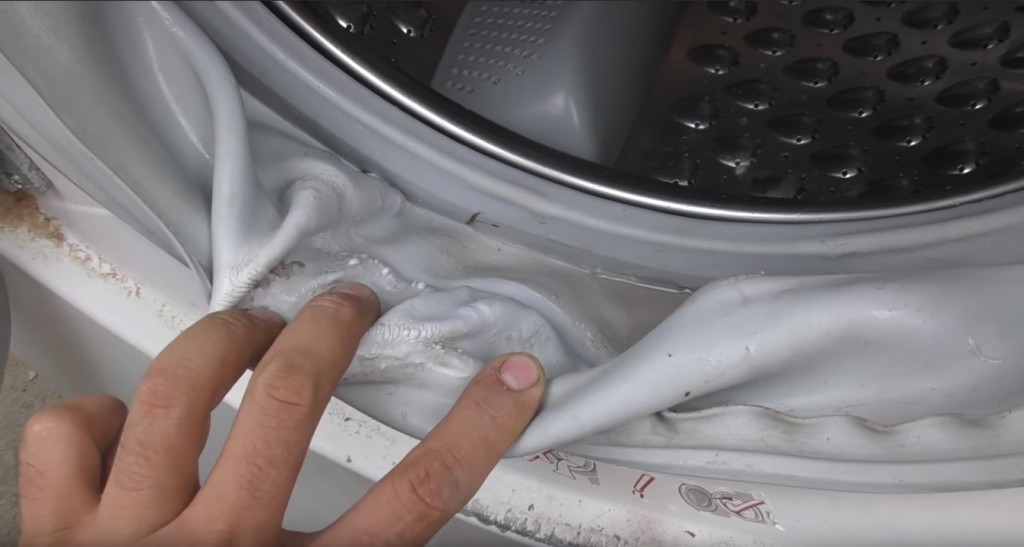
To prevent scale buildup, treat the internal parts of the machine 2-3 times a year with special solutions containing acids and other aggressive components. This will prevent foreign particles from accumulating on the inside of the machine.
It is important to remember that acidic compounds cannot be used for washing machines equipped with enamel tanks.
Softening the water entering the washing machine is considered a preventative measure against scale buildup and scale buildup. The market is replete with various filter elements installed on the utility lines at the entrance to the apartment or directly before the machine's water intake hose.
If, after inspecting your "home helper," you see a built-up scale layer, you'll need to use specialized products to combat it. Many housewives, thanks to advertising, are conditioned to believe that the "indispensable" Calgon is the best descaler. However, this product doesn't remove scale, but merely prevents it from forming and protects the parts. To combat older buildup, it's better to use stronger solutions, such as:
- MisterDEZ "Deep Cleansing"
- No scale;
- Beckmann.
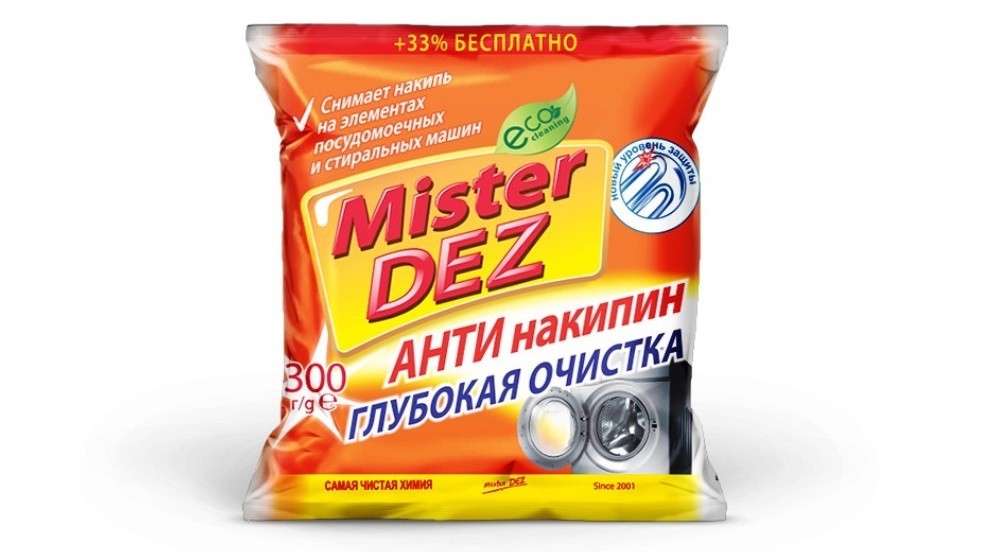
Household chemicals for this purpose should be used with extreme caution. It's recommended to wear waterproof gloves when handling any chemicals. Before using any products, carefully read the instructions and strictly follow the instructions and dosage.
Can you clean with citric acid?
If your washing machine has been running without proper maintenance for a long period of time, and the water entering the system hasn't been softened, there's a 99% chance the internal components have already become coated with a thick layer of scale. Previously, citric acid was considered the traditional solution for removing scale. Lemon juice has such a strong effect that it easily removes limescale deposits 5 mm thick or more.However, is it really safe to use?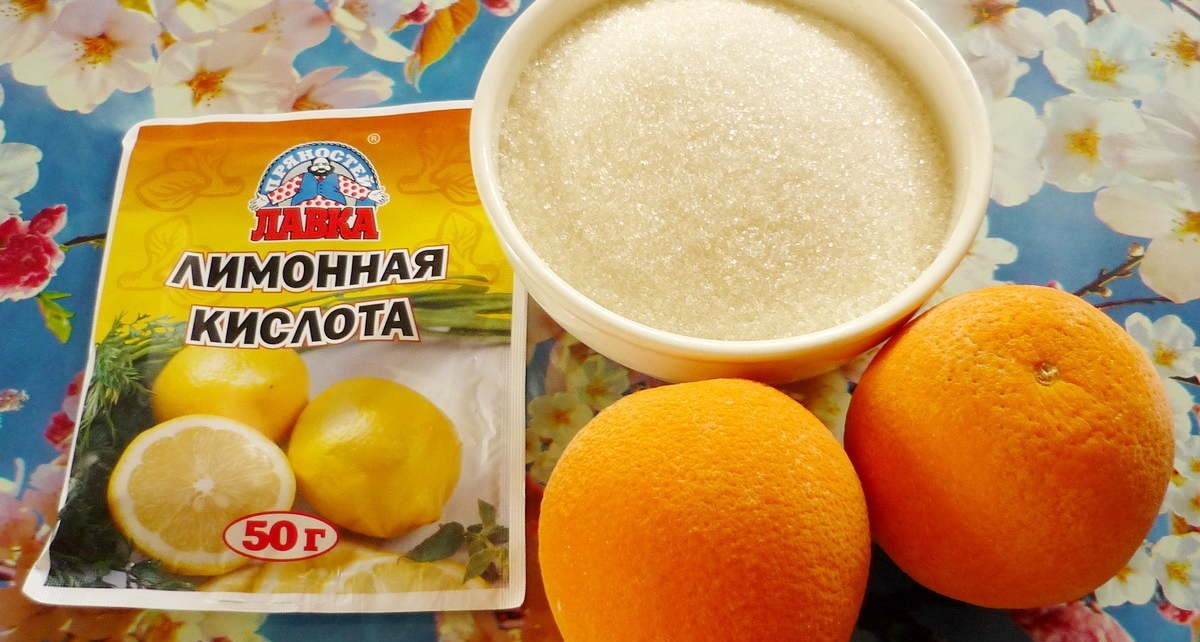
If the scale buildup on the internal components of the washing machine is severe, using lemon powder can be harmful. Pieces of limescale flying off the heating element or other affected parts can cause serious damage to the washing machine's components. Large deposits can also clog the debris filter and clog the pipes. Therefore, before cleaning the washing machine with citric acid, technicians recommend removing the heating element from the housing, forcefully removing the scale, and only then cleaning the washing machine. The cleaning procedure with citric acid is as follows:
- prepare a small cloth and 150-200 grams of lemon powder;
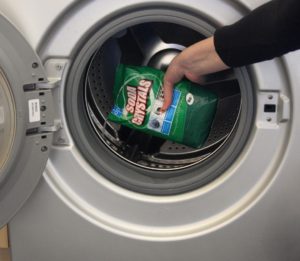
- Pour the measured amount of acid into the empty drum of the washing machine;
- Run the machine using the longest wash cycle, which involves heating the water to 90 degrees.
Once the process is complete, it's necessary to clean out any limescale deposits that have accumulated under the door seal and other seals. This will eliminate limescale buildup and protect your washing machine for several months.
Interesting:
Readers' comments
Headings
Washing machine repair




For buyers




For users


Dishwasher




Add a comment