
Clogged dishwasher
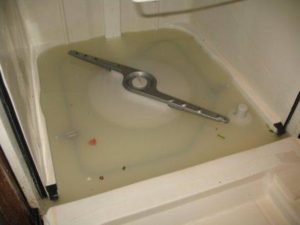 If your dishwasher suddenly stops while washing dishes after dinner, it means there's a clog in the machine. This is the most common cause of malfunction, causing the machine to whistle, make noises, or simply stop silently. What causes clogs in dishwashers, how to clear them, and how to prevent them—that's what we'll explore.
Reasons
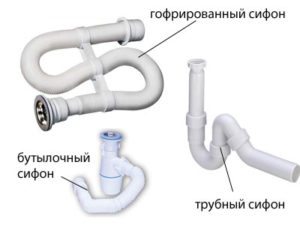
If you suspect your dishwasher has stopped working due to a clog, don't rush to clean it. The clog can occur not only inside the machine but also outside, specifically in the drain or the trap, which is where the dishwasher's drain hose is typically connected.
Please note! If water drains slowly and poorly from your sink, the drain trap is likely clogged, meaning your dishwasher will soon stop draining.
Any clog can be caused by food debris, fruit, fish, or meat pits, dirty napkins, and even toothpicks that end up in the drain from unwashed dishes. Small shards of broken glass from dishes during washing can also cause clogs. The following can become clogged inside the dishwasher:
- a cleaning filter located at the bottom of the tank;
- drain pump;
- drain hose;
- water spraying blades.
Additionally, the filter that supplies the water to the machine can become clogged. It can become clogged with rust particles and salt deposits. This usually occurs when the water supply is frequently shut off, or when the water supplied after repairs is dirty and rusty.
We are troubleshooting the problem
Is your dishwasher clogged? You'll need to clean it, as any clog can only be cleared by cleaning. If your drain is clogged, you can try one of the following methods:
- use a wire with a small brush at the end;
- the second method, not very pleasant, but effective, is to disconnect the siphon from all hoses and rinse it with water;
- use special chemicals to clean sewer pipes.
In the case of internal blockages, you will have to work hard if you do not plan to call a specialist. To begin, prepare some tools, you will certainly need them, namely: a screwdriver, pliers, tweezers with long probes and some kind of container for dirty water.
So, unplug the dishwasher from the power outlet, then remove the drain hose from the siphon outlet, directing it into a bucket or other container under water. If the water doesn't drain, there's an internal blockage. Disconnect the other end of the drain hose, if possible without disassembling the machine, and clean the part under running water, using a cleaning skewer. If you can't disconnect the hose, leave it in place for now.
Now we open the machine, remove the baskets, and scoop out the water to begin cleaning the internal parts:
- unscrew the filter mesh and pull it out together with the filter;
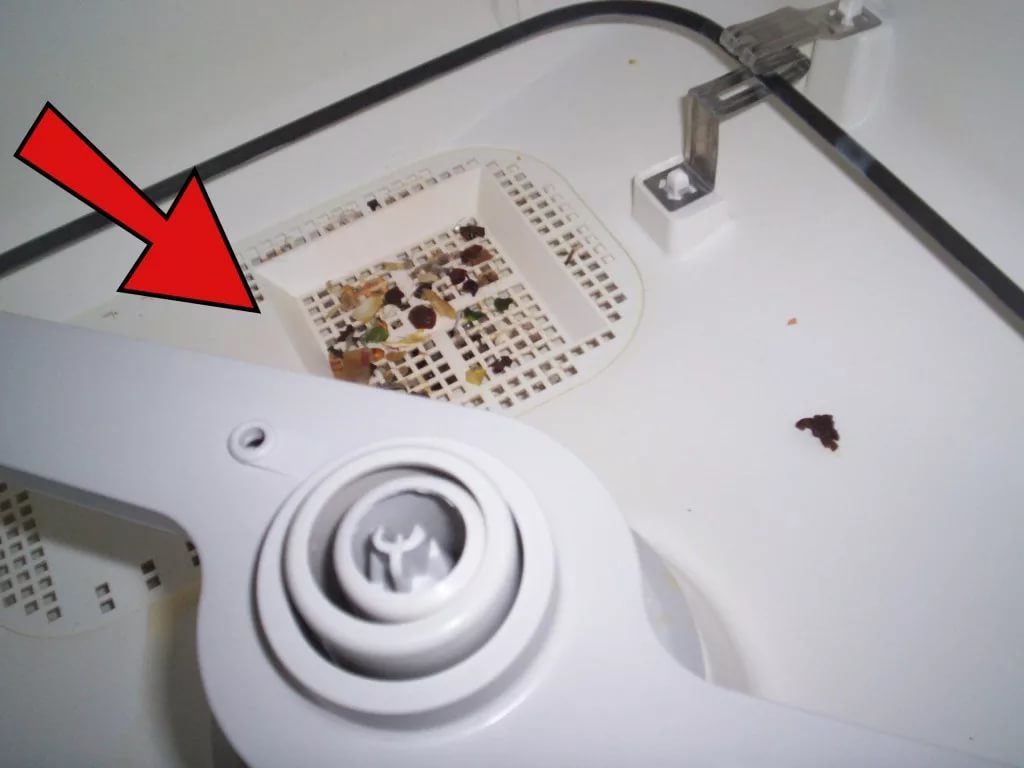
For more information on how to remove the filter, please refer to the instructions for your dishwasher model.
- wash the parts with water and a brush;
- Unscrew the drain pump cover to inspect the impeller. Clean it if possible, making sure nothing is obstructing its rotation. Use tweezers; it's best not to use bare hands.
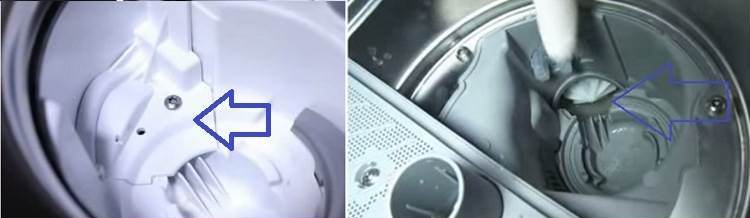
If you can't clean the impeller from the inside of the machine, you'll have to disassemble it. The situation is more complicated with built-in appliances, but there's no other way. Turn the dishwasher on its side, remove the tray, and access the pump. This will make cleaning easier. At this point, you can also disconnect the other end of the drain hose for cleaning. After cleaning, reassemble the machine.
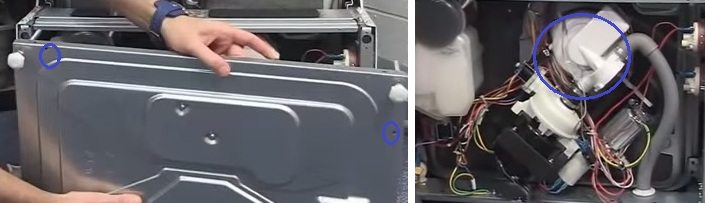
After reassembling the machine, rinse the tank and then wipe it clean. The spray arms can be soaked in water with a solution of dishwashing detergent beforehand, then cleaned, rinsed, and replaced. With the right approach and skill, clearing a clog is not that difficult.
How to prevent?
But what can you do to prevent clogs from occurring in the first place? It's simple – follow these simple dishwasher operating rules:
- It is good to clean dishes from food residues, remove napkins, toothpicks and other debris. In some cases, you can pre-rinse the dishes.
- Rinse the coarse filter at least 2-3 times.
- Regularly wash and keep the blades and the entire machine clean, removing any greasy deposits.
- Clean the inlet filter every six months and replace it if necessary.
- Descale the machine using special products or citric acid.
- Dry the equipment thoroughly from the inside to prevent unpleasant odors and the growth of bacteria and mold.
As you can see, keeping your dishwasher clean is quite simple, and it'll save you so much effort and stress compared to having to clear a clogged drain. So, rules are meant to be followed, not broken!
Interesting:


Readers' comments
Headings
Washing machine repair




For buyers




For users


Dishwasher




Add a comment