
Where to put detergent in a Bosch washing machine
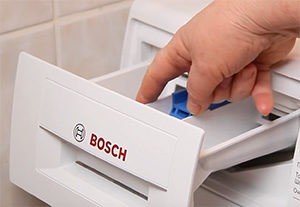 Figuring out where to put detergent in a Bosch washing machine to achieve the best possible wash results is easy. Many housewives, without even bothering to read the instructions, start pouring detergent intuitively, only to discover they've been pouring it into the wrong compartment. We decided to settle this issue once and for all by explaining in this short post which compartment to pour different detergents into in the drawer of a Bosch front-loading or top-loading washing machine. Without further ado, let's get started.
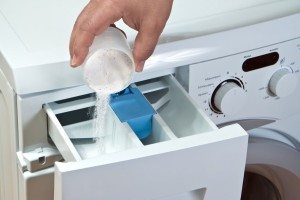
Add powder
Most often, we simply need to wash our laundry with standard washing machine detergent. We pull out the detergent drawer and inspect it. The detergent drawer in a Bosch washing machine typically has three compartments:
- the left compartment is the widest and deepest;
- the middle compartment is narrow with a plastic tab;
- the right compartment, which differs from the left one in its slightly smaller dimensions.
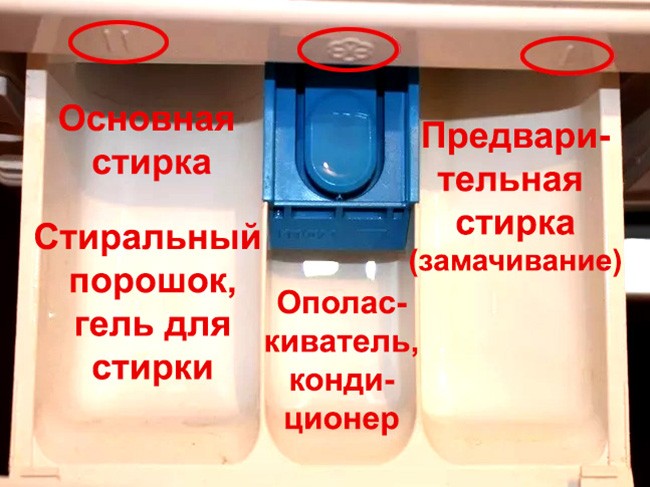
For now, we'll focus on the left compartment. Since it's the widest and deepest, it's the main wash compartment. It holds a lot of detergent, and that's where we'll pour it. The symbols on the front help you locate the main wash compartment. The main wash compartment is designated by either the Roman numeral II, the Arabic numeral 2, or the letter B. The most common type is II. If you see this designation, it means you can pour powder into that tray.

If you select a program that pre-soaks your items, you'll also need to add detergent to the right-hand tray. It's smaller and may be labeled:
- Roman numeral I;
- Arabic numeral 1;
- letter A.
Don't add detergent to this tray unless you're using pre-soak. The detergent won't be rinsed into the drum in time, and washing results will be significantly impacted.
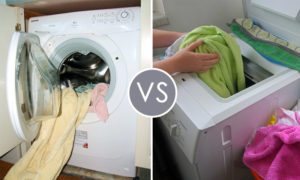
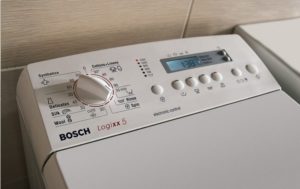
Top-loading washing machine trays have roughly the same compartment layout and markings, but they look different. The left compartment is for extra wash, and the middle (large) compartment is for the main wash. Nothing complicated.
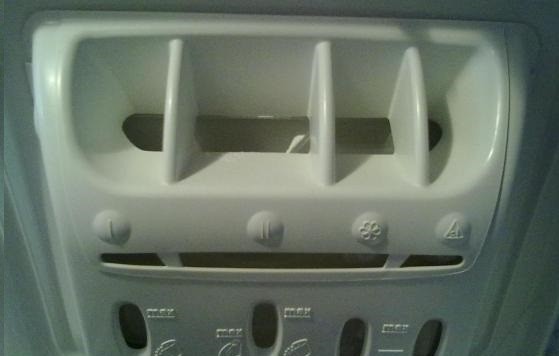
No need to pour into the cellwashing powder, Until you've verified the intended use of the compartment. If you have a non-standard, unmarked drawer and you're unsure where to pour or add a particular detergent, consult the instructions for your Bosch washing machine.
Add the remaining detergents
Housewives also want to know where to pour fabric softener and liquid detergent. Let's start with fabric softener. In a standard dispenser, the fabric softener compartment is located in the middle. It's impossible to confuse it, as it's partially covered by a color-coded locking tab. This compartment is small, but it can easily hold 30-50 ml of fabric softener, which will impart a unique scent and softness to your laundry.
Rinse aid is easy, but where do you put the liquid detergent? There's no special compartment for it. In fact, in modern, expensive Bosch washing machines, the drawer is divided not into three, but four compartments. The fourth compartment is for liquid detergent, but this is the exception rather than the rule. The vast majority of Bosch washing machines don't have a compartment for gel detergent, meaning it must be poured into the main wash compartment (II) or into a special plastic container, which is then placed in the drum along with the dirty laundry. In either case, the wash quality will be acceptable, but the machine won't be able to fully utilize the liquid detergent's potential.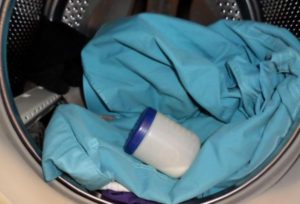
In addition to traditional detergents, special laundry capsules are becoming increasingly common. They shouldn't be placed in the powder dispenser, as they don't dissolve well there. Instead, place the capsules in a special container, which should then be placed in the drum.
Why can't I just place the capsule directly into the drum on top of my dirty laundry? This is because when the capsule dissolves, it releases concentrated detergent, which could stain the laundry if it comes into contact with it. A plastic container will ensure the capsule dissolves gradually and prevent the concentrated detergent from coming into contact with the laundry.
So, we've covered everything we wanted to on this topic. If you have any questions, please ask them on the forum or in the comments below. We'll conclude our discussion here and wish you good luck!
Interesting:


4 reader comments
Add a comment
Headings
Washing machine repair




For buyers




For users


Dishwasher




Thank you, kind person!
Thank you
Thank you
Thank you