
Where do I put detergent in my Ardo washing machine?
 Almost every home has a washing machine—to make life easier and save time. But despite their prevalence, not everyone uses them correctly: instructions are often ignored, and everything is learned by trial and error or by neighbors' experiences. Sometimes even adding detergent to the washing machine can be difficult. We'll explore where Ardo machine owners should add detergent and fabric softener. We'll explore all the options, including their pros and cons.
Each compartment has its own purpose
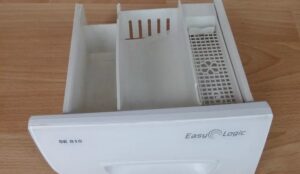
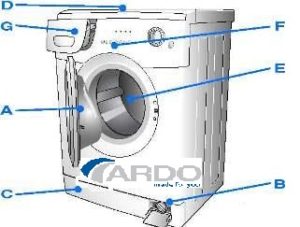
Ardo washing machines have a special dispenser for detergent, commonly known as a powder compartment. It's a pull-out drawer, typically divided into three compartments. Each compartment is designed for a specific type of detergent or a separate program. It's easy to figure out the purpose of a bunker – just look at its size or the markings.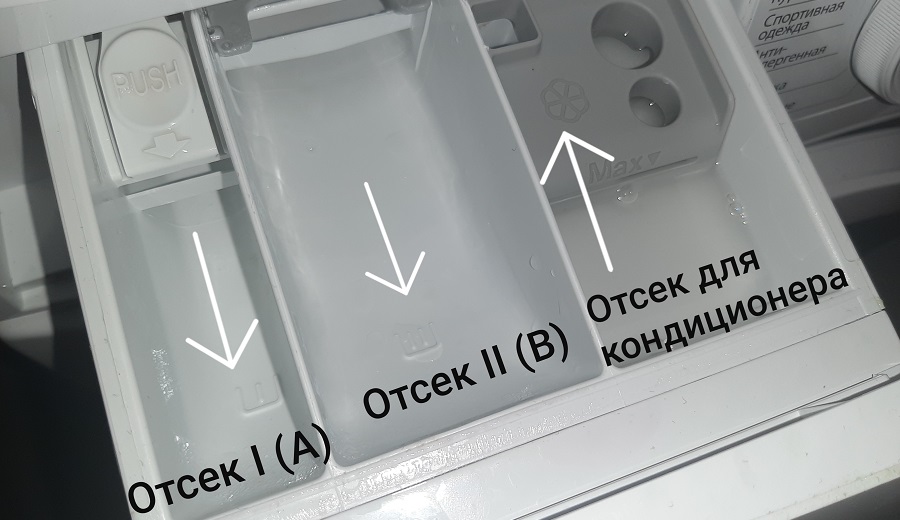
- "I" is a medium-sized compartment located on the left side. It is used only when the "Prewash" mode is activated. It is suitable for both dry and liquid detergents.
- "II" is the central and largest compartment. It's where detergent is drawn during the main wash, meaning any cycle other than pre-wash.
- "*" or flower. The smallest drawer, located on the right side and covered by a "grid." It holds additional liquid detergents—conditioner, rinse aid, fragrance, fabric softener, and bleach.
The powder compartment in Ardo washing machines has three compartments – for different washing modes and types of detergents.
On some modern Ardo models, the detergent dispenser has more compartments or different markings than the standard one. In this case, it's best to consult the manufacturer's instructions instead of guessing. The manual will always describe the dispenser and the purpose of each compartment.
We pour the product into different compartments
It's best to pour detergent into the machine according to the instructions on the dispenser. Incorrectly distributing the detergent won't damage the washing machine, but it can have unavoidable consequences: the washing performance will suffer. Clothes will wash in empty water or rinse in soapy water.
The problem is that the Ardo washing machine's smart system removes detergent from the dispenser in a specific way. The "I" compartment is only removed when the prewash cycle is activated, while the "*" compartment is removed during the rinse cycle. This can lead to problems: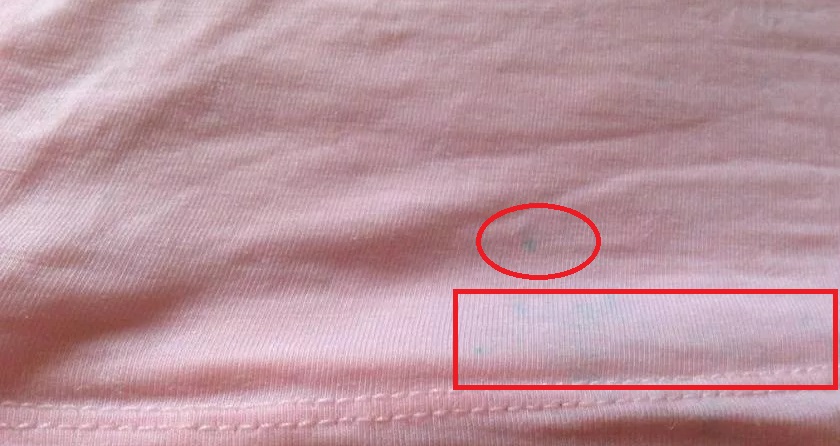
- powder does not get into the drum if you pour it into compartment “I” and turn on the normal program;
- pre-wash will take place without detergent if you run the pre-wash mode and pour the powder into compartment “II”;
- Items will be rinsed in soapy water if you pour the concentrate into the “*” tray.
Adding the wrong amount of detergent to your washing machine will affect the quality of your wash – your clothes will remain dirty or too soapy.
There won't be any serious damage from the tray compartments getting mixed up - at most, the items will remain dirty. To correct the error, you just need to restart the wash cycle, making sure the dispenser is filled correctly, or repeat the rinse. True, you'll have to pay: in utility bills and your time. The key is to spot excess detergent on your clothes early to avoid damaging the fabric and irritating your skin.
They put things in the drum and put powder on top.
All washing machine manufacturers, including Ardo, recommend that users avoid DIY approaches and only pour detergent into the machine through the dispenser. But not everyone heeds their advice—many deliberately forgo the drawer and pour the detergent directly into the drum.
They explain their choice by the cost-savings aspect: this arrangement allows the entire concentrate to enter the tank, while the standard option results in granules settling on the walls of the compartment and pipes. However, the "benefit" is questionable – it has been proven that the water is periodically refreshed during the wash cycle, and some of the soap goes down the drain.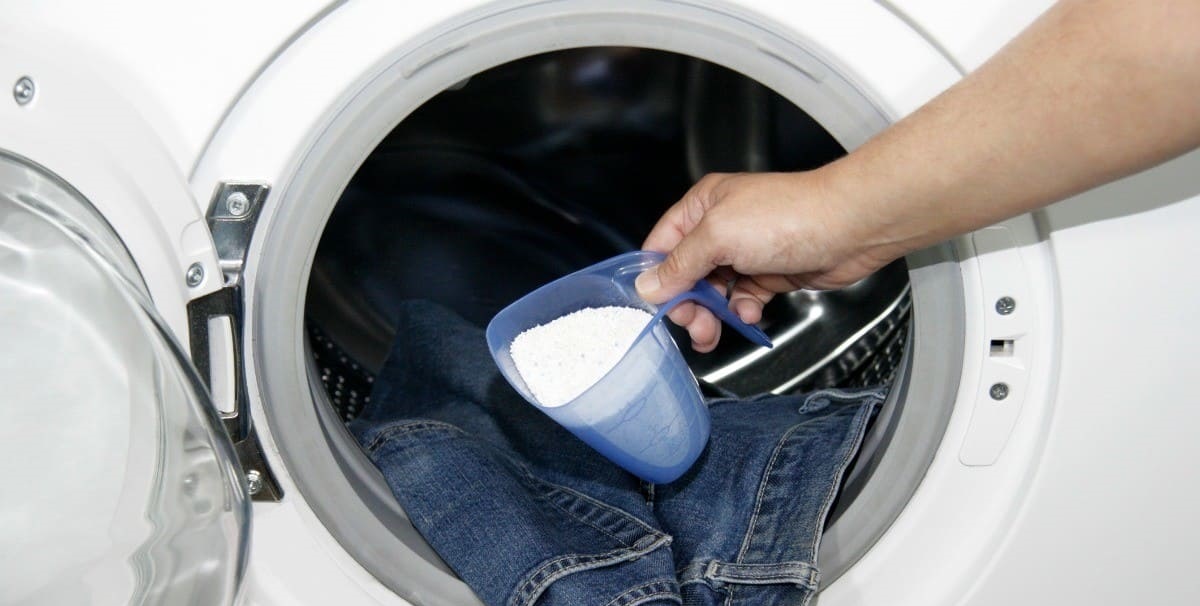
It's unwise to abandon the powder dispenser—it's better to follow the manufacturers' stance. However, if the dispenser breaks or another similar emergency occurs, you can still use the "drum option." Just keep a few things in mind:
- You cannot pour powder on things (aggressive cleaning components will damage the fabric fibers, the material will become discolored and thinner);
- the product is added to the bottom of the empty drum;
- After adding the powder, rinse the drum with a glass of water (another option is to cover the granules with a napkin);
- Only after “hiding” the powder, load the drum with things.
Do not allow powder or gel to come into contact with dry clothing – the fabric will be damaged and stained!
A better approach is to buy a special laundry container for emergencies—a plastic container with holes. It's filled with gel or powder and placed in the drum with your laundry. Sometimes this device is included with the Ardo, but you can also purchase it separately online or at a hardware store. A dispenser costs between $0.30 and $2.
For connoisseurs of modern detergents
The modern chemical industry offers a safe and economical alternative to powder dispensers – washing capsules and tablets. They They are placed in the drum with the laundry, are used in measured doses and have an enhanced effect due to the supplemented composition. Detergents differ in form and production method: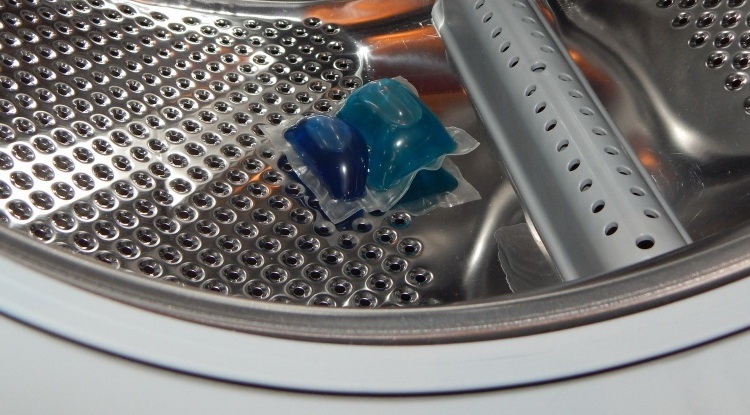
- capsules are a gel sealed in a soluble shell;
- Tablets are compressed powder.
Cleaning wipes—small pieces of cloth made with special components that dissolve during washing—are also gaining popularity. All of these options have similar compositions and operating principles and are quite expensive. But if you can afford them, you can forget about the detergent dispenser.
Interesting:

Readers' comments
Headings
Washing machine repair




For buyers




For users


Dishwasher




Add a comment