
Where to put detergent in a Weissgauff washing machine
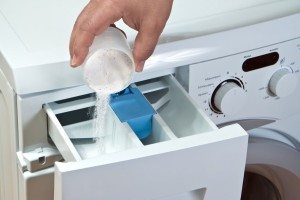
 Automatic washing machines are no longer surprising, but some people who have never used one before may still be unfamiliar with basic washing machine concepts. When faced with modern appliances, they often don't understand where exactly to put the detergent in a Weissgauff washing machine. We'll explain the purpose of each compartment in the detergent drawer so that newbies can avoid further confusion.
Powder box design
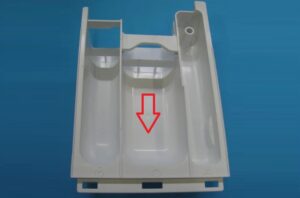
This brand's "home helpers" are equipped with powder containers with three compartments. Each of them is intended for different household chemicals, so you cannot add the same detergent to all compartments at once. In the tray, you can find Roman numerals or special symbols that indicate the purpose of each cell:
- Roman numeral I. This symbol is usually located in the first compartment on the right. It's used for detergents used during the pre-wash cycle. If you add detergent to this compartment but don't activate the pre-wash cycle, the detergent will remain unused.
Pre-washing is necessary for the most soiled items, which the machine may not be able to handle in a normal working cycle.
- Roman numeral II. Most often located on the left-hand compartment, which holds the detergent or gel used to clean clothes during a standard wash cycle.
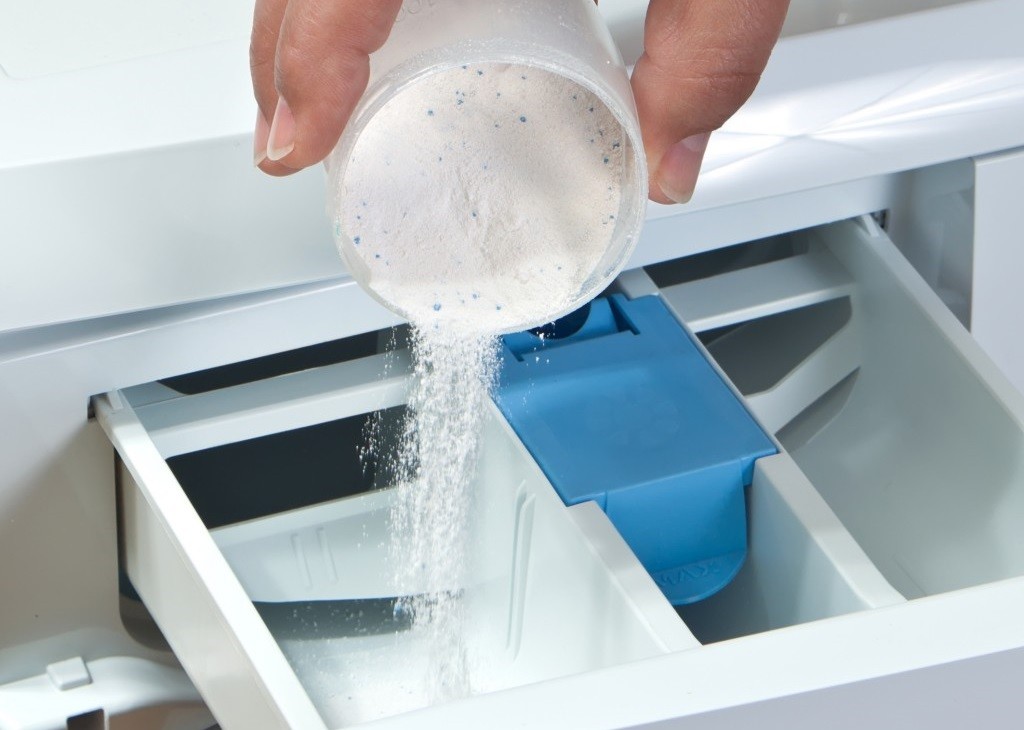
- Flower or Star. This tray is designed for additional household chemicals, such as fabric softener and rinse aid, which leave clothes soft and fresh. It's very difficult to confuse this compartment, as it usually differs from others in its unusual shape, color, or volume.
As you can see, the Weissgauff appliance is very easy to understand, as the powder compartment only has three different compartments for household chemicals.
Is it possible to confuse the compartments of the powder receptacle?
If you accidentally mix up the detergent drawers, it's not a big deal, but it's important to understand that this will definitely reduce the cleaning quality of your clothes. This is because smart appliances use each detergent at the right time. Therefore, if you accidentally add gel or powder to the fabric softener compartment, the washing machine will only start using this product after the main wash cycle is complete, as the system is programmed to take household chemicals from this compartment last. This is why the detergent will be used at a stage when there is no longer active washing, so it will not have time to wash out properly and will simply remain on the clothes.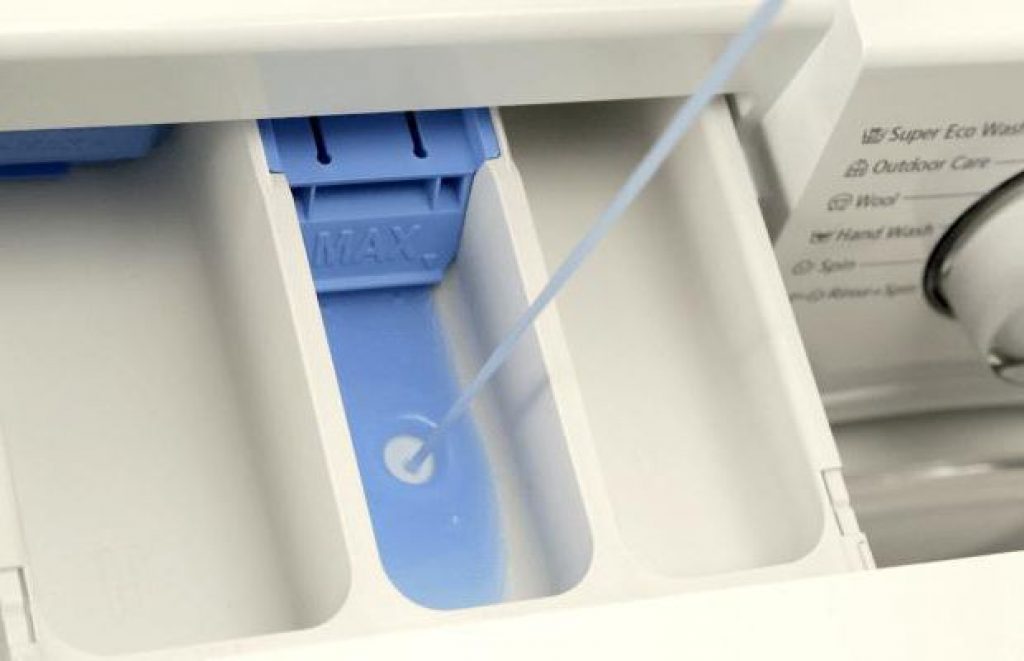
A similar situation will occur if you activate the pre-wash mode but add detergent to the compartment marked with a flower or star. In this case, the pre-wash will be performed in clean water, none of the stubborn stains will be removed, and there won't be enough detergent for the main wash cycle.
Avoid adding household chemicals directly to the drum, as the machine drains and refills water several times during the wash cycle, so all the detergent will end up in the drain with the first batch of used liquid.
Of course, you can always wash your clothes again, but you shouldn't leave them in that condition. Laundry with detergent residue is not only unsightly but can also cause an allergic reaction. Therefore, it's best not to experiment with detergent dispensers and always follow the instructions carefully. This will ensure you get perfectly clean clothes every time, and avoid wasting water, electricity, detergent, and your time.
There is no marking of the compartments
A new detergent drawer with clear markings is easy to use, but what if all the markings have worn off over time? Of course, this isn't a reason to load the detergent at random, as any error will directly impact the washing results. It's much better to quickly run a few tests.
To do this, simply start the main wash and open the detergent drawer immediately after the washing machine starts. This will prevent disrupting the cycle; the most important thing is to close the door tightly and select a standard or quick cycle. Opening the drawer will reveal which compartment the water is directed into. The compartment where the machine first tried to draw the detergent can be marked with the Roman numeral I, as the machine always adds a small amount of liquid to the compartment as a preliminary test. This way, you can quickly identify the first compartment.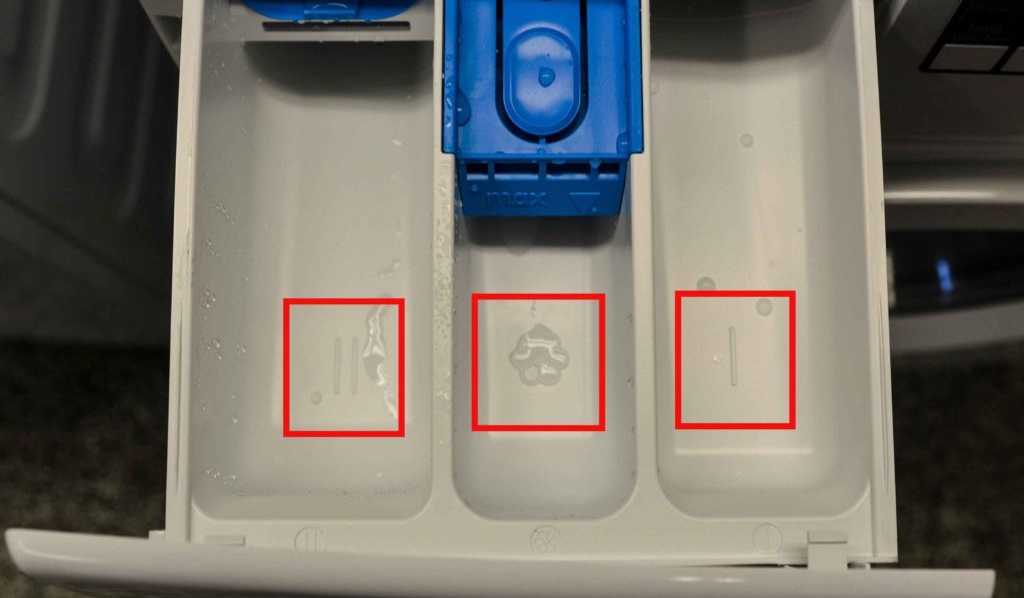
The test doesn't end there, as now you need to carefully monitor the drawer, into which the machine will dispense a large amount of water, usually in several large portions. This compartment can be marked with the number II, as this is where the machine uses the main wash cycle. As for the location of the fabric softener or rinse aid, it's usually easy to find, so no tests are needed to determine it.
Moreover, most often even such a basic check is not necessary to determine the purpose of each tray. This is due to the fact that in the washing machine The Weissgauff main wash compartment is slightly larger than the others, making it easy to identify visually. The same can be said about the rinse aid compartment, which is distinguished by its unusual color and shape. However, the last compartment can be found by a simple process of elimination, so even new users of automatic washing machines shouldn't have any questions about the detergent drawer.
Interesting:

Readers' comments
Headings
Washing machine repair




For buyers




For users


Dishwasher




Add a comment