
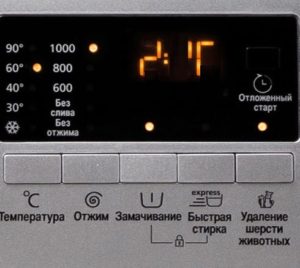
The timer on the washing machine is frozen.
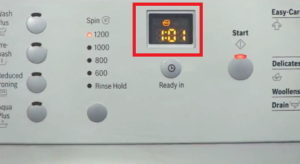 If your washing machine's timer freezes, in most cases the problem isn't the timer itself. For some reason, the machine simply can't complete the program properly, and the time remaining until the end of the wash cycle stops counting down. Let's figure out why this happens and where to begin troubleshooting your "home helper."
What caused the freeze?
If your washing machine is freezing for the first time, you need to rule out a simple system glitch. To do this, reboot the machine—turn it off using the power button and unplug it. After 20-30 minutes, plug it back in and try running a cycle. The system error will clear, and your "home assistant" will function normally.
If restarting doesn't help, you'll need to diagnose your washing machine. To check the machine, drain the water from the drum and remove the laundry. If the machine is frozen, pressing the "Drain" button won't work, and the waste water will have to be drained through the waste filter. The procedure is as follows:
- de-energize the washing machine;
- close the shut-off valve;
- remove the lower decorative panel or open the technical door behind which the “trash bin” is hidden;
- Cover the floor around the washing machine with dry rags;
- Place a container under the machine to collect water;
- unscrew the drain plug half a turn;
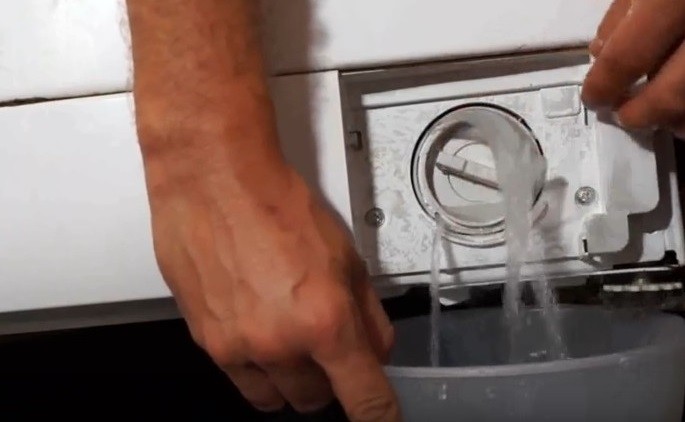
- collect water in a container;
- wait until the door lock is activated;
- Open the door and remove the laundry from the drum.
After draining, you can begin diagnosing your washing machine. Modern machines incorporate fairly complex intelligent controls. The system operates using numerous semiconductor components, circuits, microcircuits, and sensors, which can fail even with minor voltage fluctuations.
So, the washing machine may freeze due to:
- overload or imbalance of the drum;
- incorrect selection of washing mode;
- failure of the locking device;
- blockage in the drainage system;
- faulty inlet valve (the washing machine cannot fill, so it freezes);
- breakdown of the drainage pump;
- failure of the electric motor;
- Problems with the main control module.
What should you do first? To quickly identify the problem, remember at what point the washing machine froze and the timer stopped working. Let's look at how to diagnose the problem.
How to troubleshoot?
A sudden stoppage of a washing machine complicates diagnostics because the display doesn't always have time to display the error code. Therefore, you have to rely on your own logic and guesswork to determine what's wrong. Be sure to remember when the washing machine got stuck – at the very beginning, in the middle of the cycle, or closer to the end of the wash. This will indicate possible problems.
If a frozen washing machine displays an error code, check the instructions to see what problem it indicates.
If the timer on your automatic washing machine freezes at the very beginning of the wash cycle, it could be due to a faulty door lock sensor or a faulty electronic module. Another possible cause is user error, such as exceeding the maximum load or selecting the wrong program.
Typically, if the problem is due to overload or an incorrectly selected mode, the washing machine's self-diagnostic system will detect the malfunction and display a corresponding error code on the display. If the control module is the culprit, the error will usually not be displayed.
If the locking mechanism is causing the freeze, the washing machine may still display an error code. Checking the locking mechanism is easy—try opening the door. If the door opens easily, the lock is indeed faulty. If the door doesn't open, the lock is fine.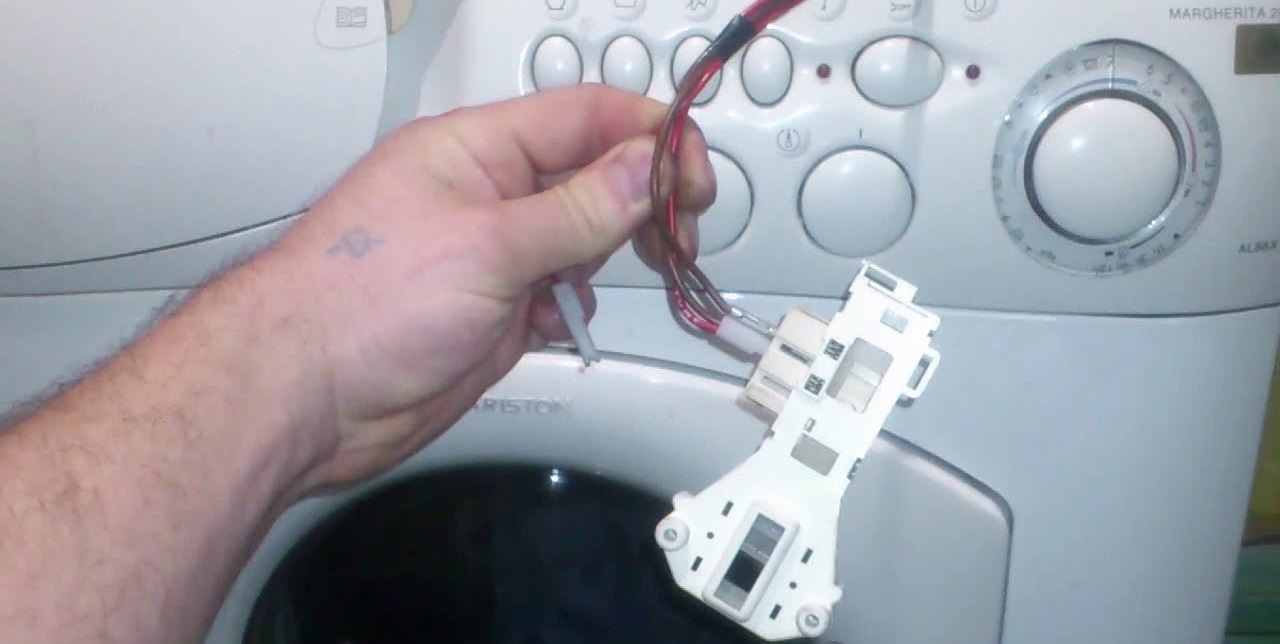
Another cause is a faulty control board. In this case, troubleshooting on your own will be difficult and will require professional assistance. Inexperienced users can easily damage microchips and semiconductors, so attempting repairs on your own is not recommended. Reflashing the module is best left to professionals.
If your washing machine stops working mid-cycle, you may be blaming something else entirely. To find the problem, analyze the washing machine's behavior immediately before the malfunction. Recall what program step it was in, whether the machine was making noise, and whether there were any warning signals. Let's look at the most common scenarios for automatic machines.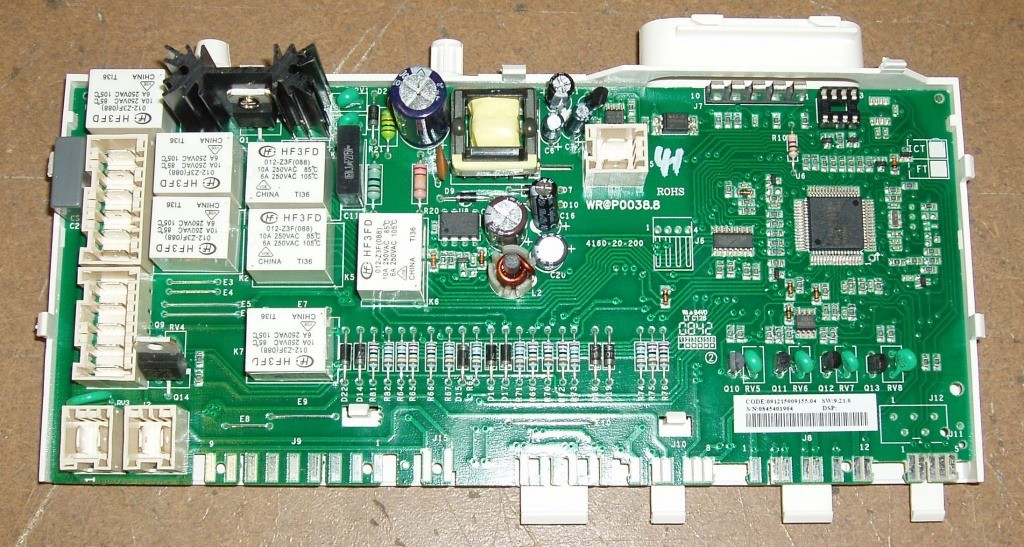
- Option 1: The machine turned on, the user calmly set and started the program, and the door locked. The machine began to hum and spin. After a couple of minutes, the washing machine began to hiss, a faint cracking sound was heard, and the machine froze. In this case, it's safe to assume the error occurred during the water intake. The inlet valve, dispenser hoses, etc., will need to be checked.
- Option 2: The machine starts and fills with water, but the drum is stuck and doesn't spin. A loud cracking noise was heard before the washer stopped spinning. In this case, the cause of the malfunction is a broken motor or a slipped drive belt.
- Option 3: The washing machine ran the program normally until it entered the rinse cycle. The machine hummed as it tried to pump water out of the drum, but no water drained. In this case, you'll need to check the drainage system for clogs. A burnt-out pump could also be the cause.
The performance of most washing machine components: the inlet valve, pump, motor, and others, is assessed using a multimeter.
To test components, the multimeter is set to resistance measurement mode. The tester's probes are then applied to the component's contacts. The values displayed on the device's screen must be compared with the standard values.
What to do after detecting a problem?
Identifying the cause of your washing machine's freezing is half the battle. Next, you need to take steps to fix the problem. Most problems can be fixed yourself; the key is to understand the repair sequence.
Before attempting to troubleshoot a problem, realistically assess your own capabilities to avoid damaging the equipment. For example, if you have problems with electronics, it is better to entrust diagnostics and repairs to specialists. A clogged drain, a faulty solenoid valve, or a burnt-out pump are another matter. These parts can be replaced independently, without calling a professional.
To clear a clog, simply clean the debris filter and impeller blades of any tangled threads or hair, remove dirt from the pump, and flush the drain hose with running water. Even a novice can handle this task.
Replacing the intake valve is a bit more complicated. Let's figure out what to do in this case.
- Unplug the machine from the power outlet.
- Close the shut-off valve on the pipe.
- Remove the housing cover by unscrewing a couple of screws that secure it.
- Find the valve.
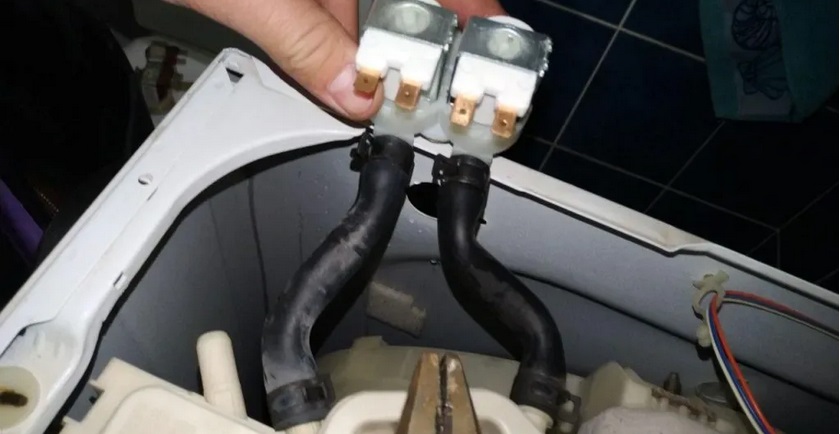
- Disconnect the wires and pipes from the device.
- Unlatch the latches and pull out the fill valve.
- Buy a similar device and install it in place of the old device.
- Reconnect the wiring and all pipes to the valve.
If the timer on your automatic washing machine freezes, you should first reboot the system. Usually, unplugging the machine and restarting it after half an hour resolves the issue. If a system failure isn't the cause, repairs will be required to determine the cause of the problem and take corrective measures.
Interesting:


1 reader comment
Add a comment
Headings
Washing machine repair




For buyers




For users


Dishwasher




Unplugging the power cord helped. The machine washed, rinsed, and finished the spin cycle normally before stopping. Thank you so much.