
The program on my Beko washing machine froze.
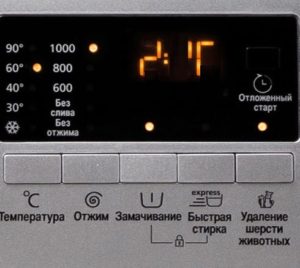 If your Beko washing machine freezes during a wash cycle, there's no need to panic or call a repairman. You can get your machine running again without a service center. The key is knowing what to do first and which system components to check. Calm down, secure the machine, learn about common problems, identify the culprit, and begin repairs. Here are step-by-step instructions.
Situations that provoke freezing
If your washing machine freezes, first rule out a one-time system glitch. To do this, unplug the machine, leave it for 15-20 minutes, and then plug it back in. Typically, a "reset" will clear the error and allow you to continue the interrupted wash cycle.
If restarting the system doesn't help, the problem is more serious. To continue troubleshooting, drain the washer and remove the items from the drum. You won't be able to activate the "Drain" program if the system freezes, so we'll use the debris filter:
- we find the technical hatch door in the lower right corner of the body;
- We pry the door with a flat-head screwdriver, unfasten the latches and remove it;
- pay attention to the dark drain plug and the emergency drain hose located nearby;
- place a container under the filter;
- We unscrew the filter, holding the protruding “handle”, and collect the water;
- We wait for the automatic activation of the door lock, open the hatch and remove the items from the drum.
The door locking device is activated 2-3 minutes after the drum is empty.
After draining, you can begin to investigate the cause of the freezing. Modern washing machines, including Beko, incorporate complex electronic controls. The system operates using numerous "tracks," sensors, microchips, and chips, which burn out and fail at the slightest voltage surge.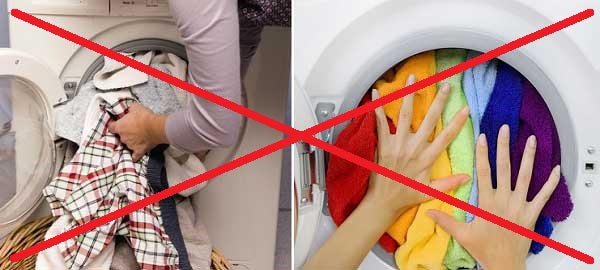
So, the following can cause the system to freeze:
- overloading of the drum caused by exceeding the set maximum weight of the laundry;
- incorrect program selection;
- problems with the UBL;
- blockage in the drainage system;
- broken inlet valve (the machine cannot fill with water);
- failure of the pump or motor;
- electronic malfunction.
Beko is a budget washing machine brand, so its models don't feature sophisticated electronics. However, problems with the control board are rare, and more often, users encounter easily fixable issues. All that's left to do is find the source of the freeze and fix it.
Problem search algorithm
A sudden freeze complicates the situation because the self-diagnostic system doesn't have time to "work" and display an error code. Therefore, you'll have to search for the fault "blindly," relying on logic, knowledge of the washing machine's design, and expert advice. First, we try to analyze the car's behavior before braking, or more precisely, when exactly the failure occurred - immediately after starting or during the wash process.
If the machine stops immediately after starting a program, there are two possible causes: either a faulty locking system or a malfunctioning electronics. A third possibility is user error, an overloaded drum, or an incorrectly selected mode. However, in the latter cases, the self-diagnostic system detects the problem and reports it with an encrypted combination. With a locking system and a circuit board, the machine "goes silent" without any signal.
When the locking mechanism is the cause of the freeze, the machine may also display an error code. However, this usually doesn't happen—the system resets the program completely and stops responding to user commands. To confirm that the electronic lock is the culprit, simply try opening the hatch door. If the handle yields, the locking mechanism is faulty and requires repair. Otherwise, the device is fine.
If the machine freezes, it must be disconnected from the power supply immediately!
The control board can also fail at startup. This is a more serious problem, as attempting to diagnose and repair the module yourself is extremely risky—sensitive microcircuits can easily be irreparably damaged. It's best to entrust the unit's firmware update to a professional service center, who will perform the following steps: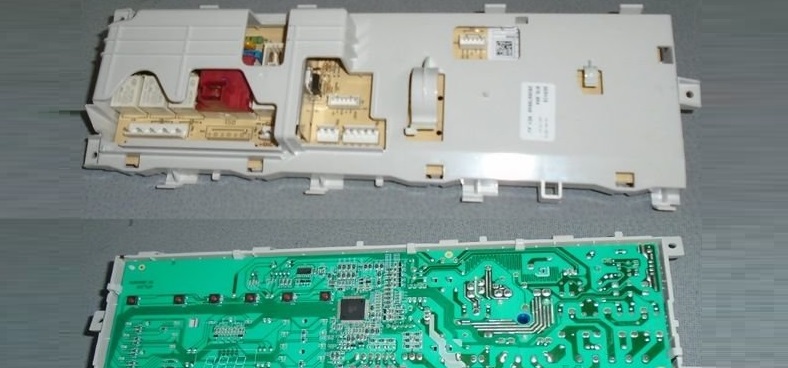
- pull out the powder receptacle;
- detach the instrument panel from the body by unscrewing the bolts holding it;
- They will begin diagnosing the board (using a voltmeter to “ring” all contacts and microelements).
If the freeze occurs during a wash cycle, it indicates a completely different malfunction. To pinpoint the cause, it's necessary to analyze the machine's behavior before the malfunction: the noise level and pattern, the current cycle stage, and the appearance of warning signals (such as an indicator light or error code). Typically, one of the following scenarios is occurring.
- The machine turned on, a wash program was selected, the door "clacked," and the unit began humming. However, after a few minutes, a hissing and faint cracking sound was heard, after which the machine froze and reset. This means the error occurred while filling with water—therefore, the inlet valve or the water supply system is at fault.
- The machine started, the tank filled with water, but when I tried to spin the drum, the machine froze. Before stopping, I heard a loud hum and cracking noise, and the machine still wouldn't accelerate. In this case, the slowdown is caused by a faulty motor.
- After starting, the washing machine filled with water and spun the drum without any problems, but something went wrong when it entered the rinse cycle. The machine began humming as it tried to drain the water and then froze. There's no doubt about it: the drainage system is clogged or the pump is faulty.
Diagnosing and repairing the control board at home is strongly discouraged – knowledge, experience, and specialized equipment are required!
To troubleshoot the problem, you'll need to check every possible weak spot. You'll need to partially disassemble the washing machine, access the valve, motor, or pump, and evaluate their performance using a multimeter set to measure resistance. The quickest way to reach the motor or pump is to tilt the unit back, remove the bottom, and shine a flashlight inside. Then, attach the tester probes and compare the displayed ohms with the normal reading.
Found a problem: what next?
Determining the source of the freeze is half the battle; the other half requires fixing the problem. In theory, repairing and replacing the main components of a washing machine seems simple, but in practice, many novice technicians don't understand what to do and in what order. There should be no doubt, otherwise the desire to save money will result in a “fatal outcome” of the equipment.
But don't be afraid to attempt repairs yourself. You just need to be realistic about your abilities and avoid unnecessary risks with your washing machine. For example, if you're experiencing problems with the electronics, particularly the control board, it's recommended to contact a service center immediately. Meanwhile, clogged drains, pumps, motors, and valves can all be addressed at home.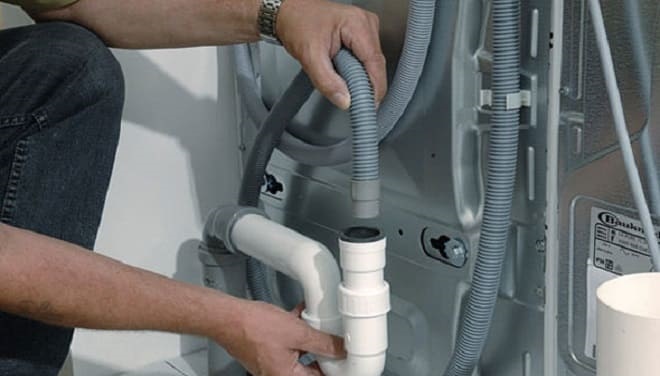
The easiest way to solve a clogged drain is to simply flush the drain hose, clean the debris filter, and remove any debris from the pump. Most DIYers can also replace the inlet valve if they follow these instructions:
- disconnect the equipment from communications;
- remove the top cover of the machine;
- find the valve;
- disconnect the wiring, fasteners and connected pipes from the device;
- remove the valve;
- purchase a new device and install it in place of the old one.
If your machine freezes, the first thing we do is reboot the system—in most cases, the freeze is caused by a one-time glitch. If the problem is more serious, we assess our options before risking Beko needlessly.
Interesting:
3 reader comments
Add a comment
Headings
Washing machine repair




For buyers




For users


Dishwasher




It turned on, but the washing machine doesn’t start.
Thank you, it helped me get the machine started.
During the wash cycle, the machine freezes and starts clicking, and the display flickers on and off. Unplugging it overnight didn't help. The drum spins, fills with water, and drains. We checked the water inlet—everything is clear. We unscrewed the drain at the bottom and checked it—also clear. What's wrong? How do I reset my Beko WSPE6H616W?