
Do I need to ground my washing machine?
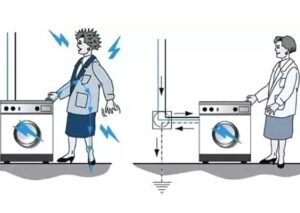 When asked whether a washing machine needs to be grounded, manufacturers and electricians have long since given a clear "yes." Operating the machine without proper protection, especially in damp areas, is prohibited; otherwise, it's easy to cause an electric shock or fire. Warning signs include a tingling sensation when unloading the drum or a pricking sensation when touching the machine's body. Pulling on the machine in such situations is dangerous, as the machine is live. It's essential to have the machine inspected and properly grounded.
In an apartment building
There's a common misconception that only older household appliances with poorly designed insulation require grounding. In reality, this isn't true—all large electrical equipment must be grounded. Even modern washing machines are designed to have 110V potential on the metal parts of the body. The problem lies in the surge protector, which all washing machines are equipped with. The surge protector requires the phase and neutral wires to be connected to the machine's walls, which, if leaked, can be dangerous for the user. If the washing machine frequently experiences electric shocks, the capacitor is often the cause. In this case, the problem can be solved by disconnecting the surge protector's midpoint terminal in the machine's power supply circuit. This will stop the power from flowing to the machine's body.
Running a washing machine in the bathroom without grounding is dangerous!
Even better, ensure high-quality grounding. Properly installed wiring in an apartment must comply with the following standards:
- the panel is equipped with neutral and grounding buses (marked N and PE, respectively);
- the phase wire (red) passes through the RCD before exiting the panel;
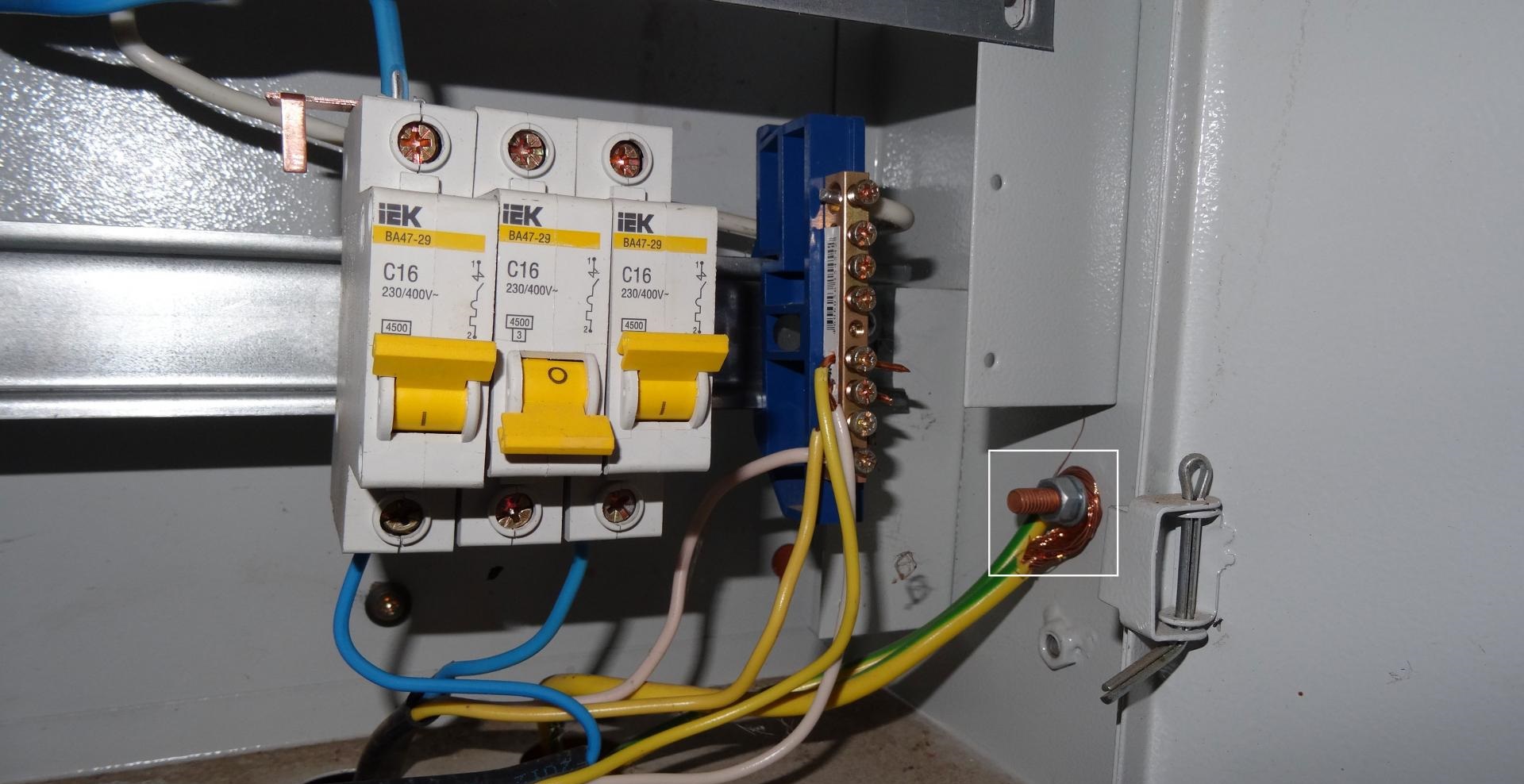
- the washing machine is connected via a separate outlet;
- the power line under the machine is laid with a copper wire with a cross-section of 1 mm for every 2 kW of machine power;
- The wiring in the socket is connected in a certain way (the blue neutral wire marked N and the phase (L, red) are connected to the pins, and the green grounding PE is connected to the contact plate).
According to safety regulations, running a washing machine without a grounding connection in a bathroom or other high-humidity area is prohibited. Furthermore, operation in a so-called "wet zone" requires connection only to a moisture-resistant outlet. The electrical outlet must have a minimum IP44 rating, ideally higher.
Private home ownership
In a private home, grounding is organized differently than in an apartment. A three-wire cable must be installed from the electrical panel to the outlet using the TN-C-S system. Another option is to equip all electrical wiring branches with RCDs with a setting of 10-30 mA. Sometimes electrical systems are installed using the Soviet TN-C standard, which stipulates that the network cable only has two wires—phase and neutral. In this case, it is necessary to install a separate grounding wire, connecting it to the PE busbar. This is more labor-intensive and less aesthetically pleasing, but it is reliable and safe.
You can find out if there is grounding with a simple test. Simply turn the multimeter into ohmmeter mode, hold one probe in your hand, and place the other on the metal part of the washing machine body. Then we evaluate the results. If the display shows "0," the circuit breaker is grounded. If the display shows 100-110V, we conclude the opposite—there is no current leakage protection. In the latter case, you'll need to establish a ground connection yourself.
Making grounding
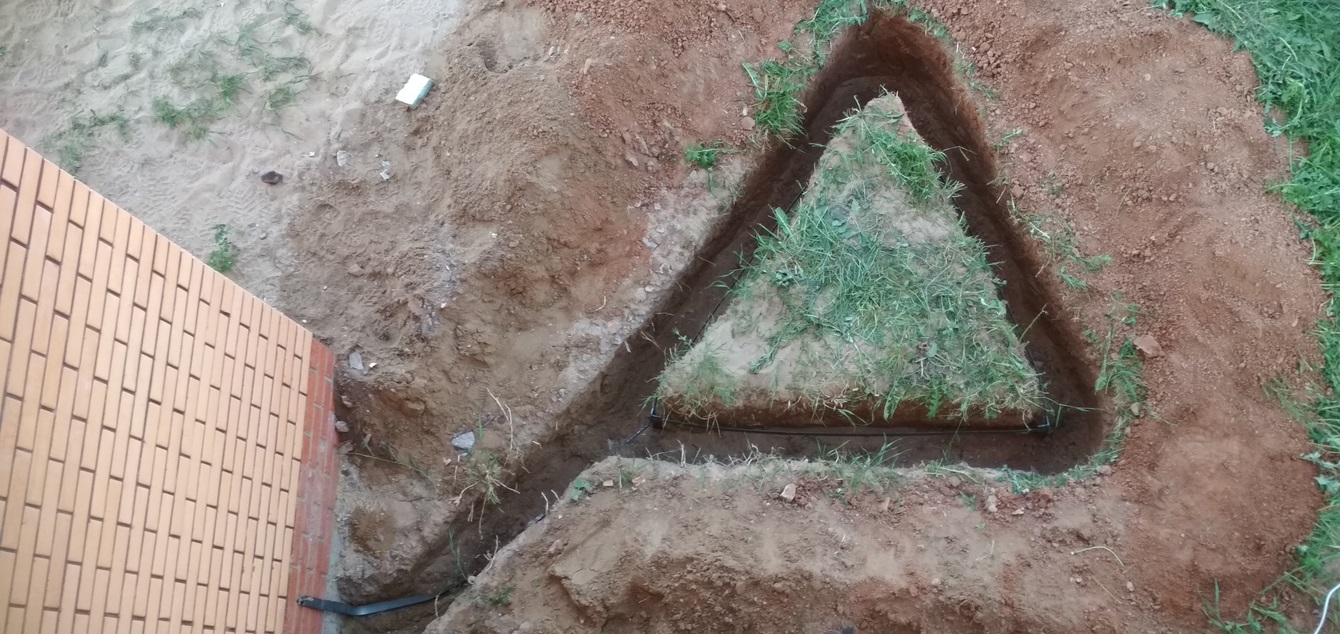
If there's no central grounding system, nor is there a corresponding busbar in the electrical panel, there's another way to protect yourself. This involves supplying ground from a homemade device. You can build one yourself; the main thing is to find the materials and a clear spot to bury it. To ensure the current flows from the washing machine to the ground, it must be spread out in the soil. To do this, bury a metal circuit a meter from the house wall on the wettest side. This will "discharge" about 30 ohms. The instructions are as follows:
- dig a trench in the shape of an equilateral triangle, where each side is 3 m (other parameters of the pit: depth - 1 m and width - 50-70 cm);
- dig a trench 0.8-1 m deep from the triangular trench to the electrical panel (the wire will be laid in it);
- take three steel corners measuring 40x40x5 mm and at least 3 m long;
- hammer a steel corner into each corner of the triangle so that at least 15 cm remains to the bottom;
- weld steel plates 4 mm wide and 40 mm long to the corners;
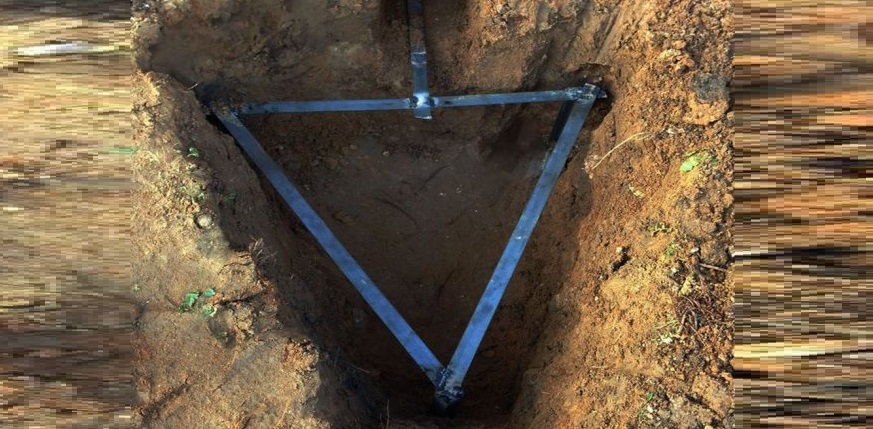
- weld a steel rod with a diameter of 10 cm to the resulting triangle (it will become the grounding conductor);
- weld an M6 bolt to the other end of the rod (it is necessary for connecting to the grounding bus in the panel);
- place the rod in the ditch;
- fill all the holes with earth.
There's also a quick grounding option that's suitable as a temporary measure. Run a single-core copper wire with a cross-section of 2-2.5 mm from the electrical panel with the grounding busbar. Then, cut a groove to the outlet designated for the washing machine, run a cable channel with a conductor through it, feed it into the wall box, and connect it to ground. Before any manipulations, be sure to de-energize the room.
You can't ground like that.
Some DIYers suggest an even simpler grounding solution. Screw a bolt into the washing machine's body, connect one end of the wire to it, and attach the other end to a water pipe or radiator, cleaning the contact area. Yes, this method works—if there's a leak, the current will safely leave the machine. But there are a few important "buts":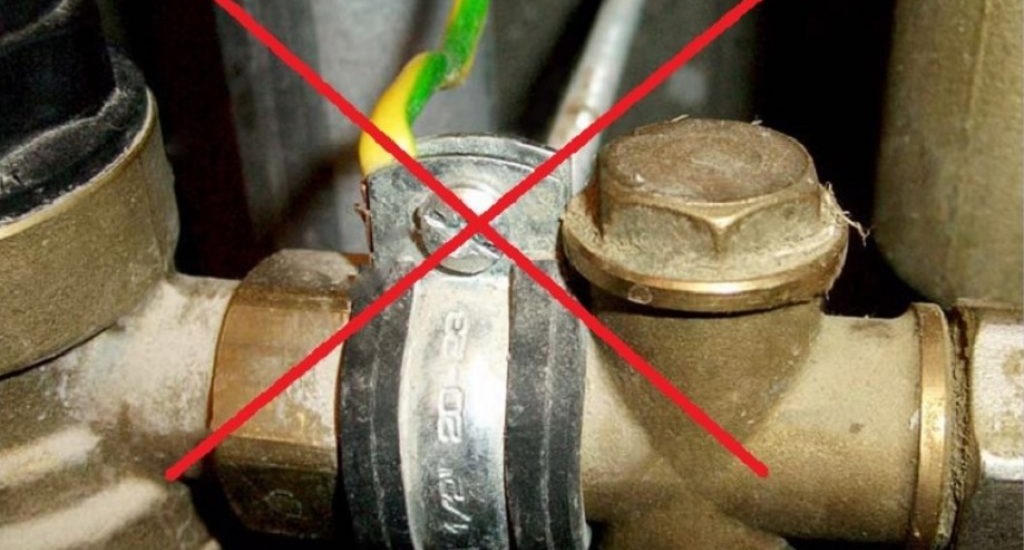
- it is unsafe - touching the pipe will be dangerous to life and health, and neighbors will also be at risk;
- This is destructive - when the current passes through the pipes, it negatively affects the riser, cracks appear, which can lead to flooding.
Let's reiterate that the "plumbing" method of grounding is prohibited by electrical safety regulations. It's best to call an electrician and have a safe grounding system installed.
Interesting:


Readers' comments
Headings
Washing machine repair




For buyers




For users


Dishwasher




Add a comment