
How to wash blinds in a washing machine?
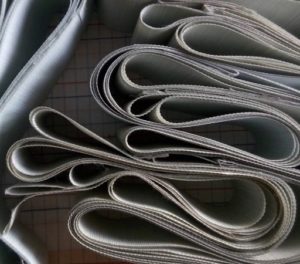 Sometimes windows are adorned not with classic curtains, but with more modern and functional blinds. These are vertical strips of fabric that can be adjusted in height or tilt for better protection from the sun's rays. However, like other curtains, they also require regular cleaning to remove dust and dirt, and special care must be taken. Ideally, these blinds should be dry-cleaned, but you can save money by machine-washing or hand-washing them. If done correctly, the curtains will not be damaged.
Gather information about blinds
To ensure that cleaning your blinds at home goes smoothly, proceed slowly and with extreme care. First of all, you need to study the manufacturer's instructions, find out the composition of the canvas and the optimal cleaning conditions. The next step is to visit online forums and read consumer reviews. Some slats are prohibited from being washed even by hand, while others can be safely thrown into the washing machine.
Before washing blinds, please read the manufacturer's recommendations!
It's best to focus on the material the slats are made of, as this determines the type and method of cleaning. If your blinds are made of expensive natural fabrics, jacquard, or cotton, machine washing is recommended. Even wetting such items is prohibited; only dry and superficial cleaning is recommended. Otherwise, the blinds will shrink significantly and lose their original shape and color.

Synthetic blinds, such as polyester, acrylic, and nylon, are machine washable. Unlike natural fabrics, synthetic ones are more resistant to moisture and temperature fluctuations, so they can withstand both hand and machine cleaning without damage. However, there are some caveats: it's important to clean the blinds gently and carefully, following basic recommendations. Otherwise, the slats and the entire mechanism will become deformed.
Removing textile elements
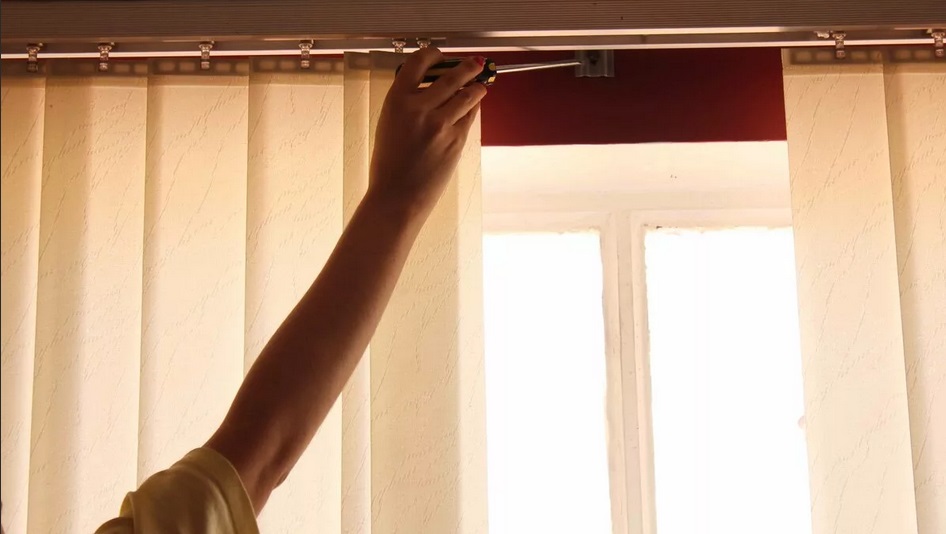
The entire structure is not washed, only the fabric "strips." It's logical that before washing, the blinds must be removed from the support bar, freeing them from the weights and chain guide. It's best to follow the manufacturer's instructions strictly to avoid damage and creases. The key is to unhook the blinds carefully and sequentially:
- Use the control chain to turn the blinds to the “open” position;
- release each strip from the lower guide chains (remove the ropes from both the front and back sides);
- remove the weights;
- detach the strips from the cornice.
To avoid confusion during assembly, it's recommended to record your steps with a camera. This will make it easy to reverse the process.
Description of the process
Once you've decided to use a machine wash and removed the blinds from the rod, you're ready to begin. But don't rush into loading the blinds into the drum—first, you need to prepare the washing machine and the slats for cleaning. The first step involves cleaning the machine:
- we take out dirty laundry from the drum;
- We take the powder container out of the housing and rinse it thoroughly under the tap, as any powder remaining in the container can damage the blinds;
- We run the washing machine "empty" on a fast program to wash away any remaining powder and dyes from previous washes from the walls of the drum.
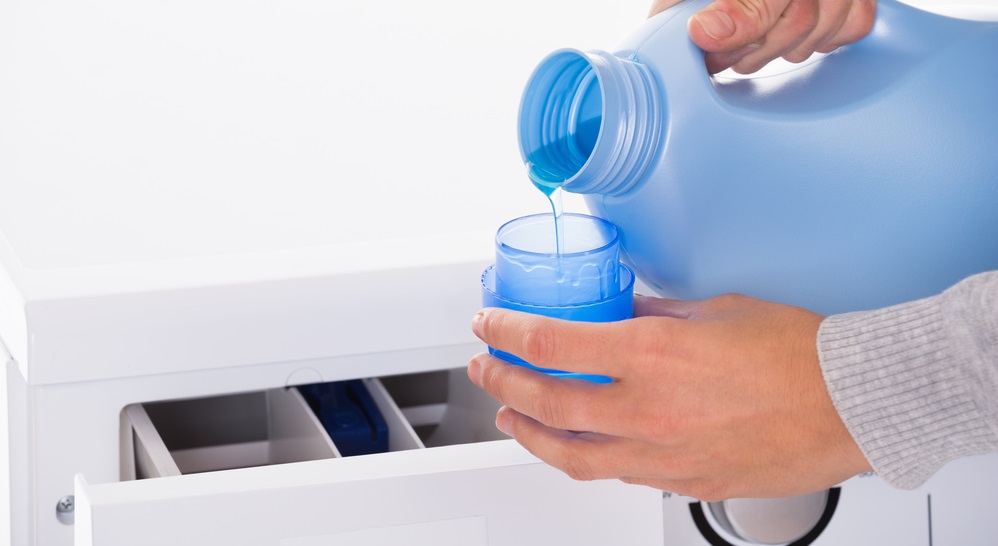
After emptying and rinsing the machine, you can move on to the second stage – choosing a detergent. The best option would be a liquid detergent for delicate fabrics. Pay special attention to the color of the fabric: for whites, select a gel for light-colored laundry, for bright colors, a gel for colored laundry, and for dark colors, a gel for black laundry. We'll cover other nuances in more detail in a separate section.
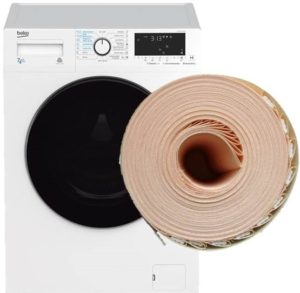
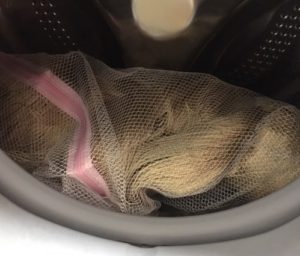
Before loading into the washing machine drum, the blinds are rolled up and placed in a special protective bag.
In the third step, load the blinds, removed from the rod, into the washing machine drum. Don't crumple them; follow the instructions:
- we twist each strip into loose rolls (it is advisable to secure the “cup” with thread);
- We put all the rolls in a protective mesh bag;
- we close the hatch door.
Next, pour the desired amount of gel into the main compartment of the detergent drawer and begin setting up the machine. First, select the gentlest program, such as "Delicate," "Manual," "Sensitive," or "Lingerie." If there's no suitable program, set the parameters manually:
- spin – no more than 500 rpm, ideally reduce to “0”;
- Automatic drying – turn off;
- temperature – up to 30 degrees;
- additional options such as EcoBubble, easy ironing or steam supply – turn off;
- rinse – turn off.
All that's left to do is activate the cycle and wait for it to complete. If everything is set correctly, the washing machine will wash the blinds gently, just like hand washing. Once the cycle is complete, hang the blinds to dry.
Removing moisture from blinds
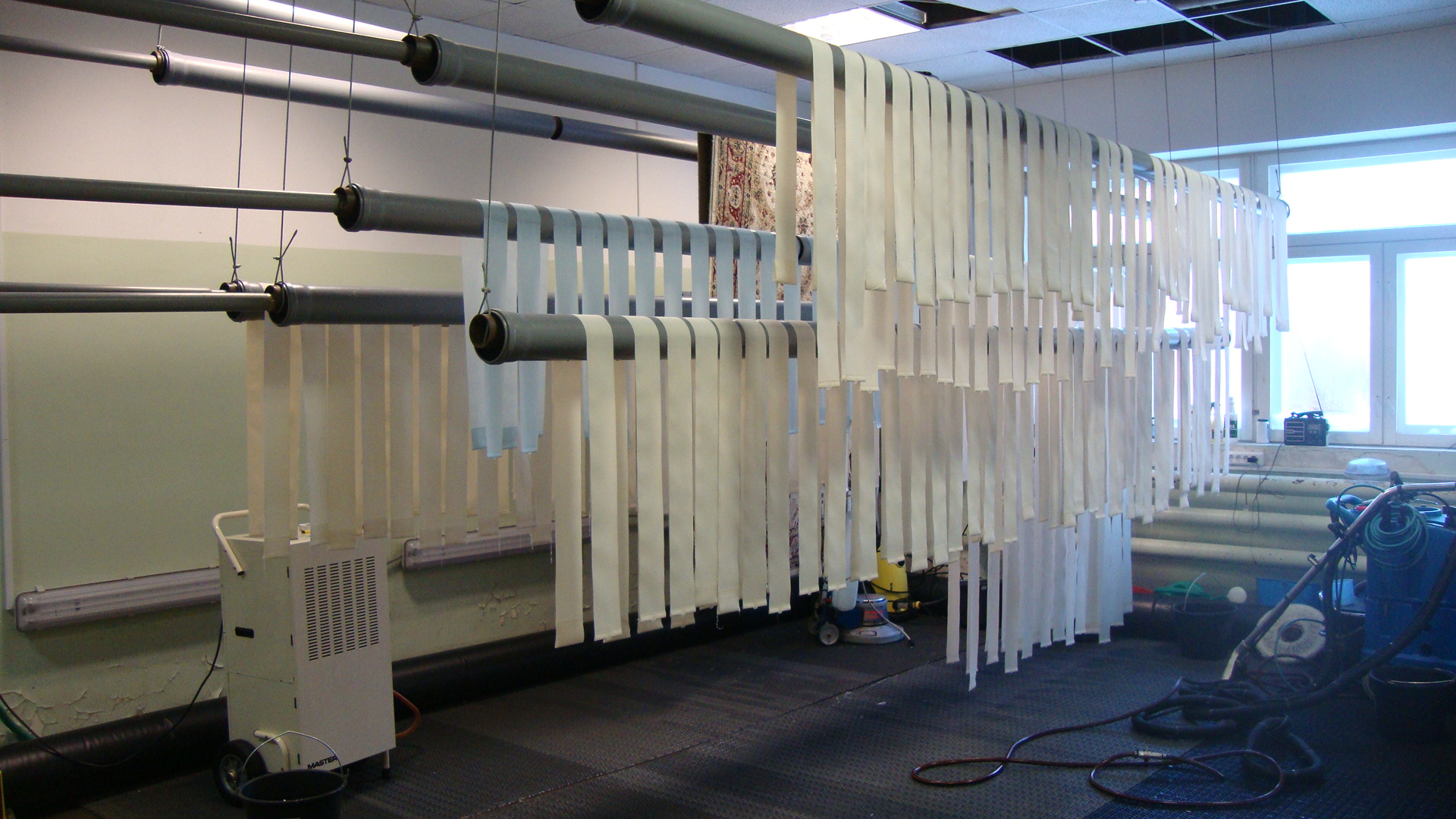
Washed blinds need to be dried properly to allow the fabric to straighten and prevent shrinkage. First, remove the bag and threads from the slats: unroll the rolls and hang the strips vertically on a clothesline. Secure the top with a clothespin or clip. They cannot be kept in a horizontal, twisted or folded position for a long time, otherwise deformation cannot be avoided.
Dry blinds only in a vertical position and naturally.
For drying, choose a shaded and ventilated area outdoors, protected from direct sunlight. You can skip the hassle and immediately hang the slats back on the rod while they're still damp. The key is to return the weights to the ends of the strips to ensure the fabric straightens evenly.
Accelerating the drying process with heating devices or a hot hair dryer is strictly prohibited. Ironing is also prohibited. Blinds dry and straighten only naturally, using room temperature and their own weight.
Cleaning in a traditional way
Washing blinds by hand is safer, but more difficult and time-consuming. If the slats only need to be refreshed or a few small stains removed, cleaning can be done directly on the window without removing the fabric from the rod. However, if a full wash is required, this isn't possible—you'll have to remove the slats and begin the arduous process. For hand cleaning, you'll need a large basin or bathtub, a gentle detergent, a faucet with running water, and a sponge or soft brush.
- A suitable detergent (a gel with a gentle composition) is dissolved and foamed in a basin or bath.
- The removed slats are washed one by one under warm running water, and then the prepared soap solution is added.
- Soaking lasts at least 20-30 minutes, during which time the stains will soften and come out of the fibers.
- The dirty water is drained, after which each strip is wiped with a sponge soaked in soap (it is important to clean in the direction of the length, from top to bottom, as circular or transverse friction will lead to abrasions, scratches, deformation and streaks).
- Foam and dirt are washed away immediately.
- Clean sheets are stacked on top of each other, rolled into a roll and placed in a container with clean water for rinsing.
You can only rub the blinds with a soft sponge, moving strictly from top to bottom.
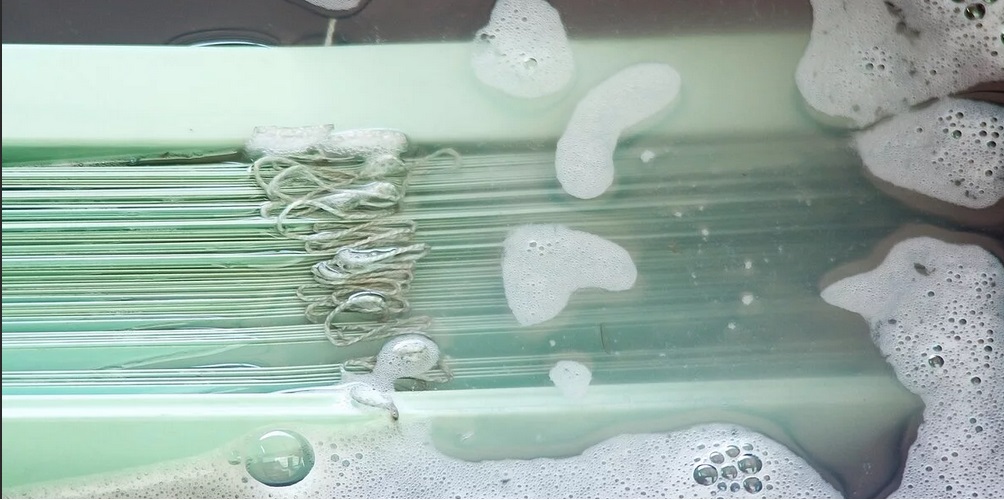
That's it! All that's left to do is remove the slats, shake them out, and hang them to dry. Don't wring or twist the sheets—the water should drain naturally from the fibers.
How to wash blinds?
Choosing the right detergent for washing blinds is of utmost importance. Aggressive components, bleaches, chlorine and alkalis can damage the structure of the fabric and lead to deformation of the fabric. Dry powder mixtures will have a similar effect, as the granules dissolve poorly in cold water, are not completely washed out, and get stuck in the fibers.
To clean blinds, select a delicate liquid detergent.
The ideal option is a liquid detergent concentrate for washing delicate fabrics and wool. Various chlorine-free gels are also excellent. It's also worth paying attention to the color of the fabric being washed, as the detergent should be selected according to the shade of the curtain: light, colored, or dark.
If you don't have special gel, baby soap or laundry soap will do. Grate the bar and pour the appropriate amount of shavings into the drum or basin. Even better, dissolve the soap bars in a glass of water first and pour the resulting solution into the dish.
Interesting:



Readers' comments
Headings
Washing machine repair




For buyers




For users


Dishwasher




Add a comment