
Adjusting the water hardness in a Bosch dishwasher
 Dishwasher users often neglect their water hardness settings, which can lead to irreversible damage over time. However, adjusting the water hardness in your dishwasher is a crucial procedure that should be repeated several times a year. This will not only optimize salt granule consumption but also extend the life of the dishwasher. This is especially important because tap water hardness fluctuates regularly, requiring periodic adjustments to your dishwasher's settings. Let's learn how to do this yourself.
We make the settings ourselves
Setting the water hardness on your Bosch dishwasher is very easy if you have detailed instructions at hand. With our guide, even a novice can handle this procedure if you follow each step carefully.
- Activate the dishwasher.
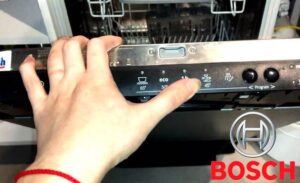
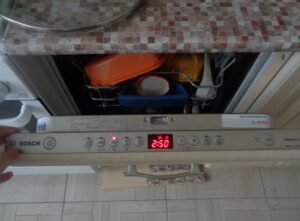
- Press and hold the “Start” and “Auto” buttons for a couple of seconds so that the system displays a certain water hardness level on the display, for example, “H:05”.
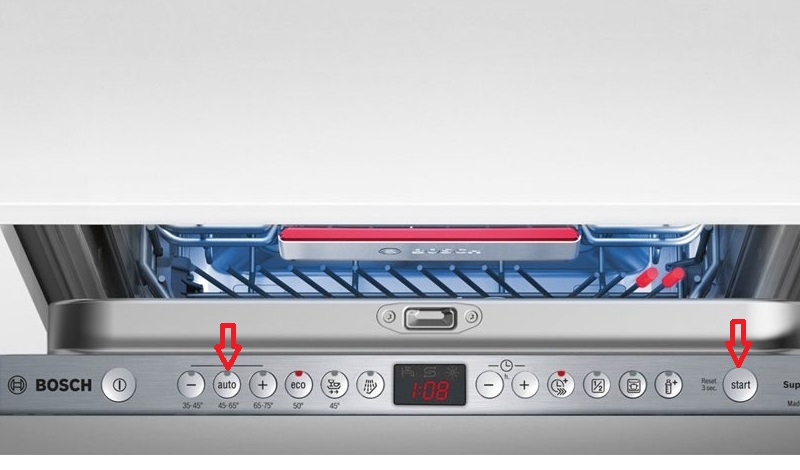
- Using the Plus and Minus buttons, set the salt consumption you require, and then press the Start button.
This is how you can set the consumption of salt granules in your dishwasher in just three steps. The procedure takes only a few minutes, so don't neglect it when the seasons change.
When you're having trouble adjusting your dishwasher's water hardness because you don't know the right level, here's a quick cheat sheet to help.
- If your water supply has high quality water with a hardness below 6 dH, then you should set the minimum flow rate – “H:00”.
- When the hardness is fixed at 6-8 dH, the level “H:01” is suitable.
- From 8 to 10 dH requires a flow rate of "H:02".
- If the hardness ranges from 10 to 12 dH, then you need to set “H:03”.
- From 12 to 16 dH requires setting "H:04".
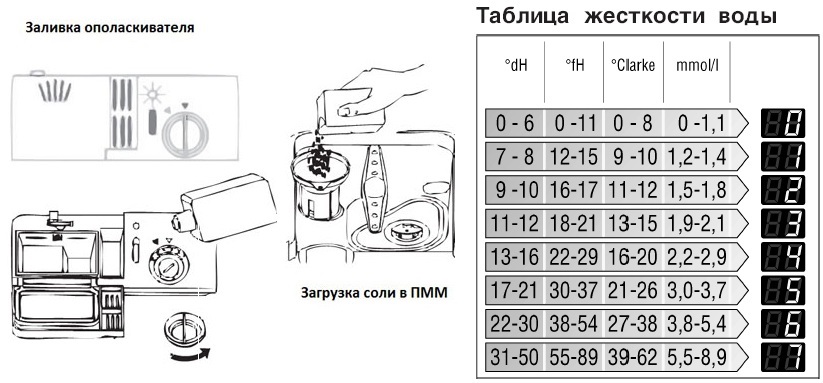
- Water hardness from 16 to 21 dH is leveled by the setting “H:05”.
- For high hardness from 21 to 30 dH, you need to select the “H:06” setting.
- And for the lowest quality hard tap water with dH values above 30, you need to set the maximum salt consumption to “H:07”.
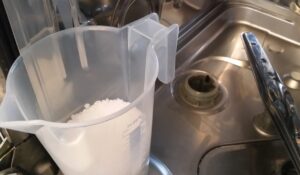
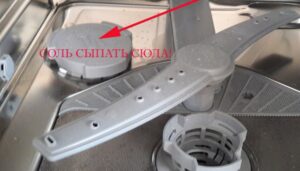
If your tap water is very hard, you should add special salt granules (such as Finish or similar brands) to the salt bin at the bottom of the dishwasher. These will reduce the negative impact of poor-quality water on the dishwasher's internal components.
That's why it's so important to set the salt flow rate correctly. The right settings and special salt not only extend the life of your dishwasher but also improve the cleaning quality. Make sure the salt tank is always stocked with salt granules, as the salt can run out in as little as a month if the flow rate is set too high.
Is the tap water soft?
It's very easy to determine and set the correct salt consumption rate if you live in a large city where the administration or utility services provide up-to-date information on tap water quality. In this case, simply call the hotline or visit the official website, where information about water hardness will be provided. If you live in a small town, you probably won't be able to determine the hardness of your tap water this way. But don't worry, you can find out the hardness yourself using simple methods.
- Mass comparison. To do this, compare the mass of water taken from different sources. Take several identical glasses, fill them with water, and weigh them on a kitchen scale. This method will give you a rough estimate of the liquid's quality, as the heavier the liquid, the harder it is. This won't help you determine the required amount of salt in your dishwasher, but it will give you a rough estimate of the water's quality.
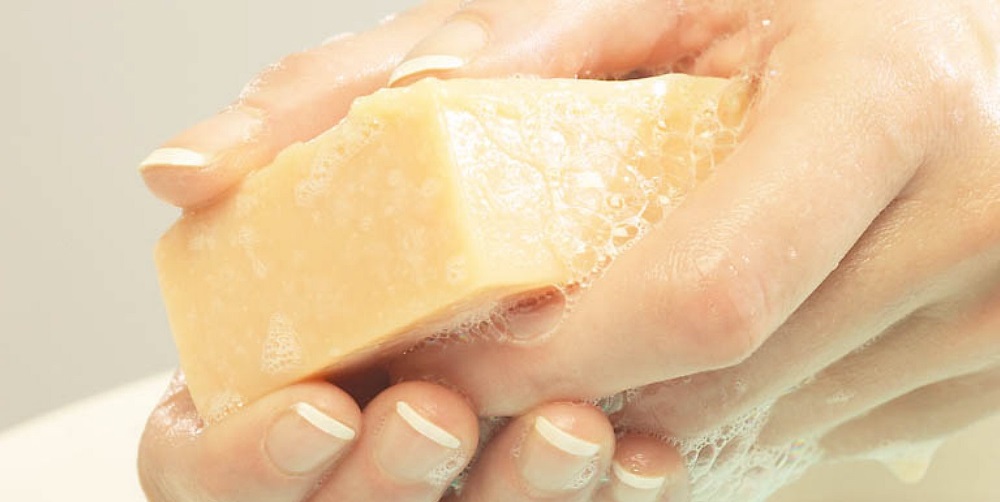
- Determining soapiness. For this test, you'll need regular laundry soap, which you'll use to vigorously lather your hands after soaking it in water. If the soap is too hard, the soap will lather poorly; if it's soft, the opposite will happen – it will lather heavily and rinse off slowly.
- Scale buildup. Another rough way to assess water quality is by monitoring scale buildup on your kettle and other appliances. The faster scale and sediment buildup, the worse and harder your tap water.
- Turbidity. This is a final, rough assessment method that can confirm water hardness without providing precise data. Fill a clear plastic bottle with tap water and store it in a dark place for several days. If a film and cloudiness forms on the walls, the water is definitely hard.
- Test strips. This is the most reliable method of testing, as it provides accurate information about the water. They come in several types, the most common of which are strips treated with a special compound. These strips are often included with Bosch and Miele appliances. Dip the tester in the water for one second, then compare the result with a table that lists all possible strip colors and the dH value indicated by the color.
Biosensor Aqua testers are also available, which work similarly but with slight differences. These strips need to be held in the liquid for a few seconds and then wait about a minute for the color to appear. Then, compare the results with the chart.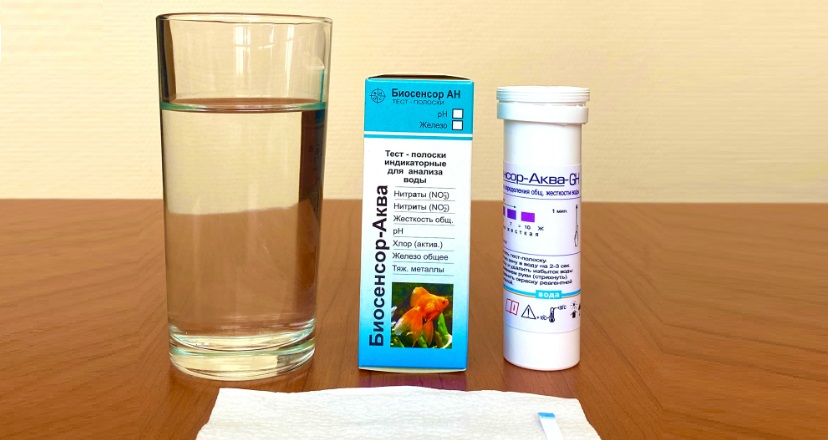
You can also find strips on the market that are meant to be used with special reagents. In this case, you first fill a glass with water, dip the strip in, and then gradually add the reagent. After the strip changes color, consult the table for water hardness values.
All strips are disposable for testing tap water quality, so if you want to save money on a tester, you can purchase a reusable TDS meter for regular testing.
Test strips are considered the best, most inexpensive testing method, as they're cheaper than reusable testers and much more accurate than subjective water hardness assessment methods. Therefore, if you can't find up-to-date information on tap water quality on city portals, the easiest way is to buy a test strip.
Interesting:
Readers' comments
Headings
Washing machine repair




For buyers




For users


Dishwasher




Add a comment