
Washing winter sneakers in a washing machine
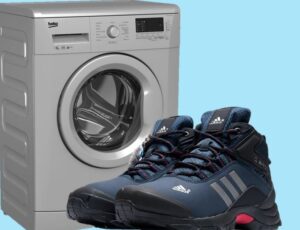 Many people wonder whether winter sneakers can be washed in the washing machine. There's no single answer to this question; each case is unique. First, you need to check the manufacturer's recommended care instructions. All information is on the care label. If machine washing is permitted, it's important to choose the right washing cycle and detergent. Let's explore the nuances.
Will the shoes get damaged in any way?
Shoes are very difficult to keep clean. They constantly get dirty, no matter how carefully their owner walks. Leather shoes are relatively easy to clean—just wipe the surface with a special sponge—but fabric sneakers are more difficult. Fortunately, some items are machine washable—this information is clearly on the tag.
Check the label on your sneakers to see if the manufacturer allows them to be machine washed.
If the tag is missing or the information on the label has faded, check the fabric the sneakers are made of. Suede, leather, and fur should not be machine washed. If these materials were used in the production of the shoes, you will need to clean them by hand.
Synthetic sneakers are perfectly machine washable. Nylon, polyester, and other low-maintenance materials are perfectly machine washable. The same can be said for cotton shoes.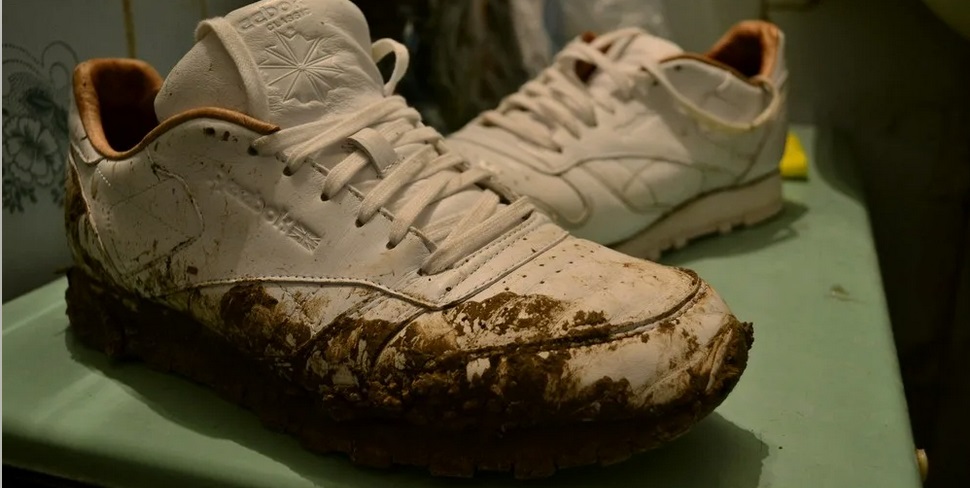
PVC and polyurethane sneakers are generally safe to wash in the washing machine, but proceed with caution. It's crucial not to overdo the washing temperature, and you should avoid spinning altogether. In this case, be sure to check the manufacturer's recommendations to avoid damaging the pair.
In addition to the material, it is important to evaluate the quality of the sneakers. If the shoes have minor defects, there are places where the sole is peeling off, or it is clear that the manufacturer used a lot of glue, such a pair cannot be washed in a washing machine. After mechanical impact, products may completely lose their appearance.
Sturdy, high-quality textile sneakers are machine-safe. Quality shoe manufacturers use water-resistant gel that's machine-safe. This adhesive can withstand frequent washing in a washing machine.
Even if the sneakers' tag says hand-wash only, if they're well-made, you can try washing them in the washing machine. Modern washing machines feature delicate cycles that will help ensure the integrity of your favorite pair of shoes. This doesn't apply to leather or suede, as these materials won't survive prolonged exposure to water.
What does the manufacturer write?
As mentioned earlier, the first thing to look at is the label. It contains the manufacturer's basic care instructions. It's usually located under the tongue of the shoe.
Information on how to care for branded sneakers can be found on the supplier's website.
Owners of winter sneakers from Puma, Adidas, Nike, Reebok, and other major brands will have no trouble. Care instructions are readily available online. Simply search for your model online and follow the manufacturer's recommendations.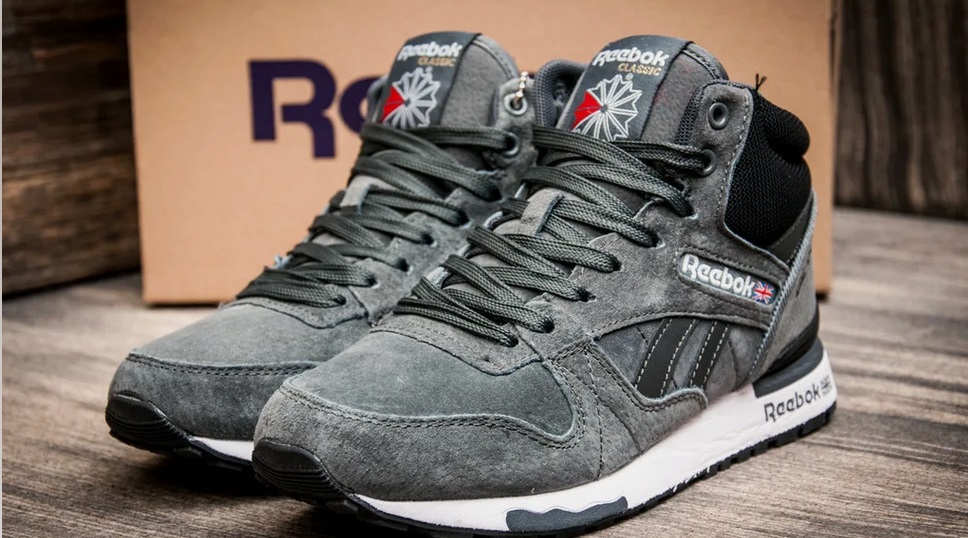
Owners of sneakers from less common brands will have a more difficult time. If there's no tag, they'll have to rely on external factors and make their own decision. Carefully inspect the sneakers, looking for defects, loose threads, and visible layers of glue. If the shoes seem fragile, it's best to play it safe and clean them by hand.
Pre-treating a pair of sneakers
After checking the label and confirming that machine wash is allowed, don't rush to load your sneakers into the washing machine. You need to prepare your shoes. What do you need to do?
- Remove the laces from your sneakers. Wash the strings separately.
- Clean off dried mud from the soles and remove any stones stuck in the tread.
- Remove the insoles. If they smell unpleasant, sprinkle them with baking soda and leave them overnight. Simply shake the solution off in the morning.
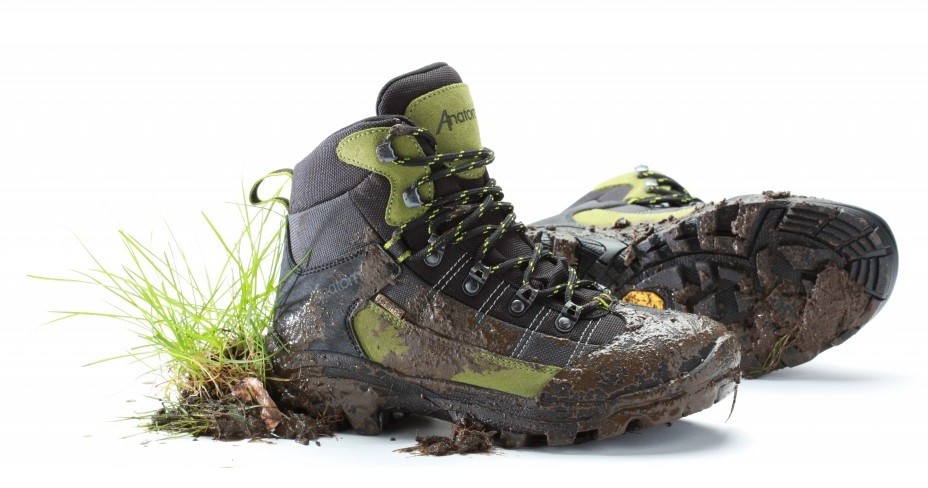
- If the material has stubborn stains, treat these areas with a stain remover. If necessary, soak the entire sneaker in warm water for 10-15 minutes.
- Line the bottom of your washing machine's drum with a towel to cushion the impact of your shoes on the stainless steel interior. The fabric will protect both the machine and your sneakers.
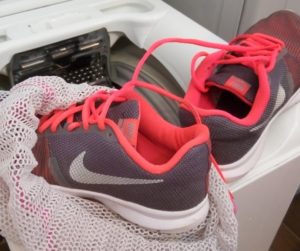
- It is advisable to place the sneakers in a bag intended for washing shoes.
You can buy these bags at a hardware store. They will provide additional protection for both your shoes and your washing machine drum. By following these simple guidelines, you can expect excellent washing results. Your sneakers will remain safe and sound.
Selecting an algorithm
It's equally important to choose the right detergent and set up your washing machine correctly. Some washing machines have a special mode for shoes. If there's no such program, you'll have to choose one yourself. Pay attention to the water temperature—it shouldn't exceed 40 degrees Celsius. The spin cycle should be turned off.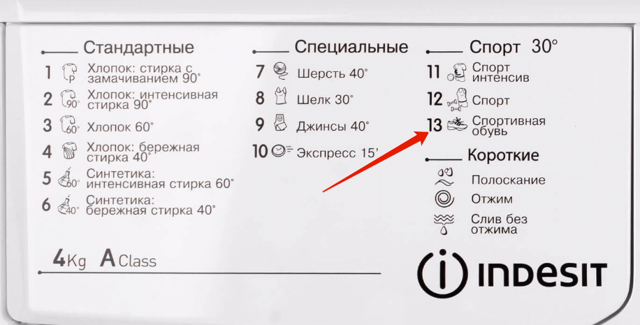
Therefore, study the functionality of your automatic machine. The “Shoes”, “Sneakers” or “Sportswear and Shoes” programs are ideal for washing. If there are no such algorithms, it is recommended to choose one of the delicate modes "Hand wash", "Gentle", etc.
When washing shoes, be sure to turn off the spin cycle if it is included in the settings of the selected program.
As for laundry detergent, a gel detergent for sportswear and shoes is best for sneakers. Unlike regular detergent, the liquid immediately dissolves in water and is easier to rinse out of the material. This will prevent streaks from leaving behind.
Some housewives recommend adding shoe washing pads to the washing machine. They prevent staining. This is especially helpful when washing multicolored sneakers, such as black and white.
Drying shoes correctly
After washing, there's one more important task: drying your sneakers. This, too, has its own nuances. Avoid placing these shoes in the dryer; moisture should evaporate naturally.
Also, avoid drying sneakers near heaters or radiators. Avoid exposing your shoes to direct sunlight. Ideally, place your sneakers outdoors, in the shade, or in a well-ventilated area.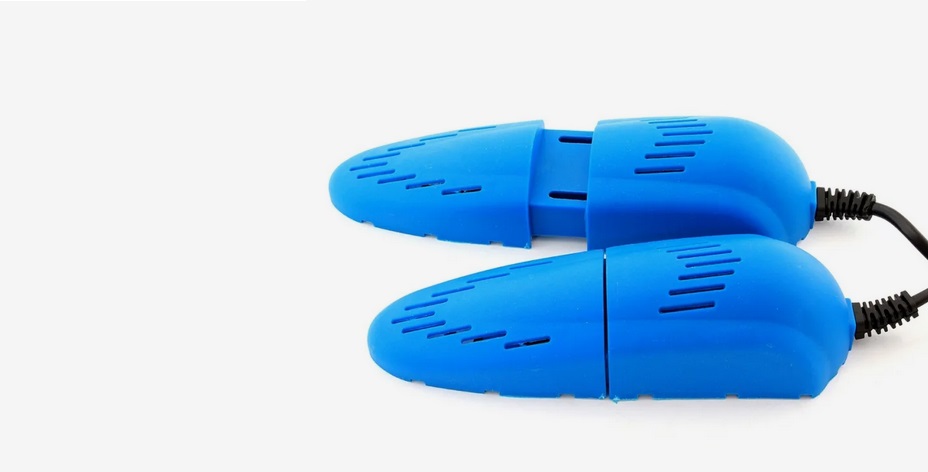
To help the sneakers retain their shape, you can stuff them with white paper. It's important that the paper is clean and free of ink and printer's ink. Newspapers and magazines are not suitable.
Paper will not only prevent the shoes from becoming deformed but also help them dry faster. The sheets will absorb excess moisture, so it's recommended to change them periodically. It's best to avoid using special electric dryers.
Interesting:
Readers' comments
Headings
Washing machine repair




For buyers




For users


Dishwasher




Add a comment