
"No spin" sign on a washing machine
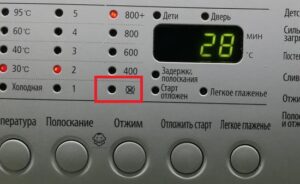 Modern washing machines have a fairly informative control panel. The abundance of buttons, labels, and images often confuses users—it's unclear what to press and why. The manufacturer's instructions are often helpful, but they're not always readily available. Difficulties often arise with the "No Spin" icon. We suggest explaining what this button is, how it helps during washing, and when it activates.
Description of the specified sign
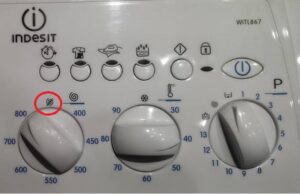
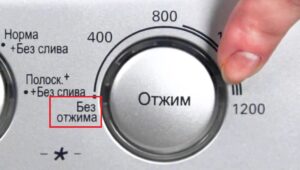
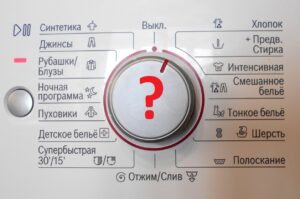
The "No Spin" symbol is not always written in letters. On many washing machines it is indicated schematically - by an image of a crossed-out spiral or a basin. On some dashboards there is no separate button; instead, there is a “0” position in the spin speed column.
This feature is called "No Spin" and is supported by many modern washing machines. As the name suggests, when activated, the machine does not spin the laundry. This is necessary when washing delicate fabrics, such as wool, silk, or lace. Typically, the label on such garments prohibits wringing, which, if the machine has a "no spin" program, is not a reason to wash them by hand. This option does not always simply disable the spin cycle. Some washing machines also offer the following additional features: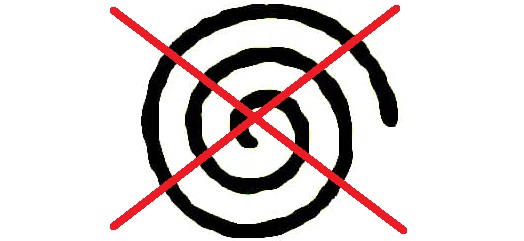
- Electrolux models eliminate all spin cycles, install a single drain cycle, and increase water intake during rinsing – all of this prevents fabric creasing;
- On Bosch machines, the final spin cycle is switched off, but the drain is not activated – the laundry remains “lying” in the full drum.
The "No Spin" option is enabled when washing delicate fabrics!
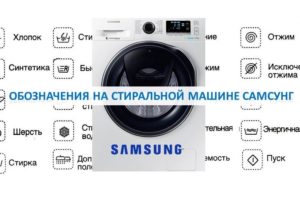
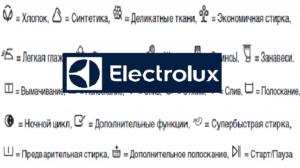
It's best not to experiment, but to carefully read the manufacturer's instructions. They explain in detail all the symbols on the washing machine, as well as all the programs and options.
Spin control
Adjusting the drum spin speed is easy—even a beginner can handle it. Interestingly, you can adjust the machine's acceleration within the program or separately. In the latter case, follow these steps:
- We load clothes into the drum, focusing on the minimum or maximum capacity of the machine;
- close the door tightly;
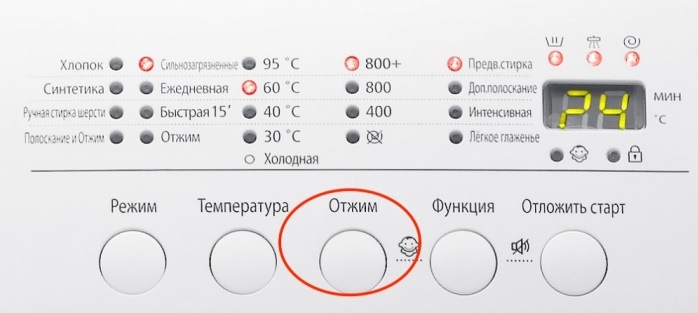
- turn the programmer to the “Spin” position;
- select the drum rotation speed using the handle or button, depending on the model;
- We activate the cycle by pressing “Start/Pause”.
Many washing machine manufacturers allow the spin intensity to be varied both at startup and during the cycle. Thus, on machines from Bosch, Samsung, Candy and a number of other brands, you can reduce or increase the speed at any time before the spin cycle begins.
Optimal spin speed
The number of revolutions per minute (RPM) a washing machine reaches depends on the model. Typically, the minimum value is set at 400, and the maximum spin speed is 1800. It's easy to check the machine's speed—just check the manual or the dashboard.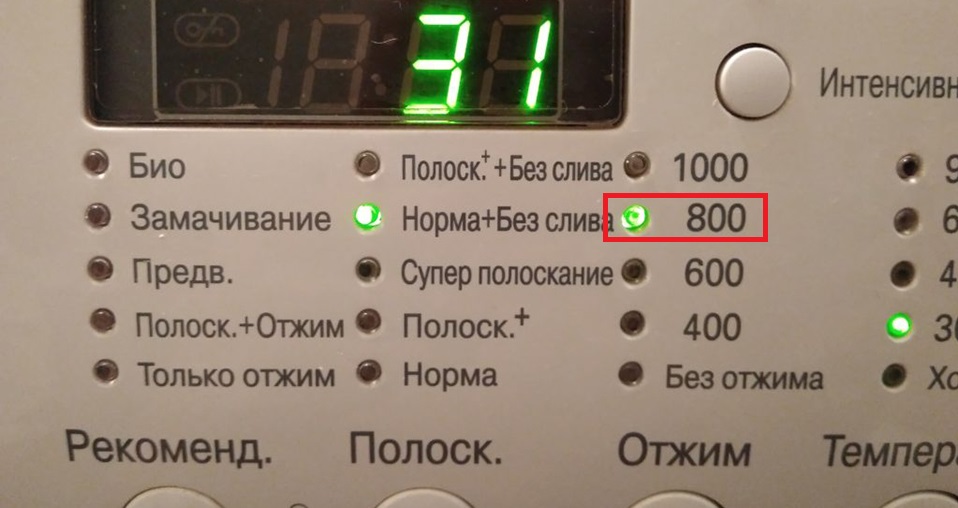
As a rule, many machines allow free variation of the spin speed, including its cancellation. When selecting a program, the system-set value is first set, but if desired, the user can adjust the “norm” by lowering or increasing it. This is easy to do—using a handle or a button. The faster the drum spins, the more intense the spin cycle. However, it doesn't always make sense to spin the machine at maximum speed—most fabrics dry best when spinning at 800-1200 rpm. Frequent high-speed spin cycles have several consequences:
- washing machine components wear out faster;
- there is a risk of tissue damage;
- an imbalance is possible.
Smart washing machines often automatically limit the maximum spin speed on certain programs. These programs are for washing fabrics that don't tolerate intense spinning, such as "Wool," "Delicates," "Hand Wash," and "Silk."
Interesting:

1 reader comment
Add a comment
Headings
Washing machine repair




For buyers




For users


Dishwasher




Decipher the Indesit symbols without a single letter