
Prewash sign on a washing machine
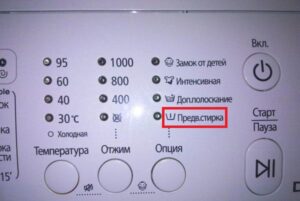 Modern washing machines offer users new modes and options that greatly simplify the cleaning process and improve cleaning results. One such program is a prewash, which allows you to soak items and remove stains more effectively. Afterward, the machine automatically switches to a standard cycle, rinsing and spinning the laundry. However, finding the "Prewash" icon on your washing machine isn't easy—it's not labeled. You'll first have to find the corresponding icon on the control panel and then set the cycle correctly.
Pre-wash pattern
On most washing machines, the "Prewash" setting isn't labeled on the dashboard, but rather indicated by a special graphic. Most often, this is a schematic representation of a basin with a vertical line inside. Sometimes, instead of a line, an Arabic or Roman numeral "1" is shown. In any case, the manufacturer will indicate something similar to one, since this mode is launched as the primary stage of cleaning things.
The “Pre-wash” mode is indicated by an image of a basin with a vertical stripe or the number “1”.
The prewash symbol is also displayed in the detergent drawer. This mode is assigned to a special compartment in the detergent drawer to ensure the machine has enough detergent for thorough cleaning. Typically, the medium-sized compartment on the left is marked with a bowl with a number 1. On some models, the letter "A" appears instead.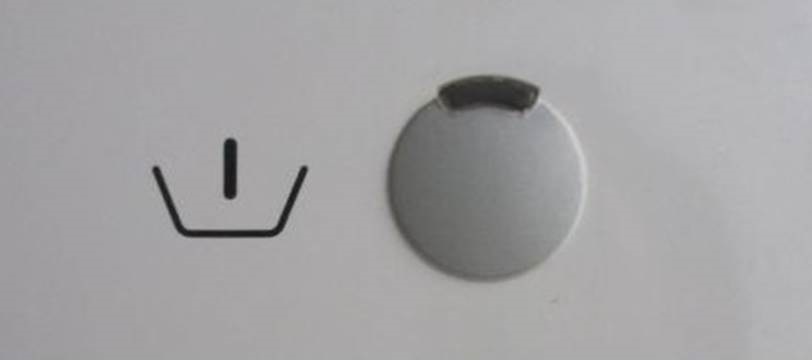
It's no coincidence that the manufacturer has a dedicated compartment in the detergent drawer. When the pre-wash cycle starts, the machine only draws detergent from this compartment. The detergent or gel is also rinsed from the main drawer, but only when switching from the primary wash cycle to the standard cycle.
What is this function?
Pre-wash has been a feature on washing machines for quite some time. It's not a useless feature that adds to the machine's cost. On the contrary, many users consider this program a key feature, as it's used frequently and significantly impacts the washing results.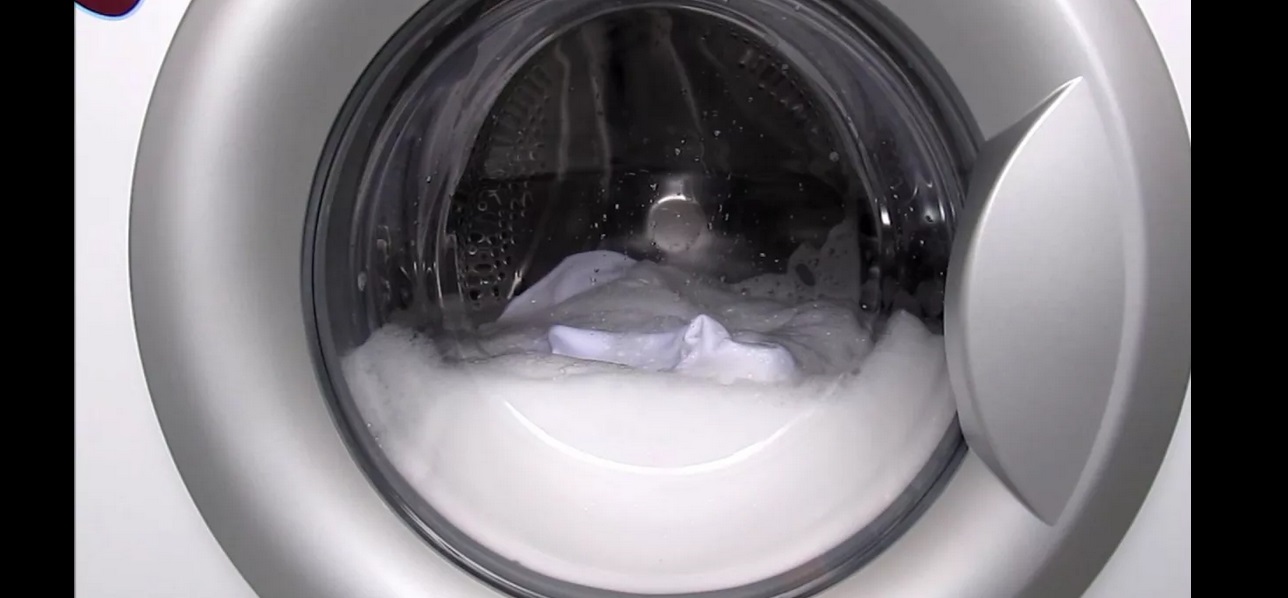
Pre-wash is as important as rinsing and spinning—without it, the washing machine won't remove stubborn stains. It works similarly to soaking laundry in a basin. It's no secret that leaving dirty items in a warm soapy solution for 20-120 minutes can achieve better stain removal.
Pre-wash is an automated and advanced soaking process with partial mechanical action on the laundry.
Pre-wash is the same as soaking, only improved and automated. When activated, the user doesn't need to prepare water, dissolve detergent, or scrub away stains. Simply load the laundry into the drum, add extra detergent to the special compartment marked "I" or "A," and activate the program. The washing machine then takes care of everything automatically:
- fill the tank with water;
- heats water to 30-90 degrees, depending on the settings specified by the user;
- dissolves the detergent in water, taking it from a special compartment of the powder receiver (the powder will remain untouched in the main wash bin);
- will begin to rotate the drum slowly, helping the detergent to reach the dirt in the fibers faster;
- will continue washing for the specified time;
- drain dirty water from the tank;
- will refill the drum and start the main wash cycle.
After the pre-wash cycle is complete, the main wash cycle will automatically begin: the previously selected cycle will begin, followed by a rinse and spin cycle. The washing machine will then continue washing as normal. Optionally, you can enable additional options, such as "Rinse Plus" or "Easy Iron."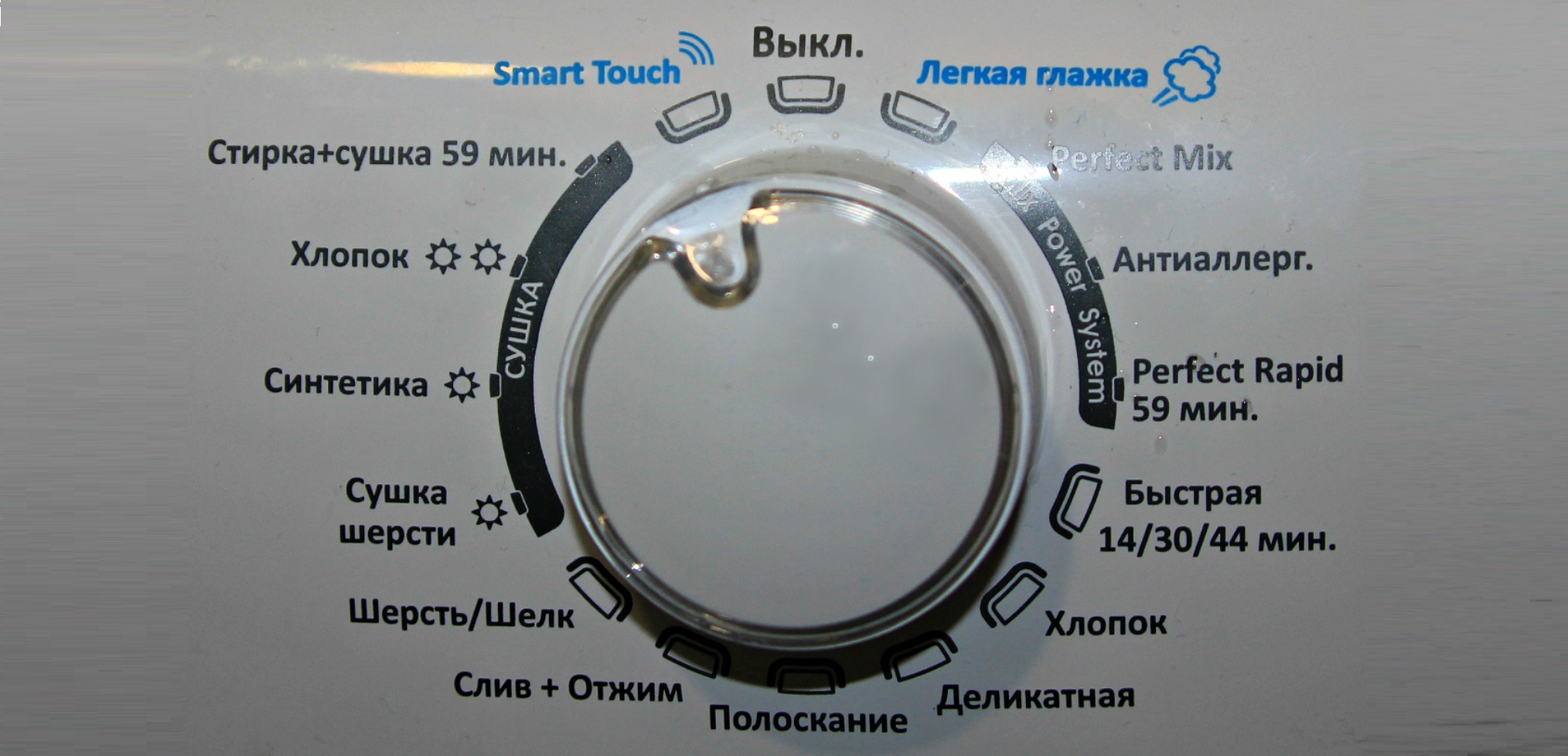
But pre-washing can't be completely equated with soaking. Unlike its "colleague," it's more high-tech: instead of keeping items static, they're constantly "mixed." As a result, the detergent penetrates the fibers faster, pushing dirt out of the fabric, making the laundry cleaner and softer.
Prepared items will wash better.
Despite a well-thought-out algorithm, prewashing may not remove stains. However, the fault lies not with the prewash cycle, but with the user, who hasn't prepared the laundry for cleaning. Some people mistakenly believe that simply sorting items by color is sufficient. In fact, it's recommended to follow far more rules regarding storing dirty clothes and loading them into the drum.
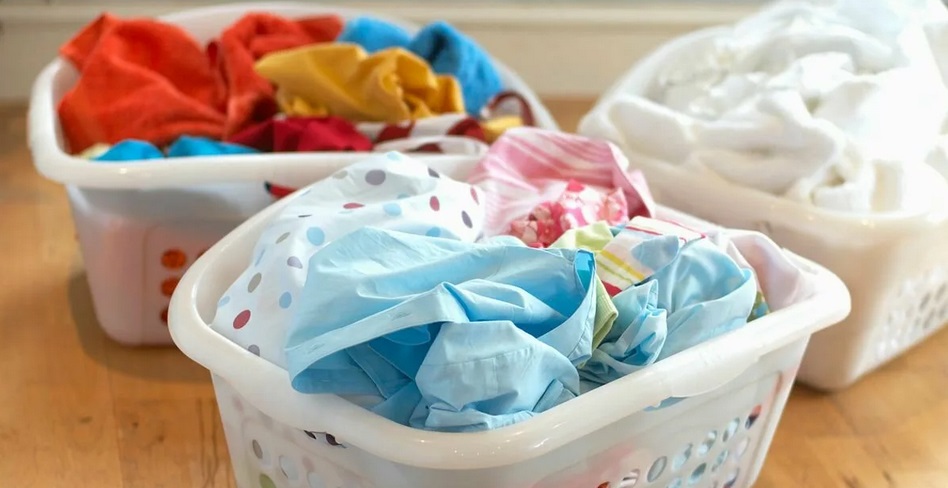
- Don't pile laundry together, especially if it's stained differently. Firstly, stains can transfer from one fabric to another. Secondly, close contact between faded colored and white items will result in staining of the other items.
- Don't store wet laundry. This can cause musty odors and mold.
- Don't put off washing. The first rule is to wash the stain as soon as possible. Old and deep stains take longer to remove and sometimes become permanently embedded in the fabric. Also, left-over laundry can harbor harmful "guests," such as mold, unpleasant odors, and even household insects. The optimal frequency for washing is at least once a week.
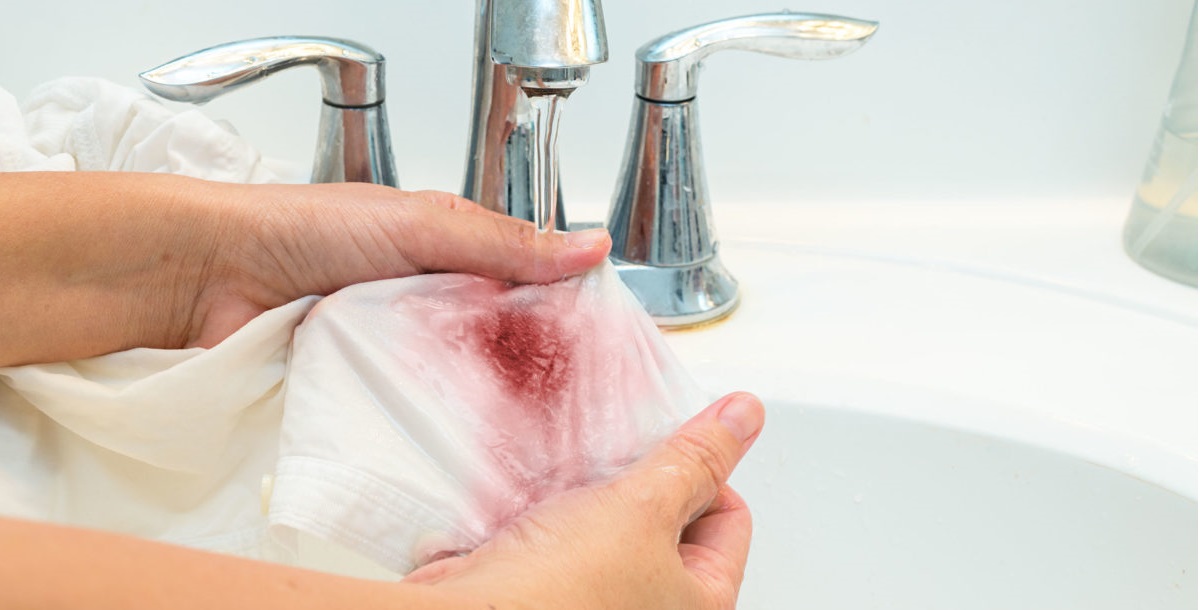
- Pre-treat the stain. It's recommended to soak fabrics with stubborn stains in a special solution, such as bleach or stain remover, before loading them into the machine. Modern washing machines allow you to pour detergents directly into the detergent dispenser, which has a separate compartment in the machine.
Be sure to check the pockets of items before loading them - debris left in them can clog the drain and jam the drum.
- Turn items inside out. When loading laundry into the drum, it's best to turn them inside out, close zippers, and button them. This is especially true for jackets, duvet covers, and pillowcases.
- Repair clothing. Before washing, it's important to sew loose buttons and trim. Otherwise, the situation will worsen as the drum spins: the part will fly off, jam the mechanism, and clog the drainage system.
- Sort your laundry. Not only by color, but also by fabric type and soil level.
- Wash shoes separately. Furthermore, it's recommended to place sneakers and ballet flats in special mesh laundry bags.
- Choose suitable cleaning products. These should be high-quality powders or gels with a gentle formula. Ideally, you should have separate gels at home for colored, white and black laundry, as well as for delicate fabrics.
- Empty your pockets. Be sure to check your belongings for forgotten items, keys, documents, and trash. Otherwise, there's a high risk of missing something or clogging the machine.
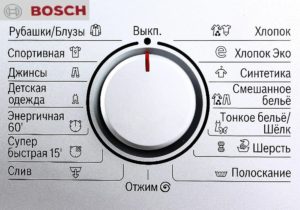
- Learn about your washing machine. Before turning it on, decipher the symbols on the control panel and read the operating instructions.
With proper preparation and loading, a prewash will help clean even the dirtiest laundry effortlessly. The key is to follow the instructions and not interfere with the manufacturer's preset routine.
Interesting:





Readers' comments
Headings
Washing machine repair




For buyers




For users


Dishwasher




Add a comment