
How to remove rust from a washing machine drum
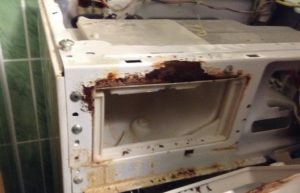
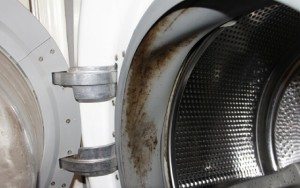
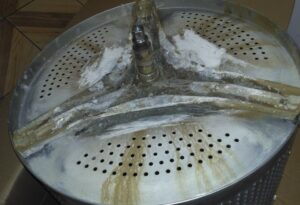 Some unscrupulous washing machine manufacturers use cheaper alloys instead of stainless steel, which has high nickel and chromium content. Constant contact with water causes corrosion, resulting in rust forming on the washing machine drum. If left untreated, the metal drum will become riddled with holes, requiring extensive and expensive repairs, or, in severe cases, a new washing machine. The resulting rust can also be removed at home.
Is it possible to clean rust at all?
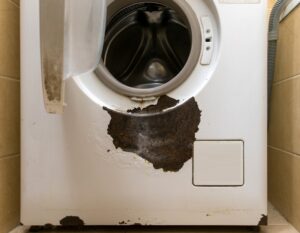
The question of what to do about rust is especially relevant in the initial stages of its development, as once the metal is peeling off the drum in chunks, cleaning it won't help. In this case, a complete replacement is required, which requires opening the tank. In some models, this is impossible: the tank is welded together, and if it is cut open to replace the drum, restoring its original integrity will be difficult. In this case, replacing the entire tank-drum assembly is recommended, which is a significant expense.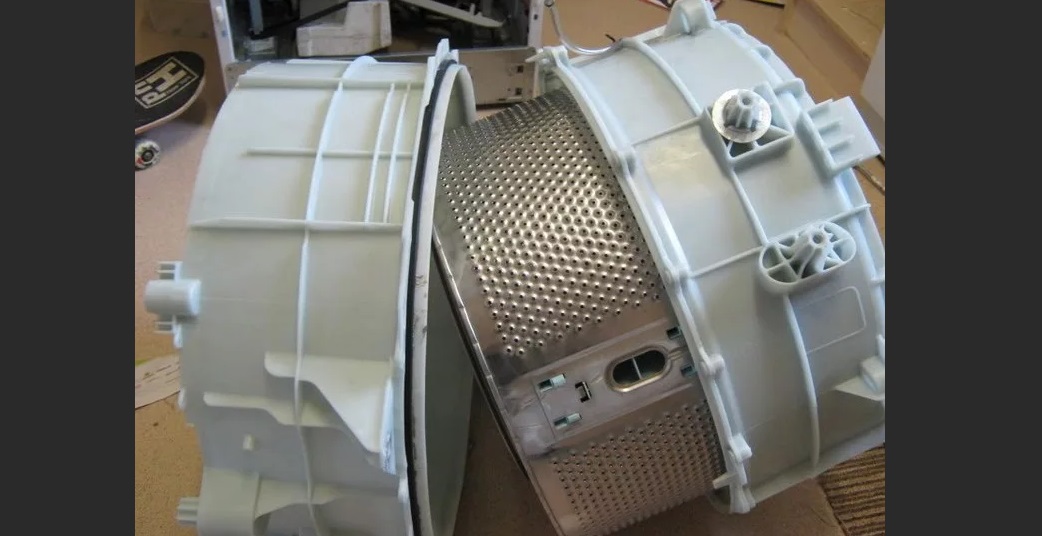
If rust has just appeared, it needs to be removed as quickly as possible. It is highly undesirable to use abrasive tools such as grinding wheels and sandpaper. They can cause more serious damage, as they leave scuffs and rough spots that are more susceptible to corrosion. A safer option is specialized household chemicals.
What chemicals can be used to safely remove rust from a drum?
No special preparation of the washing machine is required before cleaning, but please note that such liquids are very aggressive, so they must be applied carefully, only to damaged areas and only to metal surfaces.
Experts consider acid-based rust removers for cars to be a good choice.
The advantages of acid converters include repairing damage to metals of any thickness and the ability to work with liquid at both high and low temperatures. They are used to combat corrosion on car bodies and any metal components of household appliances.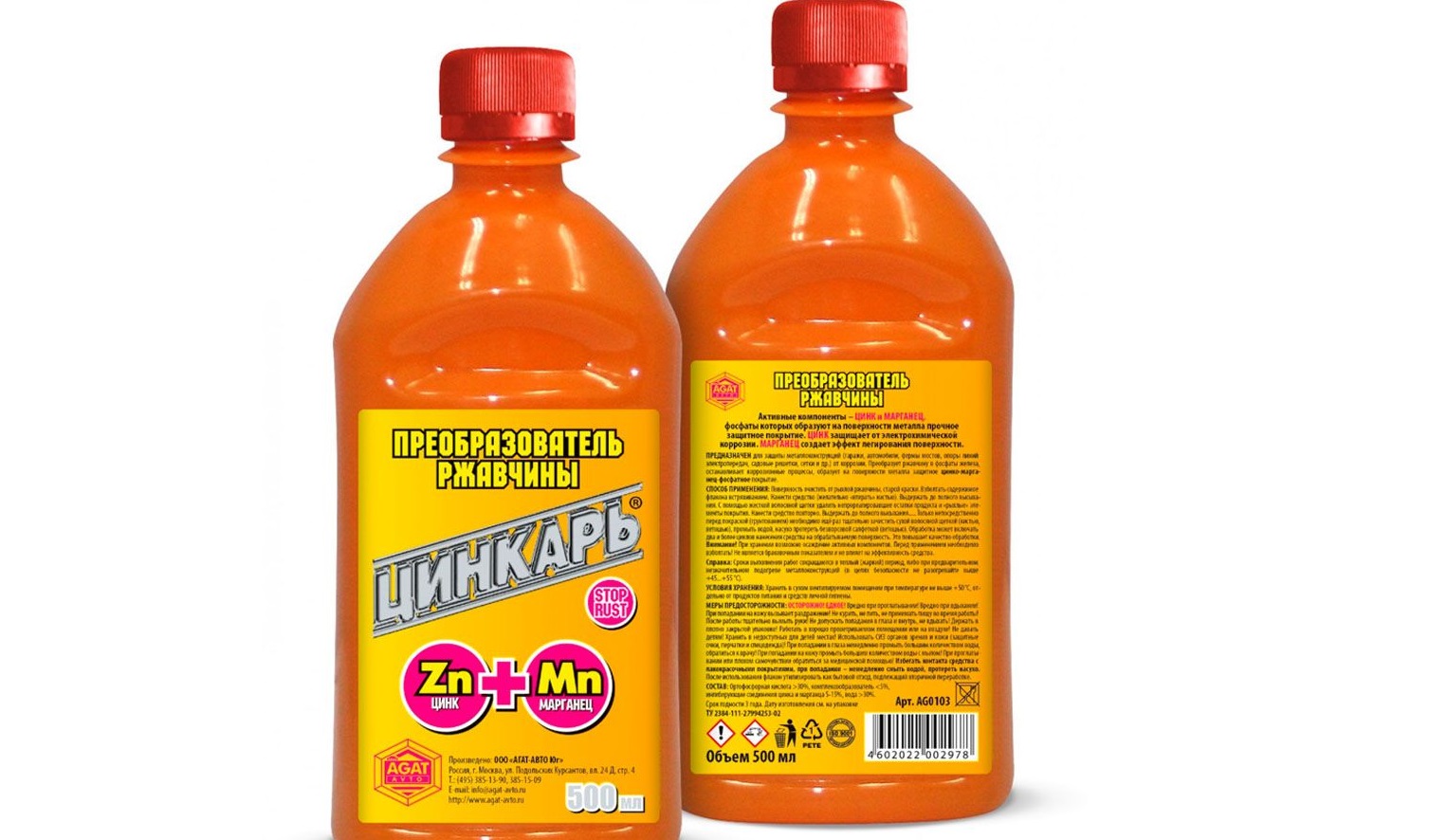
The main active ingredient in these products is acid—either orthophosphoric or oxycarboxylic. This acid is capable of breaking down the corrosion deposit and creating an invisible film that prevents rust from reappearing. For maximum effectiveness, it's recommended to apply the inhibitor to a dry surface. After the required time, the product should be rinsed off; otherwise, prolonged exposure to the acid will cause further damage to the metal.
The product should be applied locally, preferably with a thin brush or small roller to prevent the inhibitor from coming into contact with uncorroded areas. Personal protection should also be ensured. The following are mandatory:
- respirator;
- protective glasses;
- thick gloves.
It is advisable to carry out the treatment outdoors or in a well-ventilated room. Despite the inconvenience and danger of this rust removal method, it is the most effective, as dark stains disappear in seconds. Afterward, all that remains is to rinse off the remaining inhibitor with a cloth generously dampened with clean water.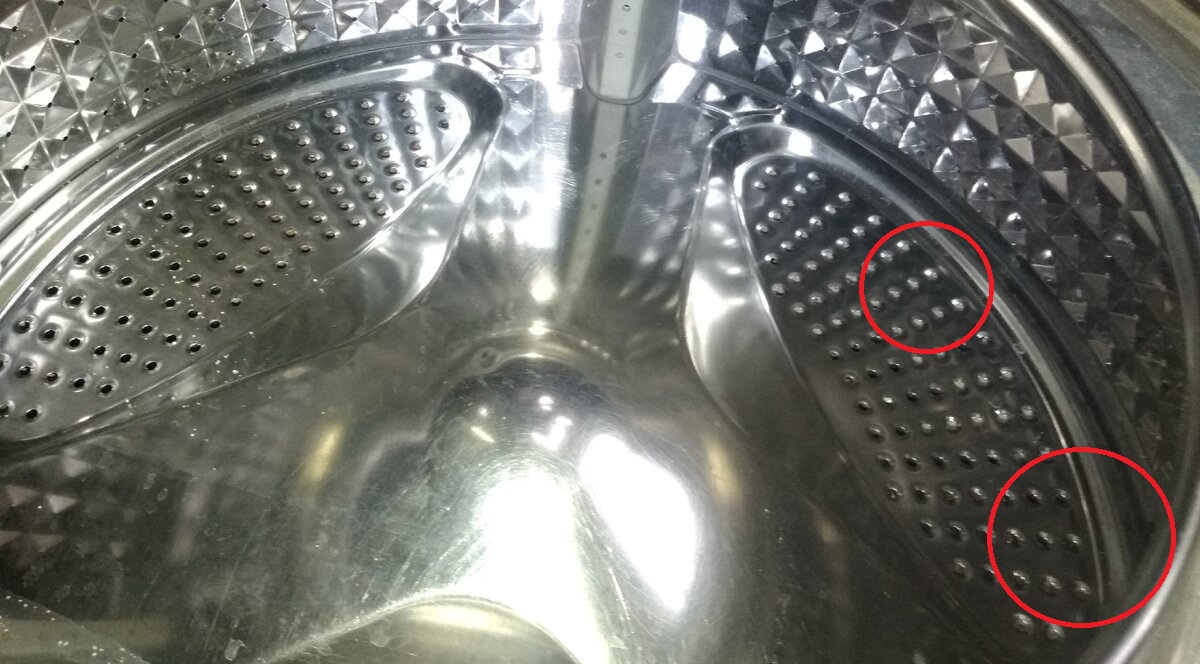
If desired, you can also try safer corrosion control products based on less aggressive ingredients. They are also easy to use but less toxic, as they contain zinc or tannin oxides instead of acid. They can be applied using any method, including spraying. A bonus: they turn the damaged area black, making it easy to identify which spots have been treated and which still need more treatment.
Interesting:
Readers' comments
Headings
Washing machine repair




For buyers




For users


Dishwasher




Add a comment